Sunshine Letters

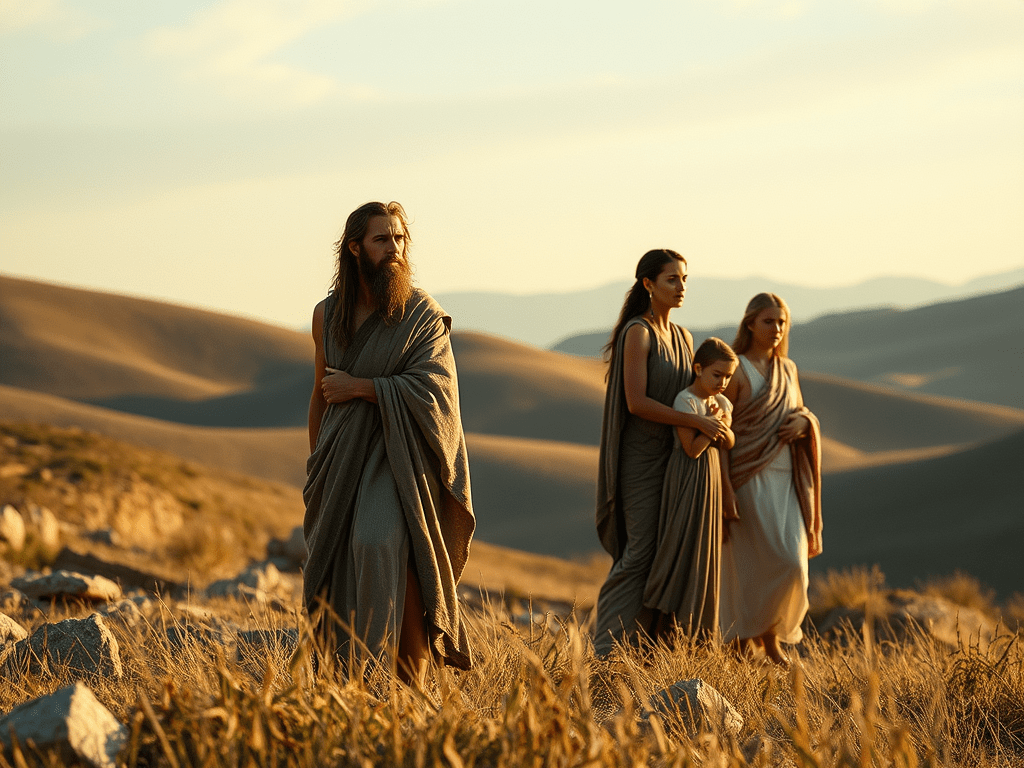
In the quaint little town of Meadowbrook, nestled between rolling hills and golden fields, life moved at a slower, simpler pace. But even the picturesque charm of the town couldn’t shield it from hardship. The local factory, the heart of Meadowbrook’s economy, had recently closed, and the town was cloaked in an air of gloom.

Twelve-year-old Clara watched this change unfold from the window of her small bedroom. She noticed her once-chatty neighbors walking with heads bowed, shopkeepers with weary smiles, and even her parents whispering worriedly at the kitchen table. The warmth of the town felt like it had been snuffed out, and it weighed heavily on Clara’s heart.

One gray morning, while rummaging through a box of old belongings in the attic, Clara found a stack of letters tied together with a faded yellow ribbon. The letters were from her grandmother, who had passed away the previous year, addressed to Clara’s mother during her college years.

As Clara read through them, she felt something she hadn’t felt in weeks—a spark of hope. Each letter was filled with words of encouragement, funny anecdotes, and little doodles that made her smile. Her grandmother had called them her “Sunshine Letters” because they were meant to brighten dark days.

Clara had an idea.

That night, armed with colorful stationery and her favorite pens, she began writing her own Sunshine Letters. She crafted messages like, “You’re stronger than you think!” and “A tough day is just a stepping stone to a brighter tomorrow!” She added little drawings of flowers, sunshine, and animals to make them cheerful. She signed each one, “A friend who cares.”

The next morning, Clara slipped out of the house early and began leaving the letters in unexpected places: tucked under windshield wipers, slipped into mailboxes, and taped to shop windows.

At first, she wasn’t sure if anyone would even notice. But by the end of the week, the letters had started to work their magic.

Mrs. Benson, the florist, found a letter on her shop door and put it in her display window with a sign that read, “Whoever you are, thank you!” Mr. Grady, the retired school principal, received one in his mailbox and read it aloud at the diner, declaring it “the best surprise I’ve had in years.” People began sharing their letters with neighbors, displaying them on fridges, and even passing them along to others.

Curiosity about the mysterious writer grew. Meadowbrook’s newspaper ran a front-page story titled, “Who’s Behind the Sunshine Letters?” Townsfolk began calling them “the little rays of hope” that were bringing Meadowbrook back to life.

Clara remained anonymous, but she noticed the change. The postman smiled again. The grocer hummed while stocking shelves. Her parents’ whispers at the kitchen table became conversations filled with laughter.

One evening, Clara’s mother came home with a Sunshine Letter she had found at work. “Whoever is doing this,” she said, holding the letter to her chest, “they’ve reminded me that there’s still good in the world.”

Clara’s heart swelled with pride, but she just smiled and said, “I think they’re pretty special too.”

As weeks turned into months, the factory reopened, and the town’s economy began to recover. But the spirit of the Sunshine Letters remained. People started writing their own notes of encouragement and passing them on. Acts of kindness multiplied, turning Meadowbrook into a town not just of golden fields but golden hearts.

Clara kept her secret, content knowing she had sparked something bigger than herself. One evening, as she slipped another letter into a neighbor’s mailbox, she looked up at the stars and whispered, “Thank you, Grandma. Your Sunshine Letters worked wonders, just like you said they would.”

The Christmas Carnival

The little town of Evergreen was known for its annual Christmas Carnival—a magical event that transformed the town square into a winter wonderland. For decades, it had brought joy to generations, with its twinkling lights, carolers, and a towering Christmas tree at the center of it all. But this year was different.

A storm had swept through the town weeks before, leaving damaged buildings, fallen trees, and a spirit of despair in its wake. The town council, overwhelmed with repairs and a dwindling budget, announced that the Christmas Carnival would be canceled.

When nine-year-old Ellie heard the news, she refused to accept it. The Christmas Carnival wasn’t just an event to her—it was where her parents had met, where her grandpa always read the Christmas story to kids, and where she’d learned to ice skate. It was the heartbeat of Evergreen.

Ellie decided to take matters into her own hands. Armed with her notebook, she marched into her fifth-grade classroom the next day and declared, “We’re saving the Christmas Carnival!”

Her classmates buzzed with excitement, and soon they were brainstorming ideas. Some offered to bake cookies to sell, while others suggested using their allowance to buy decorations. Ellie’s teacher, Mrs. Grant, overheard the chatter and decided to help. She sent letters home to parents, explaining the kids’ plan, and before long, the entire school was on board.

News of Ellie’s mission spread like wildfire. Local businesses donated materials, volunteers gathered to clear debris from the square, and the high school drama club offered to put on a holiday play. The fire department even agreed to set up the Christmas tree—provided someone could find one.

Ellie had an idea. She remembered an old pine tree on her grandparents’ farm, one her grandpa had always called “the perfect Christmas tree.” She rushed to ask him if they could use it.

Her grandpa chuckled. “I planted that tree when your mom was born,” he said. “It’s been waiting for a moment like this.”

With tears in her eyes, Ellie watched as the fire department carefully cut down the tree and transported it to the town square. Once it was set up, the kids decorated it with handmade ornaments, popcorn strings, and ribbons.

Finally, the night of the carnival arrived. The square sparkled with lights, laughter echoed in the air, and the scent of hot cocoa filled the streets. Ellie’s grandpa read the Christmas story as planned, and a choir of carolers led the town in singing “Silent Night.”

When Santa arrived in his sleigh—actually the town’s fire truck decorated with tinsel—the crowd erupted in cheers. Ellie stood beside her parents, watching it all unfold. For the first time in weeks, Evergreen felt alive again.

As the night drew to a close, the mayor took the stage. “This carnival almost didn’t happen,” she said, her voice filled with emotion. “But thanks to Ellie and all of you, we’ve proven that the spirit of Christmas is stronger than any storm.”

The crowd roared with applause, and Ellie felt her cheeks flush. She didn’t do it alone, she thought. This was everyone’s Christmas Carnival.

As snow began to fall gently, Ellie looked up at the towering Christmas tree, its lights twinkling against the night sky. She whispered to herself, “This is the best Christmas ever.”

Lessons from a Monk: The Path to Peace

A weary traveler, known for his restless spirit, came across a monastery perched atop a serene mountain. Seeking guidance, he approached the monk who was meditating in the courtyard.

“Master,” the traveler began, “I’ve journeyed across lands, seas, and skies, yet I feel no peace. My heart is heavy, and my mind is a storm. Please, show me the way.”

The monk, with a calm demeanor, studied the traveler and replied, “Stay here for fifteen days. Do as I say, and you shall find the peace you seek.”

Reluctantly, the traveler agreed. On the first day, the monk handed him a broom and directed him to sweep the monastery grounds. “Focus on each stroke,” the monk said. “Let the broom carry your thoughts away.”

Each day, the monk gave him simple tasks: cleaning the garden, lighting lamps, fetching water, or preparing meals. The traveler found the tasks mundane, but he obeyed, all the while yearning for a grand revelation.

On the seventh day, the monk gave him a cup and asked him to fill it with water from the mountain stream. “Carry it back without spilling a drop,” he instructed.

The path was steep and uneven, but the traveler concentrated. Step by step, he brought the cup back to the monk, the water intact.

“You’ve learned focus,” the monk said with a faint smile. “But your heart still carries burdens.”

Over the next days, the monk asked the traveler to sit and observe the sunrise, the rustling leaves, and the quiet stars. The traveler began to notice things he’d overlooked before: the warmth of the sun on his face, the melody of the wind, and the vastness of the night sky.

On the fifteenth day, the monk approached him as he meditated by the stream. “Your time here is complete. Tell me, traveler, what have you learned?”

The traveler, once restless, now spoke with calm clarity. “I have learned that peace is not something to chase. It is found in the present moment, in the simplest of tasks and the quietest of places.”

The monk nodded. “Go now, and carry this lesson with you. Wherever you travel, remember: the journey to peace begins within.”

The traveler bowed deeply and descended the mountain. Though he continued to wander, his heart was no longer heavy, for he had found what he had been searching for all along.

The Cycle of Strength: Hard Times Build Resilience

“Hard times create strong men. Strong men create good times. Good times create weak men. Weak men create hard times.”

This phrase emphasizes the cyclical nature of human history. It highlights the relationship between challenges and the strength of individuals in society.

The saying illustrates a cyclical view of history. Difficult periods lead to the emergence of strong, resilient individuals. These individuals then create prosperous, stable times. But these prosperous times can lead to a decline in resilience. This decline in strength eventually results in a new cycle of challenges.

Hard Times Create Strong Men

    • Struggles and difficulties develop strength, resilience, and strong leadership.
    • People become resourceful and capable in the face of adversity.

    Strong Men Create Good Times

      • Resilient individuals use their strength to build a stable, prosperous society.
      • Progress, safety, and comfort become prevalent due to their efforts.

      Good Times Create Weak Men

        • Comfort and ease lead to complacency and a loss of resilience.
        • People become less prepared to handle adversity.

        Weak Men Create Hard Times

          • The lack of strength and preparedness causes society to become vulnerable to crises.
          • New challenges and struggles emerge, restarting the cycle.

          Trump’s Victory: Celebrations and Future Challenges

          The recent presidential election has resulted in Donald Trump’s victory, leading to celebrations among his supporters. However, the aftermath of the election has been marked by significant developments and challenges.

          Initial Celebrations

          Donald Trump secured a commanding victory over Vice President Kamala Harris, achieving what many considered an unlikely political comeback[4]. The election night was marked by jubilant scenes at Mar-a-Lago, where Trump and his allies gathered to celebrate[4]. The atmosphere was one of triumph, with Trump declaring it a day when “the American people regained control of their country”[4].

          Voter Shifts and Political Landscape

          Trump’s victory revealed significant shifts in the American electorate:

          • Improved Republican margins across the nation
          • Increased support from non-White voters, particularly among Latino communities
          • Gains in both urban and rural areas

          These changes have posed substantial challenges for the Democratic Party, fracturing their national coalition[3].

          Trump’s Post-Election Mindset

          Following his win, Trump has been described as buoyant and optimistic:

          • He feels empowered by his popular vote victory, which he sees as a mandate for his agenda
          • Trump has been engaging with global leaders, top advisors, and his transition team
          • He has appointed Susie Wiles as his White House chief of staff
          • The president-elect has expressed amazement at the positive reactions from foreign leaders[5]

          Emerging Challenges

          Despite the initial euphoria, several issues have begun to surface:

          1. Legal Concerns: Trump still faces numerous legal challenges, including four indictments and 34 felony convictions. He has also been found liable for sexual abuse and faces potential fines exceeding half a billion dollars[4].
          2. Security Concerns: A recent assassination attempt has led to increased security measures, with Trump refraining from his usual golfing activities[5].
          3. Political Divisions: While Trump’s victory was decisive, the country remains deeply divided, with Democrats entering a period of introspection[3].
          4. Transition Challenges: The transition process is underway, with Trump’s team working to staff his administration. However, the process of handing over power from the current administration may present its own set of challenges[5].

          Looking Ahead

          As Trump prepares to return to the White House, he faces the task of implementing his campaign promises while navigating a complex political and legal landscape. His popular vote win has bolstered his confidence, but the coming months will likely test his administration’s ability to govern effectively in the face of ongoing controversies and opposition[5].

          Citations:
          [1] https://www.scmp.com/magazines/style/entertainment/article/3286755/who-wayne-gretzkys-trump-supporting-wife-janet-jones-gretzky-police-academy-5-actress-celebrated
          [2] https://www.newyorker.com/news/dispatch/donald-trumps-west-palm-beach-victory-celebration
          [3] https://www.cnn.com/2024/11/10/politics/trump-voter-shifts-nationwide/index.html
          [4] https://apnews.com/article/trump-victory-harris-dd64fe5fac158025058a45f21388a6b2
          [5] https://www.cnn.com/2024/11/07/politics/donald-trump-mindset/index.html

          Key Proposals of Agenda 47 Explained

          Agenda 47 is Donald Trump’s comprehensive policy platform for his 2024 presidential campaign, outlining his proposed actions and priorities if elected as the 47th President of the United States[1]. Here are the key aspects of Agenda 47:

          ## Overview

          Agenda 47 is presented on Trump’s campaign website as a series of videos featuring Trump himself explaining each proposal[1]. The platform covers a wide range of policy areas and is designed to appeal to Republican primary voters and Trump’s base[1].

          ## Key Policy Proposals

          Some of the main policy proposals included in Agenda 47 are:

          1. **Immigration and Border Security**:
             – Sealing the border and stopping what Trump calls a “migrant invasion”
             – Carrying out the largest deportation operation in American history[5]

          2. **Economy and Energy**:
             – Ending inflation and making America “affordable again”
             – Making the U.S. the dominant energy producer in the world
             – Implementing large tax cuts for workers and eliminating tax on tips[5]

          3. **Education**:
             – Focusing on “Knowledge and Skills, Not CRT and Gender Indoctrination”
             – Removing what Trump calls the “left’s ‘equity’ agenda” from classrooms
             – Reinstating the 1776 Commission[1]

          4. **Government Reform**:
             – Cutting federal regulations
             – Implementing a regulatory budget to reduce the federal government annually
             – Bringing independent regulatory agencies under Presidential authority[1]

          5. **Constitutional Rights**:
             – Defending the Constitution, Bill of Rights, and fundamental freedoms
             – Protecting freedom of speech, religion, and the right to bear arms[5]

          6. **Foreign Policy and National Security**:
             – Preventing World War III and restoring peace in Europe and the Middle East
             – Building a missile defense shield over the entire country[5]

          ## Implementation and Criticism

          Many of Agenda 47’s proposals would rely on executive orders and expanded executive power[1]. Some of the plans are legally controversial and may require constitutional amendments[1]. Critics have raised concerns about the platform’s approach to climate change, public health, and its potential impact on inflation[1].

          It’s worth noting that while Agenda 47 is Trump’s official campaign platform, it shares many themes and policies with Project 2025, a separate initiative by the Heritage Foundation that aligns closely with Trump’s vision[4].

          Citations:
          [1] Agenda 47 https://en.wikipedia.org/wiki/Agenda_47
          [2] Agenda 47 vs. Project 2025: Trump’s Bold Plan for … – YouTube https://www.youtube.com/watch?v=cwYpnE748MA
          [3] Trump’s Agenda 47 — What It Means for Democracy https://www.democracydocket.com/analysis/trumps-agenda-47-and-what-it-means-for-democracy/
          [4] What to Know About Donald Trump’s Agenda 47, and Project 2025 https://www.harpersbazaar.com/culture/politics/a62830793/donald-trump-agenda-47-project-2025-explained/
          [5] Platform | Donald J. Trump https://www.donaldjtrump.com/platform

          Role of CCR5-Δ32 Mutation in HIV Research and Treatment

          The CCR5-Δ32 mutation indeed plays a significant role in conferring resistance to HIV infection, but it’s important to note that it does not provide complete immunity. This genetic mutation has garnered considerable attention in the field of HIV research and treatment due to its protective effects against certain strains of HIV.

          Understanding CCR5-Δ32 Mutation

          The CCR5-Δ32 mutation is a genetic alteration that affects the CCR5 gene, which codes for a protein on the surface of white blood cells. This protein, known as the CCR5 receptor, is one of the primary entry points for HIV to infect cells.

          Mechanism of Protection

          The mutation results in a shortened, non-functional CCR5 protein that is not expressed on the cell surface. Without this receptor, certain strains of HIV (specifically, R5-tropic HIV strains) cannot effectively bind to and enter the cell, thus providing a level of protection against infection.

          Degree of Protection

          It’s crucial to understand that the level of protection provided by the CCR5-Δ32 mutation depends on whether an individual has inherited one or two copies of the mutated gene:

          1. Heterozygous Carriers: Individuals with one copy of the CCR5-Δ32 mutation (heterozygous) have some protection against HIV infection and may experience slower disease progression if infected.
          2. Homozygous Carriers: Those who inherit two copies of the mutation (homozygous) have significantly increased resistance to HIV infection. However, it’s important to note that even homozygous individuals are not completely immune to all strains of HIV.

          Limitations of Protection

          While the CCR5-Δ32 mutation provides substantial protection against R5-tropic HIV strains, it does not confer immunity against all types of HIV:

          • Some HIV strains can use alternative co-receptors, such as CXCR4, to enter cells.
          • Certain HIV subtypes, particularly those prevalent in Africa and Asia, may be less affected by this mutation.

          Prevalence and Evolutionary Significance

          The CCR5-Δ32 mutation is most common in populations of European descent, with approximately 10% of Europeans carrying one copy of the mutation and about 1% being homozygous. The high frequency of this mutation in certain populations has led to speculation about its evolutionary origins and potential selective advantages in the past, possibly related to protection against other historical diseases.

          Implications for HIV Treatment and Research

          The discovery of the CCR5-Δ32 mutation has had significant implications for HIV research and treatment strategies:

          • It has inspired the development of CCR5 antagonists, a class of antiretroviral drugs that block the CCR5 receptor.
          • The mutation has been the basis for experimental gene therapy approaches aimed at mimicking its protective effects.
          • The case of the “Berlin Patient,” who was effectively cured of HIV after receiving a stem cell transplant from a donor with the homozygous CCR5-Δ32 mutation, has further highlighted the potential of targeting the CCR5 receptor in HIV treatment.

          In conclusion, while the CCR5-Δ32 mutation does provide significant protection against certain strains of HIV, it’s more accurate to describe it as conferring resistance rather than complete immunity. The mutation’s role in HIV resistance continues to be an important area of study in the ongoing efforts to combat the global HIV epidemic.The CCR5-Δ32 mutation indeed plays a significant role in conferring resistance to HIV infection, but it’s important to note that it does not provide complete immunity. This genetic mutation has garnered considerable attention in the field of HIV research and treatment due to its protective effects against certain strains of HIV.

          Understanding CCR5-Δ32 Mutation

          The CCR5-Δ32 mutation is a genetic alteration that affects the CCR5 gene, which codes for a protein on the surface of white blood cells. This protein, known as the CCR5 receptor, is one of the primary entry points for HIV to infect cells.

          Mechanism of Protection

          The mutation results in a shortened, non-functional CCR5 protein that is not expressed on the cell surface. Without this receptor, certain strains of HIV (specifically, R5-tropic HIV strains) cannot effectively bind to and enter the cell, thus providing a level of protection against infection.

          Degree of Protection

          It’s crucial to understand that the level of protection provided by the CCR5-Δ32 mutation depends on whether an individual has inherited one or two copies of the mutated gene:

          1. Heterozygous Carriers: Individuals with one copy of the CCR5-Δ32 mutation (heterozygous) have some protection against HIV infection and may experience slower disease progression if infected.
          2. Homozygous Carriers: Those who inherit two copies of the mutation (homozygous) have significantly increased resistance to HIV infection. However, it’s important to note that even homozygous individuals are not completely immune to all strains of HIV.

          Limitations of Protection

          While the CCR5-Δ32 mutation provides substantial protection against R5-tropic HIV strains, it does not confer immunity against all types of HIV:

          • Some HIV strains can use alternative co-receptors, such as CXCR4, to enter cells.
          • Certain HIV subtypes, particularly those prevalent in Africa and Asia, may be less affected by this mutation.

          Prevalence and Evolutionary Significance

          The CCR5-Δ32 mutation is most common in populations of European descent, with approximately 10% of Europeans carrying one copy of the mutation and about 1% being homozygous. The high frequency of this mutation in certain populations has led to speculation about its evolutionary origins and potential selective advantages in the past, possibly related to protection against other historical diseases.

          Implications for HIV Treatment and Research

          The discovery of the CCR5-Δ32 mutation has had significant implications for HIV research and treatment strategies:

          • It has inspired the development of CCR5 antagonists, a class of antiretroviral drugs that block the CCR5 receptor.
          • The mutation has been the basis for experimental gene therapy approaches aimed at mimicking its protective effects.
          • The case of the “Berlin Patient,” who was effectively cured of HIV after receiving a stem cell transplant from a donor with the homozygous CCR5-Δ32 mutation, has further highlighted the potential of targeting the CCR5 receptor in HIV treatment.

          While the CCR5-Δ32 mutation does provide significant protection against certain strains of HIV, it’s more accurate to describe it as conferring resistance rather than complete immunity. The mutation’s role in HIV resistance continues to be an important area of study in the ongoing efforts to combat the global HIV epidemic.

          There are other genetic mutations that have been identified to provide varying degrees of resistance or protection against HIV infection. While the CCR5-Δ32 mutation is the most well-known and studied, several other genetic variants have been found to influence HIV susceptibility and disease progression. Here are some notable examples:

          CCR2-64I Mutation

          The CCR2-64I mutation affects the CCR2 gene, which codes for another chemokine receptor.

          • Mechanism: This mutation results in a valine to isoleucine substitution at position 64 of the CCR2 protein.
          • Effect: It is associated with slower HIV disease progression, although its protective effect is not as strong as CCR5-Δ32.

          SDF1-3’A Mutation

          This mutation occurs in the gene encoding SDF-1 (Stromal Cell-Derived Factor 1), also known as CXCL12, which is the natural ligand for the CXCR4 co-receptor.

          • Mechanism: The mutation is located in the 3′ untranslated region of the SDF1 gene.
          • Effect: Homozygous carriers of this mutation show delayed progression to AIDS, particularly in the later stages of HIV infection.

          CCL3L1 Gene Copy Number Variation

          CCL3L1 is a gene that encodes MIP-1α, a natural ligand of CCR5.

          • Mechanism: Some individuals have multiple copies of this gene.
          • Effect: A higher copy number of CCL3L1 is associated with lower susceptibility to HIV infection and slower progression to AIDS.

          HLA-B57 and HLA-B27 Alleles

          These are specific variants of Human Leukocyte Antigen (HLA) genes, which play a crucial role in the immune system’s ability to recognize and respond to pathogens.

          • Mechanism: These HLA variants affect how the immune system presents HIV antigens to T cells.
          • Effect: Individuals with these alleles often exhibit better control of HIV infection and slower disease progression.

          TRIM5α Variants

          TRIM5α is a protein that interferes with the uncoating of the HIV capsid after entry into the cell.

          • Mechanism: Certain variants of TRIM5α are more effective at restricting HIV replication.
          • Effect: While human TRIM5α generally has weak anti-HIV activity, some variants have been associated with lower susceptibility to HIV infection.

          APOBEC3G and APOBEC3F Variants

          These genes encode cytidine deaminases that can introduce mutations into the HIV genome during reverse transcription.

          • Mechanism: Certain variants of these genes may be more effective at inhibiting HIV replication.
          • Effect: Some studies have suggested that specific variants of APOBEC3G and APOBEC3F may confer some level of protection against HIV infection or influence disease progression.

          Conclusion

          While these genetic factors provide varying degrees of protection or influence disease progression, it’s important to note that none of them confer complete immunity to HIV. The interplay between host genetics and HIV infection is complex and multifaceted. Understanding these genetic factors not only provides insights into natural resistance mechanisms but also informs potential strategies for HIV prevention and treatment.

          Research in this area is ongoing, and new genetic factors influencing HIV susceptibility and progression continue to be discovered. These findings contribute to our understanding of HIV pathogenesis and may lead to novel therapeutic approaches in the future.


          Why CCR5-Δ32 Mutation is Key to HIV Immunity

          There’s compelling evidence that certain immunity to HIV may be linked to a genetic mutation known as CCR5-Δ32. This mutation likely emerged in response to historical plagues, possibly the bubonic plague or smallpox. This mutation involves a deletion in the CCR5 gene. This gene codes for a receptor on the surface of white blood cells. HIV uses this receptor to enter and infect cells. People with two copies of this mutation, one from each parent, are highly resistant to HIV infection. The virus cannot enter their cells.

          Here’s how it connects to ancient plagues:

          1. High Frequency in Europe: The CCR5-Δ32 mutation is notably common among people of European descent, where it appears in about 10% of the population. It’s much rarer or nearly absent in other populations, which aligns with the geographic impact of historic plagues in Europe, especially the bubonic plague and smallpox, both of which ravaged Europe for centuries.
          2. Selective Pressure from Historical Pandemics: The high prevalence of CCR5-Δ32 in Europe suggests it was positively selected. Researchers theorize that during the bubonic plague or smallpox epidemics, individuals with this mutation had a survival advantage, as these diseases may have also used the CCR5 receptor pathway.
          3. Protection Against HIV: The mutation’s relevance to HIV immunity was discovered later. People with two copies of CCR5-Δ32 are almost entirely immune to HIV infection, while those with one copy may have a delayed progression if infected. This suggests that the mutation, originally advantageous against historic pathogens, inadvertently protects against HIV.

          While it’s uncertain if CCR5-Δ32 specifically evolved in response to the bubonic plague or other pandemics, it’s clear that the mutation has roots in an ancestral selection pressure, likely due to a severe, recurrent epidemic.

          Biblical Examples of Polygamy: Key Figures and Their Stories

          There are several examples of polygamy in the Bible, particularly in the Old Testament. Some notable figures who had multiple wives include:

          1. Lamech (Genesis 4:19): The first mention of polygamy in the Bible. Lamech, a descendant of Cain, had two wives, Adah and Zillah.
          2. Abraham (Genesis 16; 25:1-6): While his primary wife was Sarah, Abraham also took Hagar, Sarah’s maid, as a secondary wife (or concubine) to bear a child, Ishmael. After Sarah’s death, Abraham married Keturah, who bore him more children.
          3. Jacob (Genesis 29-30): Jacob had two wives, Leah and Rachel, who were sisters. He also had children with their maidservants, Bilhah and Zilpah, making him the father of the twelve tribes of Israel.
          4. Esau (Genesis 26:34; 28:9; 36:2-3): Esau had multiple wives, including Judith, Basemath, and Mahalath.
          5. Elkanah (1 Samuel 1): Elkanah had two wives, Hannah and Peninnah. The story of Hannah’s longing for a child is central to this narrative, leading to the birth of the prophet Samuel.
          6. David (2 Samuel 3:2-5; 5:13): King David had multiple wives, including Michal, Abigail, and Bathsheba. He also took more wives and concubines after becoming king in Jerusalem.
          7. Solomon (1 Kings 11:1-3): Perhaps the most famous example of polygamy, King Solomon had 700 wives and 300 concubines. His many marriages, especially to foreign women, were said to lead him away from his devotion to God.

          These instances reflect cultural norms of ancient times. They are described rather than explicitly condoned or condemned in most biblical texts. Polygamy became less prevalent and eventually fell out of favor in later Jewish and Christian traditions.

          The examples of polygamy in the Bible reflect the social and cultural norms of the times. They are not an endorsement or explicit acceptance of the practice. Polygamy was relatively common in ancient Near Eastern societies. However, the biblical text does not uniformly present it in a positive light. Here are a few considerations:

          1. Descriptive vs. Prescriptive: The Bible often describes practices without explicitly approving or condemning them. The instances of polygamy in the Bible are mainly descriptive. While God does not always directly rebuke these practices, neither does He establish them as the ideal. For example, the stories of Abraham, Jacob, David, and Solomon show that having multiple wives often led to conflict, jealousy, and other complications.
          2. Negative Outcomes:
          • Abraham: The union with Hagar, Sarah’s maidservant, led to significant tension between Sarah and Hagar (Genesis 16). Later, there were conflicts between Ishmael (Hagar’s son) and Isaac (Sarah’s son), which had long-term implications for their descendants.
          • Jacob: Jacob’s marriages to Leah and Rachel caused deep rivalry between the sisters, leading to envy and competition (Genesis 29-30).
          • David: David’s multiple marriages led to family disputes and tragic events, including issues of succession, rebellion, and internal strife (2 Samuel 13-18).
          • Solomon: Solomon’s many marriages, particularly to foreign women, are explicitly criticized in 1 Kings 11:1-13, as they led him to idolatry and a turning away from God.
          1. Biblical Ideal of Marriage: The creation narrative in Genesis 2:24 speaks of a man leaving his parents to unite with his wife, and “they shall become one flesh.” This verse, along with Jesus’ teachings in the New Testament (Matthew 19:4-6; Mark 10:6-9), suggests a model of monogamous marriage. The emphasis on “one flesh” implies an ideal of unity that is consistent with monogamy.
          2. New Testament Perspective: By the time of the New Testament, monogamy had become the expected norm among Jewish communities. In Christian teachings, leaders in the church, such as bishops and deacons, were explicitly instructed to be “the husband of one wife” (1 Timothy 3:2, 12; Titus 1:6). This further supports the shift toward monogamy as the standard.

          The Old Testament includes numerous examples of polygamy. These narratives often highlight the problems and complexities that arise from such arrangements. The portrayal of an original design of monogamous marriage suggests that polygamy is tolerated in some cases. The New Testament’s emphasis on monogamy suggests that polygamy is not promoted as an ideal.

          The Bible does not explicitly promote polygamy as an ideal. However, there are aspects of the Old Testament that can be interpreted as tolerating or accommodating the practice. This reflects the cultural norms of ancient times. Here are a few points that could be seen as indirectly supporting polygamy:

          1. Laws Regulating Polygamy:
          • The Mosaic Law includes regulations that address situations involving multiple wives, which implies a recognition and allowance of polygamy. For example, Deuteronomy 21:15-17 provides rules about inheritance for children from different wives, ensuring that the rights of the firstborn son are respected even if he is the son of a less-favored wife. This law seeks to protect family order and justice within a polygamous setting rather than forbidding the practice.
          • Deuteronomy 25:5-10 describes the practice of “levirate marriage,” where a man is required to marry his deceased brother’s widow if she has no children. This could lead to a man having more than one wife if he was already married, though the primary goal was to preserve the family line.
          1. God’s Provision for Polygamous Families:
          • God’s interactions with polygamous figures like Abraham, Jacob, David, and Solomon can be seen as accommodating polygamous relationships. Despite the problems that sometimes arose, God continued to work through these individuals, and they were still part of God’s covenant promises.
          • For example, God promised Abraham that he would be the father of many nations, which included the descendants of both Isaac (Sarah’s son) and Ishmael (Hagar’s son). While the union with Hagar was born out of Sarah’s desire to secure an heir, it shows that God did not reject this polygamous situation outright.
          1. God’s Commands Leading to Polygamy:
          • In some cases, God’s commands could lead to polygamous situations. For example, after King Saul’s death, God instructed David to take over as king, and David ended up taking more wives during his reign (2 Samuel 5:13). Though not a direct endorsement of polygamy, this could be interpreted as tacit acceptance within a cultural context where multiple marriages were common for kings to form alliances and secure power.
          • Similarly, God’s instructions regarding levirate marriage (Deuteronomy 25) could lead to a man having multiple wives, especially if his brother died without children while he was already married.
          1. Patriarchs and Kings Practicing Polygamy:
          • Many of the most significant figures in the Old Testament, such as Abraham, Jacob, David, and Solomon, had multiple wives. Their stories are central to the biblical narrative, and in some cases, their polygamous relationships played a role in God’s larger plans. For example, Jacob’s twelve sons from his four wives became the twelve tribes of Israel, forming the foundation of the nation. While the Bible does not explicitly command or promote their polygamy, their practices were integrated into the unfolding of the biblical story.
          1. Wealth and Status:
          • In ancient cultures, having multiple wives could be a sign of wealth, status, and power. Kings and wealthy men often had several wives, concubines, or both. The Bible, while not actively promoting this, does reflect these cultural norms without overt condemnation, suggesting a level of social acceptance. For example, Solomon’s many marriages were a way of forming political alliances with neighboring nations (1 Kings 3:1, 11:1).

          In conclusion, while the Bible does not actively promote polygamy, it contains regulations and narratives that indicate an acceptance of the practice in certain contexts. The lack of outright prohibition and the accommodation of polygamous relationships among some key biblical figures reflect the cultural realities of the time. However, these examples do not necessarily present polygamy as a divine ideal; instead, they show how God’s plans unfolded within the cultural frameworks of ancient societies.

          Why Newcomers to Colorado Often Face Allergies for the First Time

          Yes, developing allergies for the first time after moving to Colorado is relatively common. There are a few key reasons for this:

          1. Exposure to new allergens: Colorado has a unique set of allergens that newcomers may not have encountered before. The state’s landscape is dotted with numerous trees like cottonwood, aspen, elm, juniper, and oak, which release pollen at various times throughout the year[1][2]. People who move to Colorado may be exposed to these unfamiliar allergens for the first time, triggering new allergic reactions.
          2. High elevation effects: Colorado’s high elevation can impact how people experience allergies. Due to the lower oxygen pressure at high altitudes, allergy symptoms may develop sooner and be more prominent than they would be at sea level[1].
          3. Extended allergy season: Colorado’s allergy season is quite long, typically starting in late February or March and lasting through summer and fall until the first freeze in winter[1]. This prolonged exposure to allergens can increase the likelihood of developing allergies.
          4. Changing environment: Moving to a new location exposes individuals to a different climate, air quality, and plant life. These environmental changes can sometimes trigger the onset of allergies in people who were previously unaffected.

          Dr. Andi Hudler, a pulmonary health physician at Denver Health, confirms this phenomenon: “If you’ve recently moved to the state and are experiencing a variety of new allergens that you were not exposed to in the past, it is very common for you to have allergies for the first time”[1].

          It’s worth noting that while developing new allergies after moving to Colorado is common, the state is generally considered one of the more allergy-friendly places in the United States. Denver, for example, ranks as the third-best city for seasonal allergies according to the Asthma and Allergy Foundation of America[4].

          If you’re new to Colorado and experiencing allergy symptoms for the first time, it’s advisable to monitor your symptoms and consult with a healthcare professional if they persist or worsen. They can help identify specific triggers and recommend appropriate treatment options.

          Citations:
          [1] https://kdvr.com/news/local/common-allergens-in-colorado-and-what-to-know-for-allergy-season/
          [2] https://www.aspireallergy.com/blog/allergies-in-denver-info
          [3] https://coloradoent.com/blog/seasonal-allergies-causes-symptoms-treatment/
          [4] https://goquello.com/blogs/allergy-remedies/how-to-overcome-colorado-allergy-season
          [5] https://www.cbsnews.com/news/first-time-allergy-sufferers-what-you-need-to-know/
          [6] https://www.westword.com/news/climate-change-brings-longer-allergy-season-to-colorado-20519132

          Proposition 131: Changes to Colorado Elections Explained

          Proposition 131 is a significant ballot measure in Colorado for the 2024 election that would substantially change the state’s election process for certain federal and state offices. Here are the key points about Proposition 131:

          Proposed Changes

          All-Candidate Primary

          Proposition 131 would create a new all-candidate primary election for several offices, including:

          • U.S. Senate
          • U.S. House of Representatives
          • Governor
          • Attorney General
          • Secretary of State
          • State Treasurer
          • CU Board of Regents
          • State Board of Education
          • Colorado State Legislature

          In this primary, voters could vote for any one candidate per office, regardless of the voter’s or candidate’s political party affiliation[1]. The top four candidates who receive the most votes would advance to the general election[1].

          Ranked Choice Voting in General Elections

          For the general election, Proposition 131 would implement ranked choice voting for the offices mentioned above. Voters would be able to rank candidates for each office on their ballot[1].

          Implementation Timeline

          While Proposition 131 is intended to take effect in 2026, its implementation may be delayed due to Senate Bill 210, passed by the Colorado State Legislature in 2024[2][3]. This bill requires certain conditions to be met before statewide implementation:

          • At least 12 municipalities must conduct ranked choice voting
          • These municipalities must be audited by the Secretary of State’s Office
          • They must represent a specific demographic distribution across counties of various sizes[1]

          Due to these requirements, it’s possible that the implementation could be delayed until 2028[2].

          Current Status and Support

          As of September 2024, Proposition 131 appears to have strong support:

          • A poll commissioned by Colorado Voters First showed the measure is poised to pass[2]
          • Governor Jared Polis has endorsed the measure[2]
          • Colorado Voters First, the organization supporting Proposition 131, had raised $8.4 million for the campaign[2]

          Arguments in Favor

          Supporters argue that Proposition 131 would:

          • Give voters more choices
          • Encourage participation
          • Improve democracy
          • Bring voice and choice back to the people[2][3]

          Opposition

          While there is significant support for the measure, there is also some opposition. However, as of September 2024, considerably less money had been raised to oppose the initiative compared to the funds supporting it[3].

          Proposition 131 represents a potentially major shift in Colorado’s election process, aiming to increase voter choice and participation. However, its implementation timeline remains uncertain due to legislative requirements.

          Citations:
          [1] https://www.9news.com/article/news/politics/elections/voters-decide-to-change-colorado-elections/73-e2c0f867-1af6-49fb-b91c-85f3e6bfac33
          [2] https://coloradosun.com/2024/09/20/proposition-131-polling-colorado-ranked-choice-voting/
          [3] https://ballotpedia.org/Colorado_Proposition_131,Top-Four_Ranked-Choice_Voting_Initiative%282024%29
          [4] https://leg.colorado.gov/ballots/establishing-all-candidate-primary-and-ranked-choice-voting-general-elections

          Federal Reserve Cuts Interest Rates: Key Implications

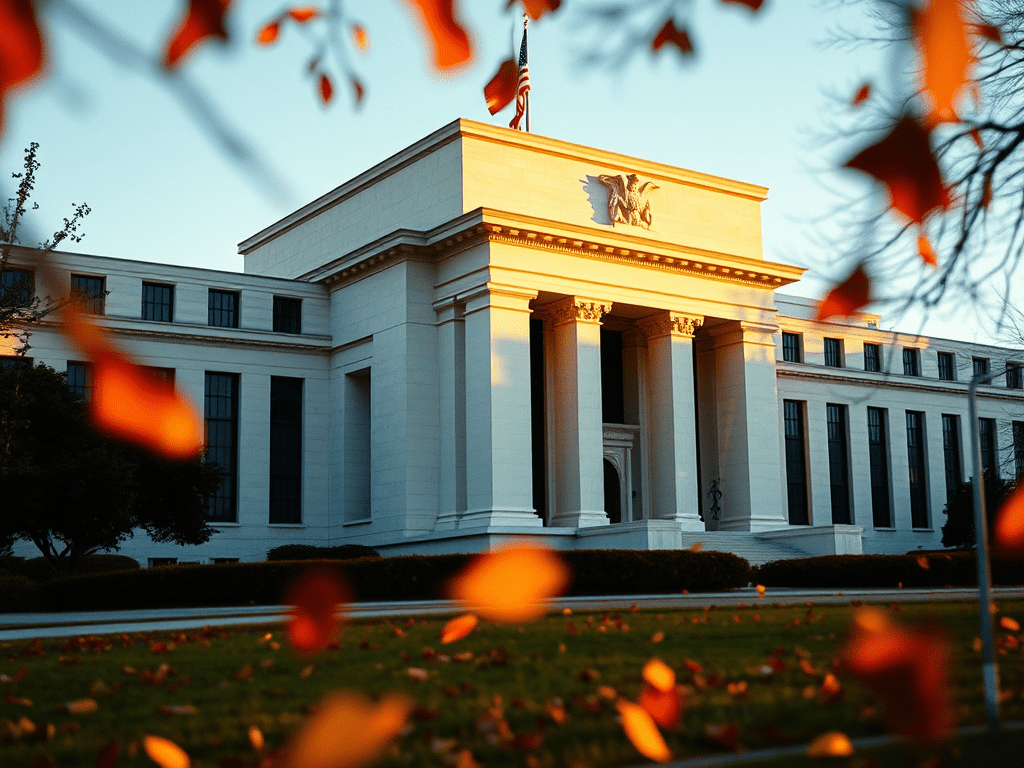
          The Federal Reserve has recently made a significant change to its monetary policy by cutting interest rates. Here are the key details about this rate cut and its implications:

          Rate Cut Details

          The Federal Reserve lowered the benchmark federal funds rate by 0.50 percentage points, bringing it to a range of 4.75% to 5.00%[1][3]. This marks the first interest rate cut by the Fed in over four years and represents a larger-than-usual reduction[2][3].

          Reasons for the Cut

          The Fed cited several factors for this decision:

          • Inflation has declined significantly from its peak, now standing at 2.5%, close to the Fed’s 2% target[1]
          • Improved economic conditions and an evaluation of risks[1]
          • A desire to support continued low unemployment[3]

          Federal Reserve Chair Jerome Powell described the move as a “recalibration” to account for the sharp decline in inflation[2].

          Future Outlook

          The Fed has signaled that further rate cuts are likely:

          • Another 0.50 percentage point cut is expected by the end of 2024[2]
          • A full percentage point reduction is predicted for 2025[2]
          • An additional 0.50 percentage point cut is anticipated in 2026[2]

          Impact on Consumers and Businesses

          The rate cut is expected to have various effects:

          • Mortgage rates may continue to decline, potentially benefiting prospective homebuyers[1]
          • Interest rates for auto loans and credit cards are projected to decrease, though savings may be minimal[1]
          • Borrowing costs for businesses are likely to decrease[3]

          However, it’s important to note that many households with fixed-rate mortgages may not see immediate benefits[1].

          Economic and Political Implications

          The rate cut could have broader economic and political consequences:

          • It may help maintain economic stability, particularly in the labor market[1]
          • The decision could influence voter sentiment ahead of the November 5 presidential election[1]
          • There is potential for increased business spending and rising stock values[3]

          While the rate cut represents a significant shift in monetary policy, its full effects may take time to materialize in the broader economy.

          Citations:
          [1] https://www.aljazeera.com/economy/2024/9/23/the-us-fed-cut-interest-rates-by-more-than-expected-so-what
          [2] https://www.weforum.org/agenda/2024/09/us-federal-reserve-interest-rates-cut-economy-news-20-september/
          [3] https://apnews.com/article/interest-rates-inflation-prices-federal-reserve-economy-0283bc6f92e9f9920094b78d821df227
          [4] https://www.fool.com/the-ascent/federal-reserve-interest-rates/
          [5] https://www.federalreserve.gov/releases/h15/
          [6] https://www.statista.com/statistics/187616/effective-rate-of-us-federal-funds-monthly/
          [7] https://www.cbsnews.com/news/federal-reserve-rate-cut-credit-cards-mortgages-already-lowering-rates/
          [8] https://www.cnbc.com/2024/09/18/fed-cuts-rates-september-2024-.html

          Denver Suburbs Consider Lawsuit Over Migrant Policies

          Several suburbs around Denver are considering legal action against the city over its policies regarding migrants. Here are the key details:

          Background

          • Denver has served over 42,000 migrants from the southern border since December 2022[1][2].
          • The influx of migrants has strained resources in Denver and surrounding communities[4].

          Potential Legal Action

          • The Castle Rock Town Council voted unanimously to explore suing Denver over its migrant policies[1][2].
          • Other municipalities like Parker and Aurora are also considering joining potential legal action[2].
          • Several Colorado counties have already filed a lawsuit against the state and Governor Jared Polis, challenging laws that prevent local governments from cooperating with federal immigration authorities[2].

          Reasons for Potential Lawsuit

          • Concerns that Denver’s policies are negatively impacting surrounding communities[1].
          • Claims that Denver has had trouble housing migrants, leading to spillover into neighboring areas[2].
          • Worries about potential increases in crime, though evidence of widespread issues is limited[1].

          Key Figures

          • Castle Rock Councilmember Max Brooks proposed exploring legal action, stating: “This isn’t just a decision that Denver gets to make because it’s impacting the rest of the Front Range.”[2]
          • Douglas County Sheriff Darren Weekly acknowledged some arrests of foreign nationals but said there are no confirmed connections between crime in the county and foreign gangs[1].

          Current Status

          • Castle Rock’s town attorney is exploring legal options and having conversations with other municipalities[2].
          • The next step is for attorneys from interested towns and counties to discuss potential legal proceedings[2][3].
          • Denver has not yet commented on the potential lawsuit[3].

          While some officials and residents express concerns about the impact of migrants, others believe communities have a moral obligation to be welcoming. The situation remains contentious as suburbs consider their legal options in response to Denver’s policies.

          Citations:
          [1] https://coloradocommunitymedia.com/2024/09/03/castle-rock-to-explore-suing-denver-over-its-approach-to-migrants/
          [2] https://www.cbsnews.com/colorado/news/castle-rock-explores-lawsuit-against-denver-migrant-policies/
          [3] https://san.com/cc/denver-suburbs-consider-suing-over-sanctuary-city-migrant-policies/
          [4] https://rockymountainvoice.com/2024/09/fed-up-suburbs-plan-to-sue-denver-after-sanctuary-city-welcomes-42000-migrants-including-tren-de-aragua-gang/
          [5] https://coloradosun.com/2024/03/13/denver-migrants-immigration/
          [6] https://nypost.com/2024/09/15/us-news/denver-suburbs-look-to-sue-over-over-sanctuary-city-policies-that-welcomed-migrants/