Colorado Front Range Wildfires Update: August 1, 2024

Latest Updates on the Colorado Front Range Wildfires

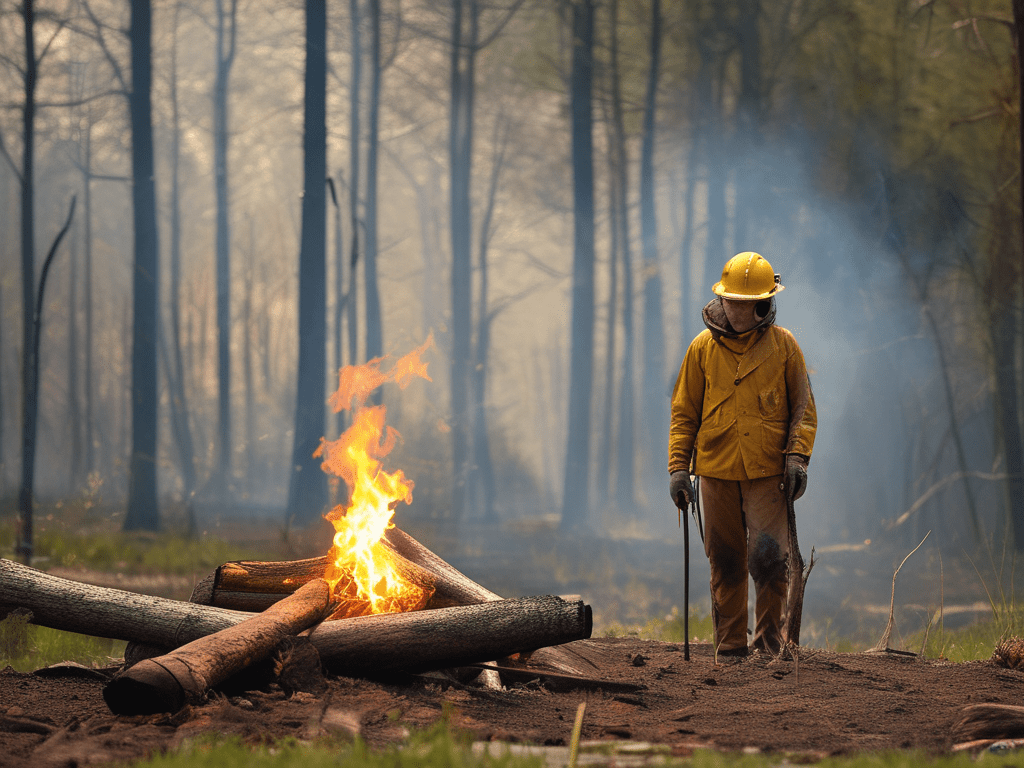
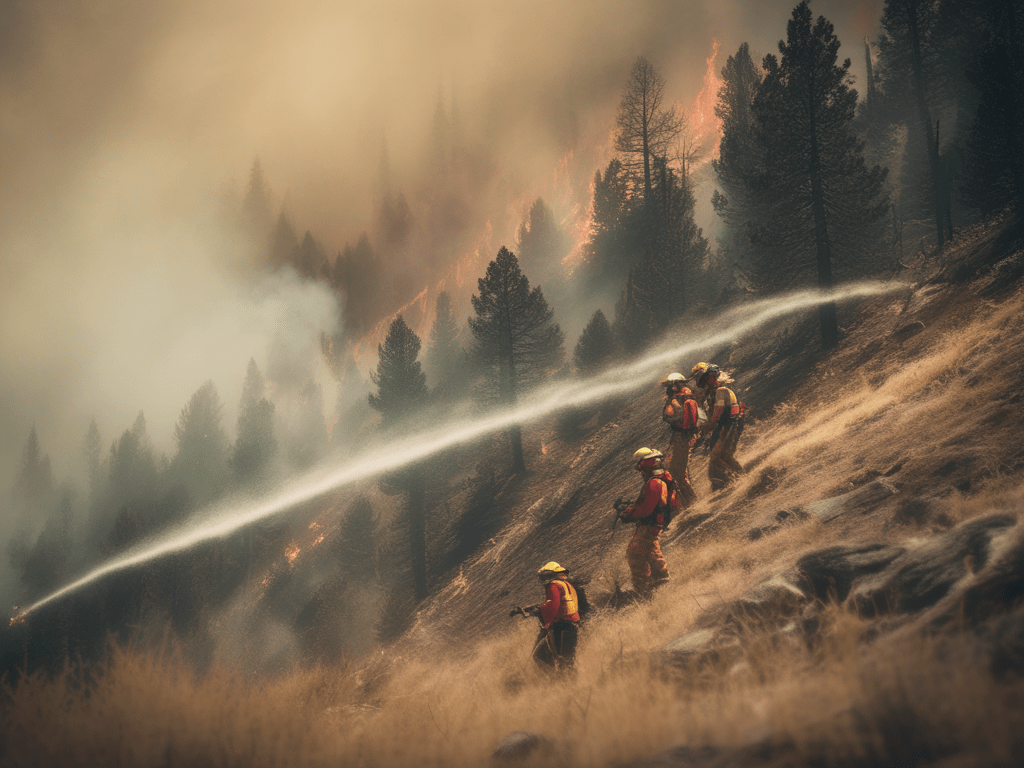
As of August 1, 2024, four significant wildfires are burning along Colorado’s Front Range, causing widespread evacuations, destruction, and one confirmed fatality. The fires are exacerbated by hot, dry, and windy conditions, making containment efforts challenging.

Current Wildfires

  1. Stone Canyon Fire
  • Location: Boulder and Larimer counties, near Lyons.
  • Status: 20% contained.
  • Impact: One person killed, at least two homes destroyed, and five structures affected.
  • Resources: Approximately 70 firefighters are working on containment.
  • Challenges: Difficult terrain and adverse weather conditions.
  1. Alexander Mountain Fire
  • Location: Larimer County, near Loveland.
  • Status: 1% contained.
  • Impact: Thousands evacuated, no structures reported destroyed.
  • Resources: Around 270 firefighters, including numerous aviation assets.
  • Challenges: Steep and rugged terrain.
  1. Quarry Fire
  • Location: Jefferson County, near Deer Creek Canyon.
  • Status: 0% contained.
  • Impact: 575 homes evacuated, no structures reported destroyed.
  • Resources: Local firefighting units and aerial support.
  • Challenges: Rapid growth due to windy conditions and proximity to populated areas.
  1. Lake Shore Fire
  • Location: Boulder County, around Gross Reservoir.
  • Status: 0% contained.
  • Impact: Evacuations in place, human-caused but not believed to be intentional.
  • Resources: Local firefighting units and ongoing investigations.
  • Challenges: Dry conditions and limited resources.

Containment Efforts and Challenges

  • Weather Conditions: The region is experiencing a heatwave with dry and windy conditions, complicating firefighting efforts. Temperatures are expected to remain high, with potential thunderstorms later in the week that could bring both relief and new challenges due to lightning.
  • Resource Allocation: Governor Jared Polis has authorized the deployment of the Colorado National Guard and requested federal assistance to support firefighting efforts. There is a struggle to secure enough resources as multiple fires are burning across the Western United States.
  • Investigation: Colorado’s newly expanded wildfire investigations team is actively looking into the causes of the fires, particularly the Stone Canyon Fire, with the help of advanced investigative techniques and resources.

Community Impact

  • Evacuations: Thousands of residents have been evacuated from their homes across the affected areas. Emergency shelters and resources are being provided to those displaced.
  • Fatality and Injuries: One person has been confirmed dead in the Stone Canyon Fire, and four firefighters have been injured.
  • Property Damage: Several homes and structures have been destroyed or damaged, with ongoing assessments to determine the full extent of the damage.

Looking Ahead

  • Weather Forecast: Cooler and wetter conditions are expected early next week, which should aid in slowing the fires’ growth and assist containment efforts.
  • Continued Efforts: Firefighters will continue to work around the clock to contain the fires, with additional resources being mobilized as needed.

The situation remains dynamic, and residents are urged to stay informed through local news and official channels for the latest updates and evacuation orders.

Citations:
[1] https://www.washingtonpost.com/nation/2024/08/01/colorado-wildfires-front-range/
[2] https://www.cpr.org/2024/07/31/colorado-wildfire-investigations-team-stone-canyon-fire/
[3] https://www.denverpost.com/2024/08/01/colorado-wildfires-lake-shore-quarry-stone-canyon-alexander-mountain/
[4] https://www.denver7.com/news/wildfire/heres-the-latest-on-the-3-major-wildfires-burning-on-colorados-front-range
[5] https://www.colorado.edu/today/2024/08/01/supporting-our-campus-through-wildfire-recovery
[6] https://www.denverpost.com/2024/07/31/colorado-wildfires-alexander-mountain-stone-canyon/
[7] https://abcnews.go.com/US/wireStory/human-remains-found-house-destroyed-colorado-wildfire-112445768
[8] https://coloradonewsline.com/briefs/3-wildfires-colorado-front-range/

U.S. Wildfire Crisis 2024: Facts, Figures, and Current Status

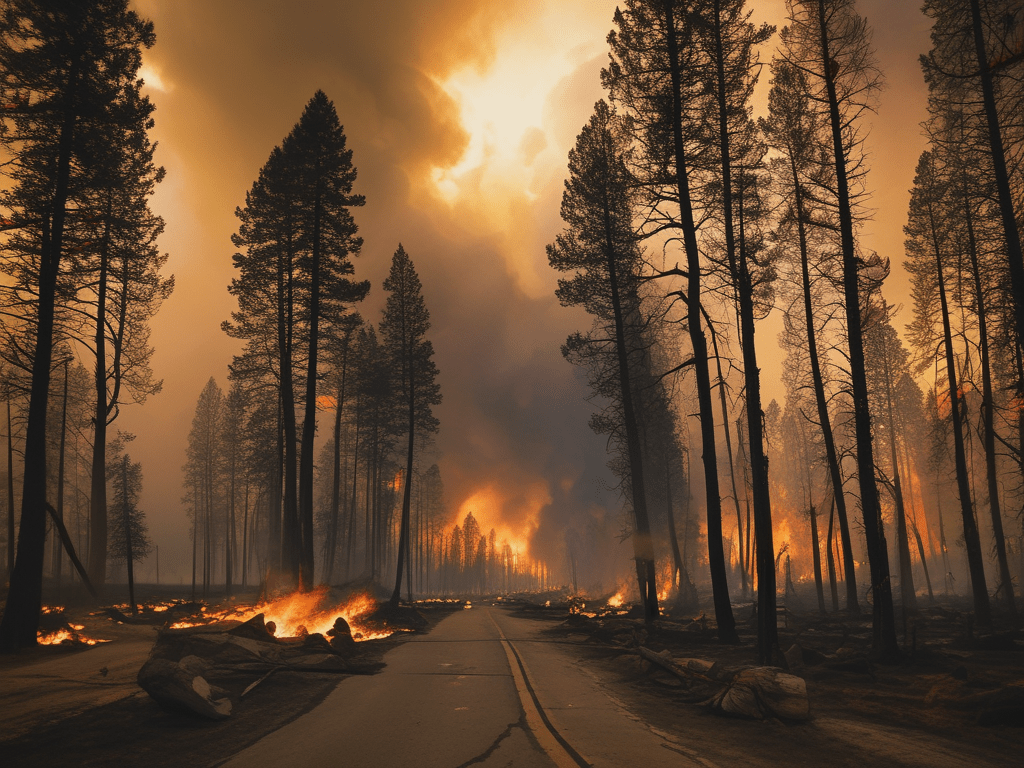
2024 U.S. wildfire season has already been active, with several significant fires burning across the country.  

1. National Fire News | National Interagency Fire Center

Source icon

www.nifc.gov

Data from the National Interagency Fire Center (NIFC) shows that as of July 29, 2024, there have been 27,110 wildland firefighters and support personnel assigned to wildfires nationwide, including 28 complex and 6 Type 1 incident management teams, 604 crews, 1,625 engines, numerous aviation resources, and four Modular Airborne Fire Fighting Systems, or MAFFS.  

1. www.nifc.gov

www.nifc.gov

2. National Interagency Fire Center: Welcome to the Nation’s Logistical Support Center

Source icon

www.nifc.gov

Here are some key details about the 2024 wildfire season so far:

For more information, please visit the following resources:

Hovenweep National Monument: Ancient Puebloan Villages and Deserted Valley

Hovenweep National Monument: A Deserted Valley

Hovenweep National Monument, straddling the Colorado-Utah border, is a significant archaeological site known for its well-preserved ancient Puebloan villages. The name “Hovenweep” is derived from a Paiute/Ute word meaning “deserted valley,” aptly describing the area’s historical and geographical context[1][2][3].

Historical Significance

Hovenweep was once home to more than 2,500 people between A.D. 900 and 1300. The site includes six prehistoric villages built by the ancestral Puebloans, a sedentary farming culture. These villages feature a variety of structures, including multistory towers, kivas (ceremonial structures), and storage granaries[2][4][5]. The towers, which are square, oval, circular, and D-shaped, are particularly notable for their intricate masonry and strategic locations on canyon rims and boulders[2][4].

Architectural Marvels

The structures at Hovenweep are remarkable for their architectural diversity and craftsmanship. The towers might have served multiple purposes, including celestial observation, defense, storage, and civic activities. The masonry work is considered some of the finest prehistoric construction in the United States, with carefully shaped stones and mortar used to fill gaps and protect against the elements[2][4].

Solitude and Natural Beauty

Hovenweep is celebrated for its solitude and undeveloped natural character, making it an ideal spot for visitors seeking tranquility and a connection with ancient history. The monument is also an International Dark Sky Park, offering stunning night skies for stargazing[3].

Visitor Information

  • Main Attractions: Square Tower Group, Little Ruin Canyon, Cutthroat Castle, Horseshoe & Hackberry, and Holly[1][4].
  • Activities: Hiking, camping, and exploring the archaeological sites. Pets are allowed on trails and in the campground but must be leashed[3][4].
  • Facilities: Visitor center, restrooms, picnic shelters, and a campground. Limited services are available, so visitors are advised to bring water, food, and other essentials[3][4].
  • Access: The monument is accessible via paved and gravel roads, with the main routes being the McElmo Canyon Route and the Pleasant View Route[2][4].

Practical Tips

  • Weather: The high desert region experiences wide temperature fluctuations. Summer temperatures can exceed 100°F (38°C), while winters can be quite cold[3].
  • Safety: Hydration is crucial, and visitors should carry ample water and protect themselves from the sun with sunscreen, hats, and light-colored clothing[3].
  • Respect the Site: Visitors are encouraged to stay on designated trails and not enter the ruins to help preserve the site’s integrity[1][3].

Hovenweep National Monument offers a unique glimpse into the lives of the ancestral Puebloans and stands as a testament to their ingenuity and resilience. Its remote location and well-preserved structures make it a fascinating destination for history enthusiasts and nature lovers alike.

Citations:
[1] https://www.utah.com/destinations/national-monuments/hovenweep-national-monument/
[2] https://mesaverdecountry.com/hovenweep-national-monument/
[3] https://cnha.org/visit/hovenweep-national-monument/
[4] https://bluffutah.org/hovenweep-national-monument/
[5] https://www.nps.gov/hove/learn/historyculture/index.htm
[6] https://www.nps.gov/hove/

Alexander Mountain Fire: Evacuation Orders, Centers, and Safety Guidelines

Alexander Mountain Fire in Northern Colorado

Current Status

The Alexander Mountain Fire, located west of Loveland in northern Colorado, has rapidly expanded and now covers approximately 950 acres as of the latest reports. The fire, which began in the Roosevelt National Forest, has prompted mandatory evacuations due to its swift growth and potential danger to nearby communities.

Evacuation Orders

Mandatory evacuations have been issued for several areas, including:

  • Residents from Drake to The Dam Store along Highway 34
  • Areas around Storm Mountain and Palisade Mountain
  • Waltonia Road, Sylvan Dale to Ellis Ranch, and Eden Valley to Sunrise Ranch
  • Bobcat Ridge and Flatiron Reservoir areas

Voluntary evacuations are in effect for:

  • County Road 86C north of Rustic
  • Glade Road from Highway 34 to Indian Creek
  • County Road 18E from County Road 31 to County Road 29

Residents in these areas are advised to gather essential items and prepare for immediate evacuation if necessary[1][2][4].

Evacuation Centers

Evacuation centers have been set up at:

  • Namaqua Elementary School, 209 N. Namaqua Ave., Loveland, CO 80537
  • Estes Park Events Complex, 1125 Rooftop Way, Estes Park, CO 80517

For those with large animals, the designated evacuation site is The Ranch Events Center, 5400 Arena Circle, Loveland, CO 80538. Small animals and pets can be taken to the NOCO Humane Society, 3501 E. 71st Street, Loveland, CO 80538[4][7].

Firefighting Efforts

Firefighting teams, including air support, have been deployed to control the blaze. The U.S. Forest Service has been actively mapping the fire to provide accurate size estimates and coordinate efforts effectively. As of the latest updates, the fire’s size has been estimated to range between 247 and 950 acres due to varying reports and ongoing assessments[1][3][5].

Air Quality and Health Advisories

An air quality alert has been issued for southeastern Larimer County, including Loveland, Windsor, Severance, and south Fort Collins, due to heavy smoke from the fire. Residents, especially those with heart or respiratory conditions, are advised to stay indoors if visibility drops below five miles, indicating unhealthy levels of smoke[5].

Additional Information

Residents can receive real-time updates by texting LCEVAC to 888-777. For more detailed evacuation maps and further instructions, visit the Larimer County Sheriff’s Office social media channels and the NOCO Alert website[4][6].

Stay safe and follow all evacuation orders and advisories from local authorities to ensure your safety and the safety of your community.

Citations:
[1] https://www.usatoday.com/story/news/nation/2024/07/29/colorado-fire-map-loveland/74592751007/
[2] https://www.yahoo.com/news/live-updates-fire-west-loveland-184223072.html
[3] https://www.denver7.com/news/local-news/photos-show-magnitude-of-alexander-mountain-fire-burning-west-of-loveland
[4] https://www.denver7.com/news/wildfire/mandatory-evacuations-issued-for-parts-of-larimer-county-as-wildfire-burns-near-drake
[5] https://www.denverpost.com/2024/07/29/alexander-mountain-wildfire-larimer-county-mandatory-evacuation/
[6] https://www.newsweek.com/latimer-wildfire-colorado-evacuations-map-1931671
[7] https://eu.coloradoan.com/story/news/2024/07/29/evacuation-centers-for-large-animals-people-in-alexander-mountain-fire/74594602007/
[8] https://coloradosun.com/2024/07/29/wildfire-larimer-county-mandatory-evacuations/
[9] https://www.cpr.org/2024/07/29/storm-mountain-wildfire-evacuations/
[10] https://www.denverpost.com/2024/07/29/photos-alexander-mountain-fire-loveland/
[11] https://www.cbsnews.com/colorado/news/mandatory-evacuations-ordered-wildfire-storm-mountain-larimer-county/
[12] https://www.reporterherald.com/2024/07/29/wildfire-west-of-loveland-prompts-evacuation-orders/
[13] https://eu.coloradoan.com/story/news/2024/07/29/updates-on-the-alexander-mountain-fire-west-of-loveland-colorado/74591871007/
[14] https://kdvr.com/news/local/wildfire-reported-west-of-sylvandale-ranch-near-highway-34/
[15] https://www.newsnationnow.com/us-news/west/live-updates-800-acre-wildfire-growing-west-of-sylvan-dale-ranch-near-highway-34/
[16] https://www.kktv.com/video/2024/07/29/watch-alexander-mountain-fire-burning-southwest-fort-collins-729-140-pm-update/

Cayuga County Confirmed Case: Listeria Outbreak and Deli Meats Recall Update

A case of listeria has been confirmed in Cayuga County, New York, as part of a larger outbreak linked to deli meats affecting multiple states[1][4][5]. This case is one of 12 confirmed listeria infections reported across New York State[2][8].

The outbreak has been traced to contaminated deli meats, prompting the U.S. Department of Agriculture (USDA) to issue a significant recall of deli meat products[1]. The recall includes approximately 200,000 pounds of Boar’s Head products due to potential listeria contamination[1][12].

Key points about the outbreak:

  1. Scope of the outbreak:
  • 34 people in 13 states have been sickened across the United States since May 29[2].
  • All 34 patients have been hospitalized, with two reported deaths (one in New Jersey and one in Illinois)[2].
  1. New York State cases:
  • 12 confirmed cases in New York State, including the one in Cayuga County[1][2].
  • Other affected counties include New York City (4 cases), Suffolk County (2 cases), Nassau County (1 case), and one each in Dutchess, Greene, Onondaga, and Oswego counties[2].
  1. Source of contamination:
  • 23 out of 24 interviewed patients reported eating meats sliced at deli counters[2].
  • An unopened Boar’s Head liverwurst product tested positive for listeria, leading to the recall[2].
  1. Preventive measures:
  • Consumers are advised to check their refrigerators and discard any recalled items[1].
  • The Cayuga County Health Department is closely monitoring the situation[1].
  • Stop & Shop temporarily closed their delis to remove recalled products and conduct deep cleaning[2].
  1. Listeria symptoms and risks:
  • Symptoms can include gastrointestinal issues, headache, muscle ache, or fever, and may appear up to two months after consuming contaminated food[2].
  • Immunocompromised individuals are at higher risk of severe complications, including meningitis and sepsis[2].

The Cayuga County Health Department urges anyone experiencing symptoms of listeria infection to seek medical attention immediately[1]. For updates and tracking of the outbreak, residents can visit the health department’s website[3].

Citations:
[1] https://www.fingerlakes1.com/2024/07/29/listeria-outbreak-linked-to-deli-meats-hits-nys-confirmed-case-in-cayuga-county/
[2] https://www.cbsnews.com/newyork/news/listeria-deli-meat-new-york/
[3] https://www.cayugacounty.us/1850/Health-Department
[4] https://www.informnny.com/news/state-news/12-listeria-cases-confirmed-in-new-york-state-one-in-cayuga-county/
[5] https://cnycentral.com/news/local/listeria-case-confirmed-in-cayuga-county-1-of-12-cases-statewide
[6] https://www.fingerlakesdailynews.com/local/cayuga/amid-county-office-building-closure-treasurers-office-temporarily-relocates
[7] https://www.cayugacounty.us/DocumentCenter/View/26609/72624-Listeria-Outbreak-and-Related-Recalls
[8] https://www.fingerlakesdailynews.com/local/cayuga/as-listeria-outbreak-hits-us-case-confirmed-in-cayuga-county
[9] https://www.youtube.com/watch?v=AZgLt3IlWOY
[10] https://cortacatoday.com/news/258852-national-listeria-outbreak-reaches-cayuga-county/
[11] https://idaho.id.networkofcare.org/ph/news-article-detail.aspx?id=154024
[12] https://www.syracuse.com/product-recalls/2024/07/recall-of-boars-head-deli-meats-announced-during-investigation-of-listeria-outbreak.html
[13] https://www.youtube.com/watch?v=0FnQCl3mQ-0
[14] https://cortacatoday.com/news/258852-get-to-know-tompkins-county-poet-laureate-janie-bibbie/
[15] https://www.informnny.com/news/state-news/12-listeria-cases-confirmed-in-new-york-state-one-in-cayuga-county/?nxsparam=6

UnitedHealth’s Manipulation of Medicare Advantage and Physician Network

UnitedHealth Group, the largest health insurer in the United States, has built a vast physician empire that it leverages to maximize profits, often at the expense of patient care and healthcare costs. Here’s how UnitedHealth harnesses its physician network:

  1. Scale and Influence: UnitedHealth now employs or influences approximately 1 in 10 U.S. doctors – around 90,000 clinicians – giving it unparalleled control over medical practices[1][2][3].
  2. Medicare Advantage Exploitation: UnitedHealth uses its control over doctors to manipulate the Medicare Advantage payment system. The company encourages physicians to make patients appear as sick as possible through aggressive medical coding, which increases the “risk scores” of patients and leads to higher government payouts[1][2].
  3. Pressure on Physicians: Doctors report being pressured by UnitedHealth to:
  • See up to four patients per hour, limiting time for proper care[2]
  • Identify more health problems in patients, even if conditions seem dubious[2]
  • Focus on medical coding to generate more revenue[2]
  1. Vertical Integration: UnitedHealth has acquired multiple pieces of the healthcare industry, allowing it to control everything from insurance to medical services to healthcare data and pharmaceuticals[4].
  2. Financial Impact: Through these tactics, UnitedHealth has potentially extracted tens of billions of extra dollars from taxpayers over the past decade[2].
  3. Patient Consequences: Patients experience rushed appointments, difficulty getting seen, and may find concerning diagnoses in their medical records that were never discussed with their doctors[2].
  4. Regulatory Concerns: The Department of Justice has launched an antitrust investigation into the relationship between UnitedHealth’s insurance unit and its Optum healthcare services arm[4].

This strategy has transformed healthcare in many communities into an assembly line that treats patients as products to be monetized, prioritizing profit over quality care[2][3]. The company’s tactics have raised significant concerns about market dominance, patient care quality, and the overall cost of healthcare in the United States.

Citations:
[1] https://www.statnews.com/2024/07/25/video-explainer-insurance-companies-doctors-medical-codes/
[2] https://www.bostonglobe.com/2024/07/25/metro/unitedhealth-group-stat-investigation/
[3] https://www.statnews.com/2024/07/25/united-health-group-medicare-advantage-strategy-doctor-clinic-acquisitions/
[4] https://www.medpagetoday.com/opinion/prescriptionsforabrokensystem/109088
[5] https://www.warren.senate.gov/newsroom/press-releases/at-hearing-warren-blasts-unitedhealth-ceo-for-monopolistic-practices-that-raise-prices-stomp-out-competition-and-harm-patients

Health Insurers’ Deceptive Tactics: A Threat to Healthcare System

Health Insurers Gaming the System

Health insurers, particularly those involved in Medicare Advantage (MA), have been found to engage in various strategies to maximize profits, often at the expense of patients and the healthcare system. These practices include fraudulent activities, financial manipulations, and strategic mergers to increase market power.

Common Fraudulent Practices

  1. False Diagnoses and Upcoding
  • Health care fraud often involves entering false diagnoses into patients’ medical records to submit bogus insurance claims. This can lead to unnecessary medical procedures and compromised medical records[1].
  • In Medicare Advantage, insurers have been found to systematically make patients appear sicker than they are to receive higher risk adjustment payments from Medicare. This practice, known as “upcoding,” results in billions of dollars in additional spending annually[3][4].
  1. Medical Identity Theft
  • Medical identity theft is another significant issue, with over 2 million Americans affected. This involves using legitimate insurance information to submit falsified claims, leading to financial and personal harm to victims[1].

Financial Manipulations

  1. Asset Looting
  • Private equity firms owning hospitals sometimes sell the land the hospital is on and lease it back at high interest rates. The proceeds are paid out to investors, leaving the hospital with debt. If the hospital cannot repay, the firm may threaten closure unless the government intervenes[2].
  1. Mergers and Market Power
  • Insurers and medical practices merge to create larger entities with significant market power, allowing them to raise prices. This is prevalent in areas with high clinical needs and limited providers, such as dental and behavioral health care[2].
  • These mergers often lead to higher prices and reduced competition, negatively impacting patient care and increasing healthcare costs[2].

Medicare Advantage Specific Issues

  1. Favorable Selection and Deselection
  • Medicare Advantage plans actively seek out healthier patients, a practice known as “favorable selection,” while discouraging sicker patients through various means. This skews the risk pool and increases costs for traditional Medicare[3].
  1. Quality Benchmarks and County Bonuses
  • Medicare Advantage plans receive bonuses based on geographic coverage and quality benchmarks. However, these payments often do not reflect actual savings or improvements in care, leading to unnecessary costs for Medicare[3][4].

Impact on Patients and the Healthcare System

  • Higher Costs and Reduced Access
  • Fraudulent and manipulative practices by health insurers lead to higher premiums and out-of-pocket expenses for consumers. They also result in reduced benefits and coverage, making healthcare less accessible and more expensive for many Americans[1][3].
  • Hospitals and medical groups often operate at a loss due to routine denials and delayed reimbursements from Medicare Advantage plans, leading to the termination of contracts and reduced care availability[3].
  • Quality of Care
  • The quality of care often deteriorates in facilities owned by private equity firms due to financial manipulations. Patients in Medicare Advantage plans may receive less care compared to those in traditional Medicare, despite appearing sicker on paper[2][3][4].

Policy Recommendations

  • Stricter Regulations
  • Governments should prohibit private equity firms from taking payouts until it is proven that patients are not harmed. More aggressive challenges to mergers by the Department of Justice and the Federal Trade Commission are also necessary[2].
  • Improved Oversight
  • Enhanced oversight and audits of Medicare Advantage plans to ensure accurate risk adjustment and prevent upcoding. Ensuring that quality bonuses and geographic payments are justified and reflect actual improvements in care[3][4].
  • Consumer Protection
  • Increased efforts to protect consumers from medical identity theft and fraudulent practices by health insurers. This includes better education on the risks and more robust legal frameworks to address and penalize fraudulent activities[1].

In summary, health insurers, particularly those involved in Medicare Advantage, employ various strategies to game the system, resulting in significant financial and personal harm to patients and the healthcare system. Addressing these issues requires stringent regulations, improved oversight, and robust consumer protection measures.

Citations:
[1] https://www.nhcaa.org/tools-insights/about-health-care-fraud/the-challenge-of-health-care-fraud/
[2] https://jamanetwork.com/journals/jama-health-forum/fullarticle/2818759
[3] https://www.levernews.com/insurers-are-gaming-medicare-to-the-tune-of-140_billion/
[4] https://apl.utdallas.edu/2023/03/15/gaming-the-system-how-major-insurers-are-able-to-extract-big-profits-from-medicare-advantage/

Understanding Microplastic Risks: Implications for Human Health and Preventive Actions

As Colorado doctors raise concerns about microplastics, recent research has confirmed the presence of these tiny plastic particles throughout the human body, prompting growing apprehension among experts regarding potential health risks.

Microplastics, defined as plastic fragments less than 5 millimeters in size, have been detected in various human organs and bodily systems[1][3]. Studies have found microplastics in:

  • Blood: A 2022 study found microplastics in nearly 80% of blood samples from healthy individuals[4].
  • Lungs: Researchers believe the lungs are a primary entry point for microplastics into the body[4].
  • Heart: Chinese scientists discovered microplastics in human hearts during cardiac surgeries[3].
  • Liver and kidneys: These organs have also been found to contain microplastic particles[3][4].
  • Placenta: Multiple studies have detected microplastics in human placentas, raising concerns about fetal exposure[4].
  • Brain: Animal studies suggest nanoplastics can cross the blood-brain barrier, potentially affecting brain function[4].
  • Reproductive system: A recent study found microplastics in the testes of all human and canine subjects tested[3].

The ubiquity of microplastics in the environment contributes to human exposure through various routes:

  1. Ingestion: People consume microplastics through contaminated food, water, and even commonly used products[2].
  2. Inhalation: Airborne microplastics can be inhaled and potentially enter the bloodstream through the lungs[4].
  3. Absorption: Some microplastics may be absorbed through the skin, though this route is less studied[1].

While the long-term health effects of microplastics on humans are not yet fully understood, researchers have identified several potential health concerns:

  • Inflammation: Microplastics may trigger inflammatory responses in various organs[1].
  • Oxidative stress: The presence of microplastics could lead to cellular damage[1].
  • Endocrine disruption: Some plastic compounds may interfere with hormone function[2].
  • Reproductive health: Microplastics in reproductive organs raise concerns about fertility impacts[3].
  • Cardiovascular risks: A study found that individuals with microplastics in arterial plaque were 4.5 times more likely to experience adverse cardiovascular events[4].
  • Developmental issues: Microplastics in the placenta may affect fetal development and immune system function[4].

Experts emphasize the need for further research to establish clear links between microplastic exposure and specific health outcomes[4]. Dr. Marcus Garcia highlights the importance of understanding how different types of plastics and their associated chemicals impact health, stating, “We need to determine at what levels these accumulations create health conditions”[4].

As the scientific community continues to investigate the health implications of microplastics, individuals can take steps to reduce their exposure by:

  1. Minimizing the use of single-use plastics
  2. Choosing natural fiber clothing over synthetic materials
  3. Filtering drinking water
  4. Avoiding heating food in plastic containers

While more research is needed to fully understand the health risks associated with microplastics, the growing body of evidence suggests that their presence in the human body is a cause for concern and warrants continued investigation and preventive measures.

Citations:
[1] https://pubs.acs.org/doi/10.1021/envhealth.3c00052
[2] https://www.undp.org/kosovo/blog/microplastics-human-health-how-much-do-they-harm-us
[3] https://www.forbes.com/sites/maryroeloffs/2024/05/22/how-do-microplastics-get-in-human-body-found-in-hearts-testicals-blood-health-risk-nanoplastics/
[4] https://www.health.com/microplastics-inside-human-organs-8639349
[5] https://www.ewg.org/news-insights/news/2024/03/new-study-links-microplastics-serious-health-harms-humans
[6] https://environmentamerica.org/colorado/center/media-center/new-report-100-of-tested-colorado-water-bodies-contain-microplastics/
[7] https://coloradosun.com/2023/05/30/microplastics-study-colorado-waterways-pollution/
[8] https://www.cbsnews.com/colorado/news/denver-students-find-harmful-microplastics-major-colorado-waterways/
[9] https://www.aamc.org/news/microplastics-are-inside-us-all-what-does-mean-our-health
[10] https://www.theguardian.com/environment/2024/mar/06/microscopic-plastics-could-raise-risk-of-stroke-and-heart-attack-study-says

Colorado’s Evolving Wildfire Suppression Strategies

Changes in Fire Suppression in Colorado

As wildfire haze continues to affect Denver, it’s important to understand the evolving strategies in fire suppression that Colorado has adopted over the years. These changes reflect a broader shift in wildfire management, balancing ecological needs with public safety.

Historical Context

For much of the 20th century, wildfire suppression in the United States, including Colorado, was focused on extinguishing all fires as quickly as possible. This approach was driven by the fear of uncontrollable and destructive fires, such as the Great Fire of 1910. However, by the 1960s, ecological studies began to highlight the importance of fire as a natural process essential for the health of many ecosystems. This led to a gradual shift in policy from complete suppression to fire management, allowing some fires to burn under controlled conditions to promote ecological balance[4].

Modern Fire Suppression Techniques

Today, Colorado employs a variety of modern fire suppression techniques:

  1. Controlled Burns: Also known as prescribed burns, these are intentionally set and carefully managed fires that reduce the buildup of combustible vegetation. This method is considered one of the most effective ways to prevent larger, more destructive wildfires. However, controlled burns are often limited by strict regulations, public resistance, and erratic weather conditions, which can make them difficult to execute safely[3].
  2. Mechanical Thinning: This involves the physical removal of trees and other vegetation to reduce fuel loads. This method is often used in conjunction with controlled burns to manage fire risk in forests and grasslands.
  3. Artificial Intelligence (AI) Technology: Colorado has started integrating AI into its wildfire detection and management systems. For example, the Telluride Fire Protection District has partnered with Pano AI to use high-definition, 360-degree cameras and satellite data to detect fires early and respond more effectively[7].

Challenges and Adaptations

Despite these advancements, Colorado faces significant challenges in wildfire management:

  • Regulatory Hurdles: Conducting controlled burns requires navigating a complex web of regulations and obtaining permits, which can vary across the state’s 64 counties. These regulations are designed to prevent air quality violations and ensure public safety but can also delay critical fire prevention efforts[3].
  • Climate Change: Increasingly severe weather patterns, driven by climate change, have made wildfires more frequent and intense. This has necessitated more adaptive and proactive fire management strategies[3].
  • Public Resistance: Past incidents, such as the Lower North Fork Fire in 2012, which resulted in fatalities and property loss, have led to public skepticism about the safety of controlled burns. This resistance can hinder efforts to implement these crucial fire management practices[3].

Current Situation in Denver

The recent haze over Denver, caused by wildfire smoke from the Pacific Northwest and Canada, underscores the ongoing wildfire risk. The smoke has significantly reduced air quality, prompting health warnings and advisories for residents to limit outdoor activities[1][2][6]. This situation highlights the importance of effective wildfire management and the need for continued innovation in fire suppression techniques.

In conclusion, Colorado’s approach to wildfire suppression has evolved significantly, incorporating controlled burns, mechanical thinning, and advanced technologies like AI. These methods aim to balance ecological health with public safety, addressing the increasing challenges posed by climate change and regulatory constraints.

Citations:
[1] https://www.cbsnews.com/colorado/news/wildfire-smoke-denver-colorado-hazy-skies-air-quality/
[2] https://www.cpr.org/2024/07/25/haze-and-wildfire-smoke-in-colorado-clearing/
[3] https://www.propublica.org/article/colorado-wildfires-controlled-burns-marshall-fire
[4] https://en.wikipedia.org/wiki/History_of_wildfire_suppression_in_the_United_States
[5] https://www.yahoo.com/news/wildfire-haze-lingers-over-denver-233825404.html
[6] https://coloradonewsline.com/briefs/wildfire-smoke-smog-denver/
[7] https://www.denverpost.com/2023/03/23/artificial-intelligence-ai-wildfire-colorado-detect/
[8] https://www.cpr.org/2024/07/22/colorado-front-range-haze-smoke-ozone-wildfires/
[9] https://www.cbsnews.com/colorado/news/wildfire-smoke-returns-colorado/

Significant Increase in H5 Bird Flu Cases Among Poultry Workers in Northeast Colorado

Three additional human cases of highly pathogenic avian influenza (HPAI) A(H5), commonly known as H5 bird flu, have been confirmed in poultry workers in Northeast Colorado/Weld County, bringing the total number of human cases associated with recent poultry outbreaks in Colorado to nine[1]. This development marks a significant increase in human infections linked to the ongoing avian influenza outbreaks affecting poultry and dairy farms in the region.

Key points regarding the new cases:

  1. Location and Affected Workers: The three new cases occurred among workers at a commercial egg layer operation in Northeast Colorado that had reported an H5 bird flu outbreak among poultry[1].
  2. Symptoms and Treatment: All three individuals experienced mild illness and have been offered the antiviral drug oseltamivir for treatment[1].
  3. Total Case Count: With these new confirmations, the total number of human cases of H5 bird flu reported in the United States since April 2024 has risen to 13[1].
  4. CDC Response: The Centers for Disease Control and Prevention (CDC) has deployed a multidisciplinary, bilingual field team to support Colorado’s response to the ongoing poultry outbreaks[1].
  5. Risk Assessment: The CDC’s current assessment is that the risk to the general public from H5N1 remains low. However, these cases underscore the risk of exposure to infected animals[1].

Context and Implications:

  • This outbreak is part of a larger trend of H5N1 bird flu affecting wild birds globally and impacting poultry, various mammal species, and even causing an episode among U.S. dairy cows[3].
  • The Colorado Department of Public Health and Environment has emphasized that none of the infected persons required hospitalization, attributing the infections to contact with diseased poultry[3].
  • State and federal health officials are closely monitoring the situation, with a focus on preventing further spread and assessing any potential changes in the virus that could increase its transmissibility between humans[1].

Preventive Measures and Recommendations:

The CDC has issued the following recommendations to mitigate risks[1][2]:

  1. Avoid unprotected exposures to sick or dead animals, including wild birds, poultry, and other domesticated animals.
  2. Avoid contact with animal feces, bedding, unpasteurized milk, or materials that have been in close proximity to infected animals.
  3. Follow interim recommendations for preventing, monitoring, and conducting public health investigations of A(H5N1) virus infections in people.
  4. Adhere to updated worker protection and personal protective equipment (PPE) use recommendations, which are crucial for reducing individual risk and containing overall public health risk.

While the situation is concerning, health officials emphasize that there are currently no signs of unexpected increases in flu activity in Colorado or other affected states[1]. The investigation is ongoing, and findings will inform any necessary changes to current guidance and risk assessments.

Citations:
[1] https://www.cdc.gov/media/releases/2024/s0725-three-human-cases-of-h5-bird-flu.html
[2] https://www.foodsafetynews.com/2024/07/cdc-sends-team-to-colorado-as-human-bird-flu-cases-double-over-the-weekend/
[3] https://www.nbcnews.com/health/health-news/three-presumptive-bird-flu-cases-reported-poultry-workers-colorado-rcna161686
[4] https://www.cbsnews.com/colorado/news/bird-flu-confirmed-colorado-farmworker-latest-case-avian-influenza/
[5] https://www.cbsnews.com/news/3-colorado-poultry-workers-test-presumptively-positive-bird-flu-h5n1/
[6] https://www.cpr.org/2024/07/25/more-colorado-poultry-workers-test-positive-for-bird-flu/
[7] https://www.cbc.ca/news/health/human-h5n1-us-cases-1.7272781
[8] https://www.statnews.com/2024/07/22/bird-flu-infects-colorado-poultry-workers-related-to-h5n1-in-cows/
[9] https://www.cdc.gov/bird-flu/situation-summary/index.html
[10] https://www.aljazeera.com/opinions/2024/7/21/has-the-next-pandemic-already-started
[11] https://www.npr.org/sections/shots-health-news/2024/07/24/nx-s1-5049893/u-s-bird-flu-outbreak-scientists-see-growing-risks
[12] https://www.9news.com/article/news/health/avian-flu-human-cases-colorado/73-38250f74-70b5-4084-b3bd-d7e0487692fb
[13] https://www.kktv.com/2024/07/03/human-case-bird-flu-confirmed-colorado/
[14] https://www.cpr.org/2024/07/24/more-colorado-poultry-workers-test-positive-for-bird-flu/
[15] https://www.cidrap.umn.edu/avian-influenza-bird-flu/colorado-reports-2-more-avian-flu-infections-poultry-cullers
[16] https://www.wattagnet.com/poultry-meat/diseases-health/avian-influenza/news/15680396/another-weld-county-colorado-farm-hit-with-avian-flu

Hantavirus Outbreak in Arizona: Key Facts and Prevention Measures

Hantavirus, a potentially fatal disease transmitted from rodents to humans, has recently caused concern in the United States, particularly in Arizona. Here are the key details about the current situation:

  1. Recent cases and fatalities:
  • Seven confirmed cases of Hantavirus Pulmonary Syndrome (HPS) have been reported in Arizona from January 1 to July 1, 2024, resulting in three deaths[1][3].
  • California has reported two cases and one death this year[3].
  • In total, four deaths have been attributed to hantavirus in the U.S. in 2024[3][4].
  1. Disease characteristics:
  • Hantavirus is spread primarily through contact with infected rodent urine, saliva, or feces[1][4].
  • The virus has a fatality rate of approximately 38%[3].
  • Symptoms typically appear 1 to 8 weeks after exposure and include fever, muscle aches, nausea, and abdominal pain, progressing to severe respiratory issues[2][3].
  1. Geographic distribution:
  • Hantavirus cases are predominantly reported in the Western and Southwestern United States[2].
  • Arizona ranks among the states with the highest number of reported hantavirus infections[2].
  • The disease is not confined to a specific region and can be present in many areas with rodent activity[4].
  1. Factors contributing to the increase in cases:
  • Seasonal changes in rodent populations may be responsible for the uptick in cases[2].
  • Experts are considering climate change and extreme heat waves as potential contributing factors[2][3].
  1. Prevention and treatment:
  • There is currently no specific treatment, cure, or vaccine for hantavirus infection[2][4].
  • Prevention measures include proper cleaning and disinfection of areas with rodent activity, sealing entry points in homes, and using traps[4].

Health officials are urging the public to be cautious and take preventive measures, especially when entering or cleaning rural structures that may harbor rodents[2][4]. The recent increase in cases and fatalities highlights the importance of public awareness and proper hygiene practices to minimize the risk of hantavirus transmission.

Citations:
[1] https://cmmonline.com/news/hantavirus-concerns-in-arizona-as-fatalities-occur
[2] https://www.nbcnews.com/health/health-news/hantavirus-arizona-warn-spread-potentially-fatal-rcna162593
[3] https://timesofindia.indiatimes.com/world/us/hantavirus-in-us-deadly-rat-disease-kills-four-health-officials-on-alert/articleshow/112023247.cms
[4] https://metro.co.uk/2024/07/25/rat-disease-hantavirus-kills-four-us-health-warning-21292461/

Trump Shooting Incident: Propelling Action Against Gun Violence

The recent shooting incident involving former President Donald Trump highlights a critical issue that should not be overshadowed by political rhetoric: the persistent problem of gun violence in the United States[1][3].

While the attack has sparked intense debate and finger-pointing across the political spectrum, it’s crucial to focus on the underlying issue of easy access to powerful firearms. The assailant, Thomas Matthew Crooks, was able to obtain and use a potent assault weapon, resulting in injuries to Trump and others[1].

This incident is not an isolated event but part of a broader pattern of gun violence plaguing the country. On the same day as the Trump shooting, numerous other gun-related incidents occurred across the nation, underscoring the pervasive nature of this problem[1].

The political affiliations or motivations of the shooter, while subject to speculation, should not distract from the fundamental issue at hand – the widespread availability of military-grade weapons to civilians[1]. This accessibility continues to fuel the cycle of violence that affects communities across America.

While calls to tone down political rhetoric have emerged from various quarters, including President Biden and Speaker Mike Johnson[2], it’s essential to recognize that inflammatory language, while problematic, is not the root cause of gun violence. The focus should remain on addressing the underlying issue of gun control and the need for stricter measures to regulate access to powerful firearms[1][3].

As the country grapples with the aftermath of this high-profile incident, it’s crucial to resist the temptation to get caught up in partisan accusations or conspiracy theories. Instead, the emphasis should be on having a constructive dialogue about effective ways to curb gun violence and protect public safety[1][3].

In conclusion, while political discourse and rhetoric certainly play a role in shaping public opinion and potentially influencing actions, the Trump shooting serves as a stark reminder of the urgent need to address the broader issue of gun violence in America. This incident should catalyze meaningful discussions and actions aimed at implementing comprehensive measures to reduce the prevalence of such violent acts in society[1][3].

Citations:
[1] https://www.latimes.com/opinion/story/2024-07-17/donald-trump-assassination-attempt-jd-vance-guns-political-violence-robin-abcarian
[2] https://www.nbcnews.com/politics/donald-trump/speaker-mike-johnson-trump-shooting-political-rhetoric-rcna161762
[3] https://thehill.com/opinion/campaign/4772619-dangerous-rhetoric-trump-shooting/
[4] https://www.nbcnews.com/politics/donald-trump/prominent-republicans-lay-blame-democrats-trump-rally-shooting-rcna161774
[5] https://www.cnn.com/2024/07/15/us/thomas-crooks-trump-rally-shooting-invs/index.html

Wildlife Health Alert: Unprecedented Case of ‘Staggering Disease’ in Mountain Lion

A deadly neurological condition known as “staggering disease” has been discovered in a mountain lion in Colorado, marking the first reported case of this illness in a mountain lion in North America[1][2][3][4]. This finding is significant as it represents the first time the disease has been identified in this species on the continent.

The disease, which is caused by a virus, has been commonly found in domestic animals but had not previously been observed in wild mountain lions in North America[2][5]. Colorado Parks and Wildlife confirmed this groundbreaking discovery, highlighting its importance in understanding the spread of the disease among wildlife populations[4].

“Staggering disease” is named for one of its primary symptoms, which causes affected animals to exhibit unsteady movements. The condition is often fatal, raising concerns about its potential impact on mountain lion populations and other wildlife in the region[1][4].

This discovery underscores the importance of ongoing wildlife health monitoring and research, as it reveals new information about the spread of diseases among different animal species in North America. Wildlife officials and researchers will likely continue to study this case to better understand the implications for mountain lion populations and to develop strategies for monitoring and potentially managing the disease in wild animals.

Citations:
[1] https://www.idahostatesman.com/news/article290169244.html
[2] https://www.idahostatesman.com/news/nation-world/national/article290160429.html
[3] https://www.summitdaily.com/news/colorado-mountain-lion-staggering-disease-north-america/
[4] https://kdvr.com/news/local/first-north-american-case-of-staggering-disease-found-in-colorado-mountain-lion/
[5] https://www.kentucky.com/news/nation-world/national/article290160429.html