Health Insurers’ Deceptive Tactics: A Threat to Healthcare System

Health Insurers Gaming the System

Health insurers, particularly those involved in Medicare Advantage (MA), have been found to engage in various strategies to maximize profits, often at the expense of patients and the healthcare system. These practices include fraudulent activities, financial manipulations, and strategic mergers to increase market power.

Common Fraudulent Practices

  1. False Diagnoses and Upcoding
  • Health care fraud often involves entering false diagnoses into patients’ medical records to submit bogus insurance claims. This can lead to unnecessary medical procedures and compromised medical records[1].
  • In Medicare Advantage, insurers have been found to systematically make patients appear sicker than they are to receive higher risk adjustment payments from Medicare. This practice, known as “upcoding,” results in billions of dollars in additional spending annually[3][4].
  1. Medical Identity Theft
  • Medical identity theft is another significant issue, with over 2 million Americans affected. This involves using legitimate insurance information to submit falsified claims, leading to financial and personal harm to victims[1].

Financial Manipulations

  1. Asset Looting
  • Private equity firms owning hospitals sometimes sell the land the hospital is on and lease it back at high interest rates. The proceeds are paid out to investors, leaving the hospital with debt. If the hospital cannot repay, the firm may threaten closure unless the government intervenes[2].
  1. Mergers and Market Power
  • Insurers and medical practices merge to create larger entities with significant market power, allowing them to raise prices. This is prevalent in areas with high clinical needs and limited providers, such as dental and behavioral health care[2].
  • These mergers often lead to higher prices and reduced competition, negatively impacting patient care and increasing healthcare costs[2].

Medicare Advantage Specific Issues

  1. Favorable Selection and Deselection
  • Medicare Advantage plans actively seek out healthier patients, a practice known as “favorable selection,” while discouraging sicker patients through various means. This skews the risk pool and increases costs for traditional Medicare[3].
  1. Quality Benchmarks and County Bonuses
  • Medicare Advantage plans receive bonuses based on geographic coverage and quality benchmarks. However, these payments often do not reflect actual savings or improvements in care, leading to unnecessary costs for Medicare[3][4].

Impact on Patients and the Healthcare System

  • Higher Costs and Reduced Access
  • Fraudulent and manipulative practices by health insurers lead to higher premiums and out-of-pocket expenses for consumers. They also result in reduced benefits and coverage, making healthcare less accessible and more expensive for many Americans[1][3].
  • Hospitals and medical groups often operate at a loss due to routine denials and delayed reimbursements from Medicare Advantage plans, leading to the termination of contracts and reduced care availability[3].
  • Quality of Care
  • The quality of care often deteriorates in facilities owned by private equity firms due to financial manipulations. Patients in Medicare Advantage plans may receive less care compared to those in traditional Medicare, despite appearing sicker on paper[2][3][4].

Policy Recommendations

  • Stricter Regulations
  • Governments should prohibit private equity firms from taking payouts until it is proven that patients are not harmed. More aggressive challenges to mergers by the Department of Justice and the Federal Trade Commission are also necessary[2].
  • Improved Oversight
  • Enhanced oversight and audits of Medicare Advantage plans to ensure accurate risk adjustment and prevent upcoding. Ensuring that quality bonuses and geographic payments are justified and reflect actual improvements in care[3][4].
  • Consumer Protection
  • Increased efforts to protect consumers from medical identity theft and fraudulent practices by health insurers. This includes better education on the risks and more robust legal frameworks to address and penalize fraudulent activities[1].

In summary, health insurers, particularly those involved in Medicare Advantage, employ various strategies to game the system, resulting in significant financial and personal harm to patients and the healthcare system. Addressing these issues requires stringent regulations, improved oversight, and robust consumer protection measures.

Citations:
[1] https://www.nhcaa.org/tools-insights/about-health-care-fraud/the-challenge-of-health-care-fraud/
[2] https://jamanetwork.com/journals/jama-health-forum/fullarticle/2818759
[3] https://www.levernews.com/insurers-are-gaming-medicare-to-the-tune-of-140_billion/
[4] https://apl.utdallas.edu/2023/03/15/gaming-the-system-how-major-insurers-are-able-to-extract-big-profits-from-medicare-advantage/

Understanding Microplastic Risks: Implications for Human Health and Preventive Actions

As Colorado doctors raise concerns about microplastics, recent research has confirmed the presence of these tiny plastic particles throughout the human body, prompting growing apprehension among experts regarding potential health risks.

Microplastics, defined as plastic fragments less than 5 millimeters in size, have been detected in various human organs and bodily systems[1][3]. Studies have found microplastics in:

  • Blood: A 2022 study found microplastics in nearly 80% of blood samples from healthy individuals[4].
  • Lungs: Researchers believe the lungs are a primary entry point for microplastics into the body[4].
  • Heart: Chinese scientists discovered microplastics in human hearts during cardiac surgeries[3].
  • Liver and kidneys: These organs have also been found to contain microplastic particles[3][4].
  • Placenta: Multiple studies have detected microplastics in human placentas, raising concerns about fetal exposure[4].
  • Brain: Animal studies suggest nanoplastics can cross the blood-brain barrier, potentially affecting brain function[4].
  • Reproductive system: A recent study found microplastics in the testes of all human and canine subjects tested[3].

The ubiquity of microplastics in the environment contributes to human exposure through various routes:

  1. Ingestion: People consume microplastics through contaminated food, water, and even commonly used products[2].
  2. Inhalation: Airborne microplastics can be inhaled and potentially enter the bloodstream through the lungs[4].
  3. Absorption: Some microplastics may be absorbed through the skin, though this route is less studied[1].

While the long-term health effects of microplastics on humans are not yet fully understood, researchers have identified several potential health concerns:

  • Inflammation: Microplastics may trigger inflammatory responses in various organs[1].
  • Oxidative stress: The presence of microplastics could lead to cellular damage[1].
  • Endocrine disruption: Some plastic compounds may interfere with hormone function[2].
  • Reproductive health: Microplastics in reproductive organs raise concerns about fertility impacts[3].
  • Cardiovascular risks: A study found that individuals with microplastics in arterial plaque were 4.5 times more likely to experience adverse cardiovascular events[4].
  • Developmental issues: Microplastics in the placenta may affect fetal development and immune system function[4].

Experts emphasize the need for further research to establish clear links between microplastic exposure and specific health outcomes[4]. Dr. Marcus Garcia highlights the importance of understanding how different types of plastics and their associated chemicals impact health, stating, “We need to determine at what levels these accumulations create health conditions”[4].

As the scientific community continues to investigate the health implications of microplastics, individuals can take steps to reduce their exposure by:

  1. Minimizing the use of single-use plastics
  2. Choosing natural fiber clothing over synthetic materials
  3. Filtering drinking water
  4. Avoiding heating food in plastic containers

While more research is needed to fully understand the health risks associated with microplastics, the growing body of evidence suggests that their presence in the human body is a cause for concern and warrants continued investigation and preventive measures.

Citations:
[1] https://pubs.acs.org/doi/10.1021/envhealth.3c00052
[2] https://www.undp.org/kosovo/blog/microplastics-human-health-how-much-do-they-harm-us
[3] https://www.forbes.com/sites/maryroeloffs/2024/05/22/how-do-microplastics-get-in-human-body-found-in-hearts-testicals-blood-health-risk-nanoplastics/
[4] https://www.health.com/microplastics-inside-human-organs-8639349
[5] https://www.ewg.org/news-insights/news/2024/03/new-study-links-microplastics-serious-health-harms-humans
[6] https://environmentamerica.org/colorado/center/media-center/new-report-100-of-tested-colorado-water-bodies-contain-microplastics/
[7] https://coloradosun.com/2023/05/30/microplastics-study-colorado-waterways-pollution/
[8] https://www.cbsnews.com/colorado/news/denver-students-find-harmful-microplastics-major-colorado-waterways/
[9] https://www.aamc.org/news/microplastics-are-inside-us-all-what-does-mean-our-health
[10] https://www.theguardian.com/environment/2024/mar/06/microscopic-plastics-could-raise-risk-of-stroke-and-heart-attack-study-says

Colorado’s Evolving Wildfire Suppression Strategies

Changes in Fire Suppression in Colorado

As wildfire haze continues to affect Denver, it’s important to understand the evolving strategies in fire suppression that Colorado has adopted over the years. These changes reflect a broader shift in wildfire management, balancing ecological needs with public safety.

Historical Context

For much of the 20th century, wildfire suppression in the United States, including Colorado, was focused on extinguishing all fires as quickly as possible. This approach was driven by the fear of uncontrollable and destructive fires, such as the Great Fire of 1910. However, by the 1960s, ecological studies began to highlight the importance of fire as a natural process essential for the health of many ecosystems. This led to a gradual shift in policy from complete suppression to fire management, allowing some fires to burn under controlled conditions to promote ecological balance[4].

Modern Fire Suppression Techniques

Today, Colorado employs a variety of modern fire suppression techniques:

  1. Controlled Burns: Also known as prescribed burns, these are intentionally set and carefully managed fires that reduce the buildup of combustible vegetation. This method is considered one of the most effective ways to prevent larger, more destructive wildfires. However, controlled burns are often limited by strict regulations, public resistance, and erratic weather conditions, which can make them difficult to execute safely[3].
  2. Mechanical Thinning: This involves the physical removal of trees and other vegetation to reduce fuel loads. This method is often used in conjunction with controlled burns to manage fire risk in forests and grasslands.
  3. Artificial Intelligence (AI) Technology: Colorado has started integrating AI into its wildfire detection and management systems. For example, the Telluride Fire Protection District has partnered with Pano AI to use high-definition, 360-degree cameras and satellite data to detect fires early and respond more effectively[7].

Challenges and Adaptations

Despite these advancements, Colorado faces significant challenges in wildfire management:

  • Regulatory Hurdles: Conducting controlled burns requires navigating a complex web of regulations and obtaining permits, which can vary across the state’s 64 counties. These regulations are designed to prevent air quality violations and ensure public safety but can also delay critical fire prevention efforts[3].
  • Climate Change: Increasingly severe weather patterns, driven by climate change, have made wildfires more frequent and intense. This has necessitated more adaptive and proactive fire management strategies[3].
  • Public Resistance: Past incidents, such as the Lower North Fork Fire in 2012, which resulted in fatalities and property loss, have led to public skepticism about the safety of controlled burns. This resistance can hinder efforts to implement these crucial fire management practices[3].

Current Situation in Denver

The recent haze over Denver, caused by wildfire smoke from the Pacific Northwest and Canada, underscores the ongoing wildfire risk. The smoke has significantly reduced air quality, prompting health warnings and advisories for residents to limit outdoor activities[1][2][6]. This situation highlights the importance of effective wildfire management and the need for continued innovation in fire suppression techniques.

In conclusion, Colorado’s approach to wildfire suppression has evolved significantly, incorporating controlled burns, mechanical thinning, and advanced technologies like AI. These methods aim to balance ecological health with public safety, addressing the increasing challenges posed by climate change and regulatory constraints.

Citations:
[1] https://www.cbsnews.com/colorado/news/wildfire-smoke-denver-colorado-hazy-skies-air-quality/
[2] https://www.cpr.org/2024/07/25/haze-and-wildfire-smoke-in-colorado-clearing/
[3] https://www.propublica.org/article/colorado-wildfires-controlled-burns-marshall-fire
[4] https://en.wikipedia.org/wiki/History_of_wildfire_suppression_in_the_United_States
[5] https://www.yahoo.com/news/wildfire-haze-lingers-over-denver-233825404.html
[6] https://coloradonewsline.com/briefs/wildfire-smoke-smog-denver/
[7] https://www.denverpost.com/2023/03/23/artificial-intelligence-ai-wildfire-colorado-detect/
[8] https://www.cpr.org/2024/07/22/colorado-front-range-haze-smoke-ozone-wildfires/
[9] https://www.cbsnews.com/colorado/news/wildfire-smoke-returns-colorado/

Significant Increase in H5 Bird Flu Cases Among Poultry Workers in Northeast Colorado

Three additional human cases of highly pathogenic avian influenza (HPAI) A(H5), commonly known as H5 bird flu, have been confirmed in poultry workers in Northeast Colorado/Weld County, bringing the total number of human cases associated with recent poultry outbreaks in Colorado to nine[1]. This development marks a significant increase in human infections linked to the ongoing avian influenza outbreaks affecting poultry and dairy farms in the region.

Key points regarding the new cases:

  1. Location and Affected Workers: The three new cases occurred among workers at a commercial egg layer operation in Northeast Colorado that had reported an H5 bird flu outbreak among poultry[1].
  2. Symptoms and Treatment: All three individuals experienced mild illness and have been offered the antiviral drug oseltamivir for treatment[1].
  3. Total Case Count: With these new confirmations, the total number of human cases of H5 bird flu reported in the United States since April 2024 has risen to 13[1].
  4. CDC Response: The Centers for Disease Control and Prevention (CDC) has deployed a multidisciplinary, bilingual field team to support Colorado’s response to the ongoing poultry outbreaks[1].
  5. Risk Assessment: The CDC’s current assessment is that the risk to the general public from H5N1 remains low. However, these cases underscore the risk of exposure to infected animals[1].

Context and Implications:

  • This outbreak is part of a larger trend of H5N1 bird flu affecting wild birds globally and impacting poultry, various mammal species, and even causing an episode among U.S. dairy cows[3].
  • The Colorado Department of Public Health and Environment has emphasized that none of the infected persons required hospitalization, attributing the infections to contact with diseased poultry[3].
  • State and federal health officials are closely monitoring the situation, with a focus on preventing further spread and assessing any potential changes in the virus that could increase its transmissibility between humans[1].

Preventive Measures and Recommendations:

The CDC has issued the following recommendations to mitigate risks[1][2]:

  1. Avoid unprotected exposures to sick or dead animals, including wild birds, poultry, and other domesticated animals.
  2. Avoid contact with animal feces, bedding, unpasteurized milk, or materials that have been in close proximity to infected animals.
  3. Follow interim recommendations for preventing, monitoring, and conducting public health investigations of A(H5N1) virus infections in people.
  4. Adhere to updated worker protection and personal protective equipment (PPE) use recommendations, which are crucial for reducing individual risk and containing overall public health risk.

While the situation is concerning, health officials emphasize that there are currently no signs of unexpected increases in flu activity in Colorado or other affected states[1]. The investigation is ongoing, and findings will inform any necessary changes to current guidance and risk assessments.

Citations:
[1] https://www.cdc.gov/media/releases/2024/s0725-three-human-cases-of-h5-bird-flu.html
[2] https://www.foodsafetynews.com/2024/07/cdc-sends-team-to-colorado-as-human-bird-flu-cases-double-over-the-weekend/
[3] https://www.nbcnews.com/health/health-news/three-presumptive-bird-flu-cases-reported-poultry-workers-colorado-rcna161686
[4] https://www.cbsnews.com/colorado/news/bird-flu-confirmed-colorado-farmworker-latest-case-avian-influenza/
[5] https://www.cbsnews.com/news/3-colorado-poultry-workers-test-presumptively-positive-bird-flu-h5n1/
[6] https://www.cpr.org/2024/07/25/more-colorado-poultry-workers-test-positive-for-bird-flu/
[7] https://www.cbc.ca/news/health/human-h5n1-us-cases-1.7272781
[8] https://www.statnews.com/2024/07/22/bird-flu-infects-colorado-poultry-workers-related-to-h5n1-in-cows/
[9] https://www.cdc.gov/bird-flu/situation-summary/index.html
[10] https://www.aljazeera.com/opinions/2024/7/21/has-the-next-pandemic-already-started
[11] https://www.npr.org/sections/shots-health-news/2024/07/24/nx-s1-5049893/u-s-bird-flu-outbreak-scientists-see-growing-risks
[12] https://www.9news.com/article/news/health/avian-flu-human-cases-colorado/73-38250f74-70b5-4084-b3bd-d7e0487692fb
[13] https://www.kktv.com/2024/07/03/human-case-bird-flu-confirmed-colorado/
[14] https://www.cpr.org/2024/07/24/more-colorado-poultry-workers-test-positive-for-bird-flu/
[15] https://www.cidrap.umn.edu/avian-influenza-bird-flu/colorado-reports-2-more-avian-flu-infections-poultry-cullers
[16] https://www.wattagnet.com/poultry-meat/diseases-health/avian-influenza/news/15680396/another-weld-county-colorado-farm-hit-with-avian-flu

Hantavirus Outbreak in Arizona: Key Facts and Prevention Measures

Hantavirus, a potentially fatal disease transmitted from rodents to humans, has recently caused concern in the United States, particularly in Arizona. Here are the key details about the current situation:

  1. Recent cases and fatalities:
  • Seven confirmed cases of Hantavirus Pulmonary Syndrome (HPS) have been reported in Arizona from January 1 to July 1, 2024, resulting in three deaths[1][3].
  • California has reported two cases and one death this year[3].
  • In total, four deaths have been attributed to hantavirus in the U.S. in 2024[3][4].
  1. Disease characteristics:
  • Hantavirus is spread primarily through contact with infected rodent urine, saliva, or feces[1][4].
  • The virus has a fatality rate of approximately 38%[3].
  • Symptoms typically appear 1 to 8 weeks after exposure and include fever, muscle aches, nausea, and abdominal pain, progressing to severe respiratory issues[2][3].
  1. Geographic distribution:
  • Hantavirus cases are predominantly reported in the Western and Southwestern United States[2].
  • Arizona ranks among the states with the highest number of reported hantavirus infections[2].
  • The disease is not confined to a specific region and can be present in many areas with rodent activity[4].
  1. Factors contributing to the increase in cases:
  • Seasonal changes in rodent populations may be responsible for the uptick in cases[2].
  • Experts are considering climate change and extreme heat waves as potential contributing factors[2][3].
  1. Prevention and treatment:
  • There is currently no specific treatment, cure, or vaccine for hantavirus infection[2][4].
  • Prevention measures include proper cleaning and disinfection of areas with rodent activity, sealing entry points in homes, and using traps[4].

Health officials are urging the public to be cautious and take preventive measures, especially when entering or cleaning rural structures that may harbor rodents[2][4]. The recent increase in cases and fatalities highlights the importance of public awareness and proper hygiene practices to minimize the risk of hantavirus transmission.

Citations:
[1] https://cmmonline.com/news/hantavirus-concerns-in-arizona-as-fatalities-occur
[2] https://www.nbcnews.com/health/health-news/hantavirus-arizona-warn-spread-potentially-fatal-rcna162593
[3] https://timesofindia.indiatimes.com/world/us/hantavirus-in-us-deadly-rat-disease-kills-four-health-officials-on-alert/articleshow/112023247.cms
[4] https://metro.co.uk/2024/07/25/rat-disease-hantavirus-kills-four-us-health-warning-21292461/

Trump Shooting Incident: Propelling Action Against Gun Violence

The recent shooting incident involving former President Donald Trump highlights a critical issue that should not be overshadowed by political rhetoric: the persistent problem of gun violence in the United States[1][3].

While the attack has sparked intense debate and finger-pointing across the political spectrum, it’s crucial to focus on the underlying issue of easy access to powerful firearms. The assailant, Thomas Matthew Crooks, was able to obtain and use a potent assault weapon, resulting in injuries to Trump and others[1].

This incident is not an isolated event but part of a broader pattern of gun violence plaguing the country. On the same day as the Trump shooting, numerous other gun-related incidents occurred across the nation, underscoring the pervasive nature of this problem[1].

The political affiliations or motivations of the shooter, while subject to speculation, should not distract from the fundamental issue at hand – the widespread availability of military-grade weapons to civilians[1]. This accessibility continues to fuel the cycle of violence that affects communities across America.

While calls to tone down political rhetoric have emerged from various quarters, including President Biden and Speaker Mike Johnson[2], it’s essential to recognize that inflammatory language, while problematic, is not the root cause of gun violence. The focus should remain on addressing the underlying issue of gun control and the need for stricter measures to regulate access to powerful firearms[1][3].

As the country grapples with the aftermath of this high-profile incident, it’s crucial to resist the temptation to get caught up in partisan accusations or conspiracy theories. Instead, the emphasis should be on having a constructive dialogue about effective ways to curb gun violence and protect public safety[1][3].

In conclusion, while political discourse and rhetoric certainly play a role in shaping public opinion and potentially influencing actions, the Trump shooting serves as a stark reminder of the urgent need to address the broader issue of gun violence in America. This incident should catalyze meaningful discussions and actions aimed at implementing comprehensive measures to reduce the prevalence of such violent acts in society[1][3].

Citations:
[1] https://www.latimes.com/opinion/story/2024-07-17/donald-trump-assassination-attempt-jd-vance-guns-political-violence-robin-abcarian
[2] https://www.nbcnews.com/politics/donald-trump/speaker-mike-johnson-trump-shooting-political-rhetoric-rcna161762
[3] https://thehill.com/opinion/campaign/4772619-dangerous-rhetoric-trump-shooting/
[4] https://www.nbcnews.com/politics/donald-trump/prominent-republicans-lay-blame-democrats-trump-rally-shooting-rcna161774
[5] https://www.cnn.com/2024/07/15/us/thomas-crooks-trump-rally-shooting-invs/index.html

Wildlife Health Alert: Unprecedented Case of ‘Staggering Disease’ in Mountain Lion

A deadly neurological condition known as “staggering disease” has been discovered in a mountain lion in Colorado, marking the first reported case of this illness in a mountain lion in North America[1][2][3][4]. This finding is significant as it represents the first time the disease has been identified in this species on the continent.

The disease, which is caused by a virus, has been commonly found in domestic animals but had not previously been observed in wild mountain lions in North America[2][5]. Colorado Parks and Wildlife confirmed this groundbreaking discovery, highlighting its importance in understanding the spread of the disease among wildlife populations[4].

“Staggering disease” is named for one of its primary symptoms, which causes affected animals to exhibit unsteady movements. The condition is often fatal, raising concerns about its potential impact on mountain lion populations and other wildlife in the region[1][4].

This discovery underscores the importance of ongoing wildlife health monitoring and research, as it reveals new information about the spread of diseases among different animal species in North America. Wildlife officials and researchers will likely continue to study this case to better understand the implications for mountain lion populations and to develop strategies for monitoring and potentially managing the disease in wild animals.

Citations:
[1] https://www.idahostatesman.com/news/article290169244.html
[2] https://www.idahostatesman.com/news/nation-world/national/article290160429.html
[3] https://www.summitdaily.com/news/colorado-mountain-lion-staggering-disease-north-america/
[4] https://kdvr.com/news/local/first-north-american-case-of-staggering-disease-found-in-colorado-mountain-lion/
[5] https://www.kentucky.com/news/nation-world/national/article290160429.html

Analyzing Palantir Technologies (PLTR) Stock Performance: Revenue Growth, Customer Acquisition, and Government Sector Influence

Based on the available information, Palantir Technologies (NYSE: PLTR) shares are currently experiencing significant market interest and volatility, driven by several key factors:

  1. Upcoming Q2 2024 Earnings Release:
    Palantir is set to release its second quarter 2024 earnings on Monday, August 5, 2024, after market close[3]. This upcoming earnings report is generating anticipation among investors, with expectations rising for potentially strong results[6].
  2. AI-Driven Market Sentiment:
    The broader market enthusiasm for AI stocks has been a major driver of Palantir’s recent stock performance. After a period of uncertainty in April and May, sentiment has shifted strongly back to bullish for AI-related companies[6]. This has contributed to Palantir’s stock soaring from the low $20s to the high $20s per share since June[6].
  3. Valuation Concerns:
    Despite the positive momentum, Palantir’s current valuation is notably high. The stock is trading at a forward P/E ratio of 86.9, which is significantly above the industry average[6][7]. This elevated valuation could potentially lead to volatility or corrections in the future.
  4. Revenue Growth and Customer Acquisition:
    Palantir has been showing strong revenue growth, with a 20.78% growth rate outperforming the industry average of 12.91%[7]. In Q1 2024, the company’s commercial revenue grew 40% year-over-year, while its customer count increased by 69%[6]. This trend of rapid customer acquisition could be a positive factor for investors.
  5. Government Sector Performance:
    Palantir’s government revenue increased 16% year-over-year in Q1 2024, up from 11% in Q4 2023[6]. Any further acceleration in this segment, particularly driven by the company’s AI defense software platform, could positively impact the stock.
  6. Market Capitalization Growth:
    Palantir shares have added more than $27 billion in market value this year[1], reflecting the strong investor interest in the company’s AI capabilities and growth potential.
  7. Analyst Perspectives:
    Some analysts, like Wedbush’s Dan Ives, have named Palantir as a likely winner this earnings season, citing favorable AI tailwinds[6]. However, other analysts have described the current valuation as “gluttonous,” indicating a divide in market opinions[6].
  8. Industry Comparison:
    When compared to its peers in the software industry, Palantir shows mixed performance. While its revenue growth is strong, its profitability metrics like Return on Equity (2.91%) and EBITDA ($90 Million) are below industry averages[7].

In conclusion, Palantir Technologies shares are currently riding a wave of AI-driven market enthusiasm, with investors eagerly anticipating the upcoming Q2 earnings report. The stock’s performance is bolstered by strong revenue growth and increasing customer acquisition, particularly in the commercial sector. However, the extremely high valuation presents a potential risk, as it could make the stock vulnerable to corrections if market sentiment shifts or if the company fails to meet the high expectations built into its current price. Investors should closely monitor the upcoming earnings release and any updates on Palantir’s AI initiatives, as these factors are likely to significantly influence the stock’s near-term performance.

Citations:
[1] https://www.thestreet.com/investing/stocks/analyst-resets-palantir-stock-price-target-ahead-of-q2-earnings
[2] https://www.investors.com/research/breakout-stocks-technical-analysis/servicenow-stock-palantir-peer-microsoft-ai-partner/
[3] https://www.kentuckytoday.com/news/entertainment/palantir-announces-date-of-second-quarter-2024-earnings-release-and-webcast/article_70cd76f8-d51f-5c89-bce6-657d1bdb3d09.html
[4] https://www.wsj.com/politics/elections/elon-musk-has-said-he-is-committing-around-45-million-a-month-to-a-new-pro-trump-super-pac-dda53823
[5] https://www.palantir.com/docs/foundry/announcements/
[6] https://investorplace.com/market360/2024/07/palantir-stock-soars-the-rally-is-likely-to-continue-after-earnings/
[7] https://www.nasdaq.com/articles/comparative-study-palantir-technologies-and-industry-competitors-software-industry
[8] https://seekingalpha.com/symbol/PLTR/peers/comparison
[9] https://www.zacks.com/stock/research/PLTR/industry-comparison
[10] https://www.morningstar.com/news/business-wire/20240715594306/palantir-announces-date-of-second-quarter-2024-earnings-release-and-webcast
[11] https://www.tradingview.com/news/benzinga:fe2d0fdbb094b:0-what-s-going-on-with-palantir-technologies-shares-today/
[12] https://www.nasdaq.com/articles/performance-comparison-palantir-technologies-and-competitors-software-industry

Alex Jones, Provocative Livestream, and Social Media Alarm

On July 11, 2024, far-right podcaster and conspiracy theorist Alex Jones reportedly hosted a livestream on social media that included “Assassinate Biden” in the title, causing significant concern and calls for investigation[1]. This incident has drawn attention from various quarters, including journalists and social media users, who have notified the U.S. Secret Service about the potentially threatening content.

Key points about the incident:

  1. Livestream title: The full title of the stream appears to have been “Will the Deep State Assassinate Biden If He Refuses To Leave?”[1], which some argue provides important context to the provocative headline.
  2. Social media reaction: Many users on X (formerly Twitter) expressed alarm and called for an investigation, tagging the Secret Service, FBI, and X’s safety team[1].
  3. Potential legal implications: The use of such language, even if not intended as a direct threat, could potentially violate laws against threatening the President and may be subject to investigation.
  4. Context of Jones’ previous statements: This incident follows a pattern of controversial claims by Jones. In June 2024, he speculated that the “Deep State” might assassinate Biden and blame Trump supporters following a poor debate performance[2].

It’s important to note that Alex Jones has a history of promoting conspiracy theories and making inflammatory statements[5][9]. He has faced significant legal consequences for his past claims, particularly regarding the Sandy Hook school shooting[5].

This incident occurs against a backdrop of heightened political tensions and concerns about threats to political figures. It also raises questions about the responsibilities of social media platforms in moderating potentially dangerous content.

As of now, there has been no official statement from the Secret Service or other law enforcement agencies regarding this specific incident. It remains to be seen whether this will lead to any formal investigation or action against Jones.

Citations:
[1] https://www.rawstory.com/alex-jones-secret-service-assassinate-biden/
[2] https://tribune.com.pk/story/2474923/alex-jones-claims-deep-state-could-assassinate-biden-after-debate-performance
[3] https://www.crowdpac.com/news/877834
[4] https://newrepublic.com/post/182205/felon-trump-fbi-assassination-biden-classified-docs
[5] https://apnews.com/hub/alex-jones
[6] https://www.newsweek.com/marjorie-taylor-greene-suggests-dems-plan-have-trump-murdered-jail-1893047
[7] https://twitter.com/morgfair/status/1811466804444954908
[8] https://www.nbcnews.com/news/tucker-carlson-says-us-speeding-assassination-trump-stoking-conspiraci-rcna102976
[9] https://en.wikipedia.org/wiki/Alex_Jones
[10] https://www.imdb.com/news/ni64602157/
[11] https://www.smartnews.com/p/4702010722270319065
[12] https://www.motherjones.com/politics/2024/01/greg-abbott-texas-shoot-migrants-border-biden-murder/
[13] https://mobile.x.com/RawStory/status/1811217100901417168
[14] https://www.mediamatters.org/steve-bannon/maga-movement-and-trump-assassination-plot-wasnt
[15] https://twitter.com/NikkiBarnesFL/status/1811221297008877856

The Controversy Surrounding Project 2025 and Its Potential Impact on Trump’s 2024 Campaign

Donald Trump’s attempt to distance himself from Project 2025 appears to be backfiring, as recent developments have highlighted the close ties between the former president and the controversial conservative policy initiative. Here’s an overview of the situation:

Trump’s Denial and Democratic Response

Late Wednesday night, Trump took to Truth Social to disavow any connection to Project 2025, stating, “I know nothing about Project 2025. I have not seen it, have no idea who is in charge of it, and unlike our very well received Republican Platform, had nothing to do with it.”[1] He accused Democrats of spreading “pure disinformation” by trying to link him to the project’s policies.

However, evidence suggests that Trump’s claim of ignorance is likely untrue. A CNN analysis found at least 140 people who worked in Trump’s administration were involved in Project 2025, including six former cabinet secretaries[1]. The project’s 900-page master plan even includes roughly 20 pages credited to Trump’s first deputy chief of staff[1].

Project 2025 and Its Ties to Trump

Project 2025 is a comprehensive policy plan developed by the Heritage Foundation and other conservative organizations. While not directly created by Trump, it is closely aligned with his potential second-term agenda:

  1. Many of Trump’s associates are linked to the project, including former Trump appointee Russ Vought and Ed Martin, who sit on the advisory board[1].
  2. The project outlines extreme conservative policies, including a federal ban on abortion and IVF, which has become a point of contention[1].
  3. Several former Trump administration officials are directly involved, such as ex-Office of Management and Budget director Russ Vought, former acting Defense Secretary Christopher Miller, and former HUD Secretary Ben Carson[4].

Democratic Strategy and Public Response

Democrats, particularly the Biden campaign, have seized on Project 2025 as a way to attack Trump:

  1. The DNC placed Project 2025 billboards around Trump’s rally in Florida[1].
  2. Biden’s campaign launched a website tying Trump to the project and released a video warning that “Project 2025 will destroy America”[1].
  3. Public interest in Project 2025 has grown significantly, with Google Trends showing a dramatic increase in searches for the term[3].

Potential Impact on Trump’s Campaign

The controversy surrounding Project 2025 may be damaging to Trump’s campaign:

  1. It exposes potential contradictions between Trump’s public stance and the policies advocated by his allies.
  2. The project’s extreme positions on issues like abortion and IVF are at odds with the majority of the electorate[1].
  3. Increased public awareness of Project 2025 could influence swing voters and those still undecided about voting[3].

As the 2024 election approaches, the debate over Project 2025 is likely to intensify. Democrats are celebrating what they see as a successful strategy to expose Trump’s connections to extreme conservative policies, while Trump and his campaign attempt to create distance from the initiative. The controversy highlights the ongoing struggle within the Republican Party to balance appealing to its conservative base while not alienating moderate voters.

Citations:
[1] https://newrepublic.com/post/183697/trump-project-2025-meltdown
[2] https://www.nytimes.com/article/project-2025.html
[3] https://www.salon.com/2024/07/05/project-2025-was-supposed-to-boost-donald-campaign–but-it-may-be-backfiring-instead/
[4] https://www.nbcnews.com/politics/donald-trump/project-2025-trump-heritage-foundation-what-know-rcna161338
[5] https://newrepublic.com/post/183706/report-trump-ties-project-2025
[6] https://apnews.com/article/trump-project-2025-biden-9d372469033d23e1e3aef5cf0470a2e6
[7] https://www.thedailybeast.com/project-2025-director-paul-dans-in-resurfaced-interview-donald-trump-is-very-bought-in
[8] https://www.theguardian.com/us-news/article/2024/jul/08/trump-project-2025
[9] https://abcnews.go.com/US/trump-distance-project-2025-architects-helped-shape-rnc/story?id=111759747
[10] https://www.cnn.com/2024/07/11/politics/trump-allies-project-2025/index.html
[11] https://www.bbc.com/news/articles/c977njnvq2do
[12] https://time.com/6995370/trump-disavows-project-2025-transition-plan/
[13] https://www.npr.org/2024/07/11/nx-s1-5035272/project-2025-trump-biden-heritage-foundation-conservative
[14] https://www.democracydocket.com/analysis/what-is-project-2025-and-why-is-it-alarming/
[15] https://www.reuters.com/world/us/trump-seeks-disavow-project-2025-despite-ties-conservative-group-2024-07-05/

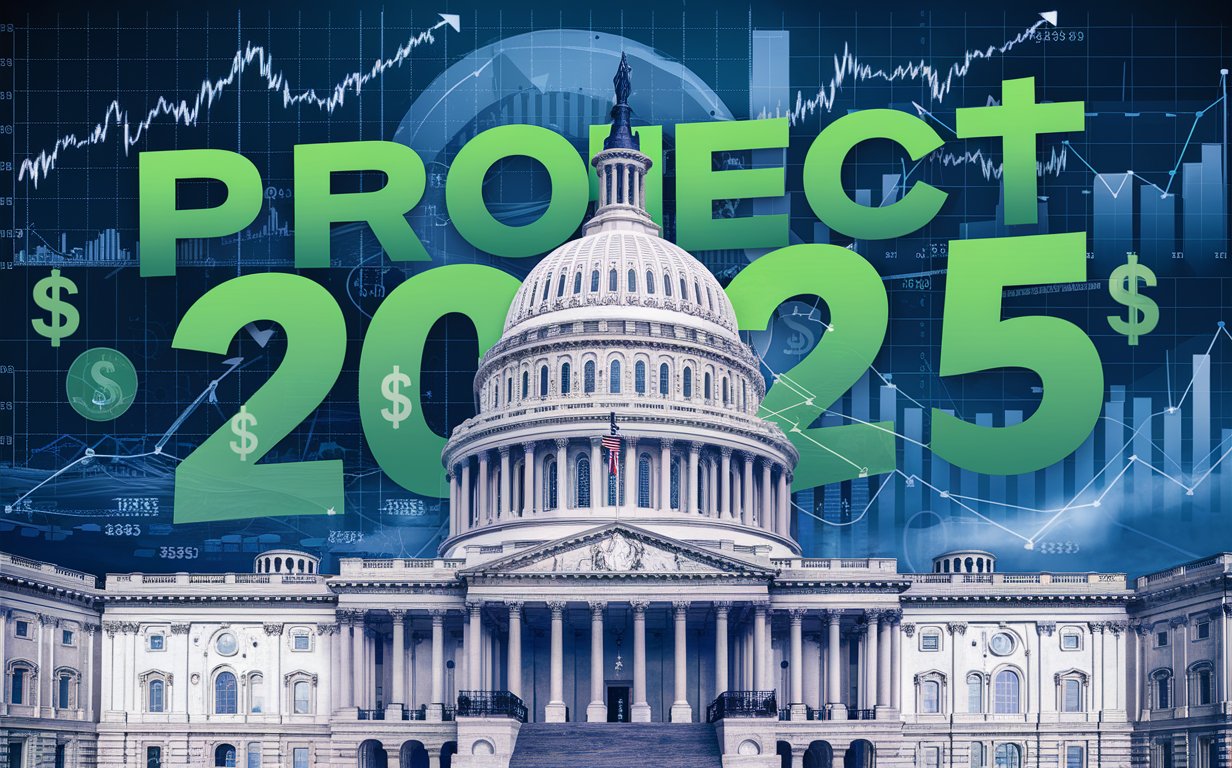
Project 2025: Impact on U.S. Taxpayers and Economy

Project 2025, a policy blueprint developed by the conservative Heritage Foundation, proposes significant changes to the U.S. tax system that could have far-reaching impacts on American taxpayers. Here are the key ways these proposed changes could affect you:

Simplified Tax Brackets

Project 2025 suggests replacing the current seven-tier tax bracket system with just two rates:

  • 15% flat tax for incomes up to approximately $168,000
  • 30% tax for earnings above $168,000[1][2]

This simplification could lead to tax increases for many low- and middle-income households, while potentially reducing taxes for high-income earners.

Changes to Deductions and Credits

The plan proposes eliminating various deductions and credits, though specific details are not provided[2]. This could result in:

  • Reduced tax benefits for homeowners, families, and individuals who currently rely on specific deductions
  • A simpler tax filing process, but potentially higher tax liabilities for those who currently benefit from multiple deductions

Corporate Tax Rate Reduction

Lowering the corporate tax rate from 21% to 18%[1]

Supporters argue this could stimulate economic growth and attract foreign investment. However, critics warn it may significantly reduce government revenue and shift the tax burden to individuals.

Capital Gains Tax Changes

The plan suggests lowering the capital gains tax to 15%[2]. This could benefit investors and high-income individuals with substantial investment income.

Elimination of Green Energy Incentives

Project 2025 proposes repealing clean energy tax breaks and “all tax increases passed as part of the Inflation Reduction Act”[1]. This could impact:

  • Individuals and businesses currently benefiting from renewable energy tax credits
  • The pace of transition to clean energy technologies

Potential Introduction of a National Sales Tax

The plan contemplates implementing a consumption-based tax system, which could:

  • Simplify the tax system and potentially encourage saving and investment
  • Disproportionately affect lower and middle-income households who spend a larger portion of their income on goods and services[1][2]

IRS Restructuring

Project 2025 proposes significant changes to the IRS, including budget cuts and increased presidential appointments within the agency[1]. This could impact:

  • The agency’s ability to enforce tax laws and collect revenue
  • The level of service and support available to taxpayers

It’s important to note that implementing these changes would require legislative approval, which could be challenging if the opposing party controls either the House or Senate[2]. Additionally, while Project 2025 provides a blueprint, it does not necessarily reflect the exact policies that would be implemented by a future Republican administration.

As with any major policy proposal, it’s crucial to stay informed about potential changes that could affect your finances and to consult with a tax professional for personalized advice based on your specific situation.

Citations:
[1] https://www.kiplinger.com/taxes/project-2025-tax-overhaul-blueprint
[2] https://www.cbsnews.com/amp/news/project-2025-tax-trump-economy-heritage-foundation-how-it-works/

Human Plague Confirmed in Pueblo County, Colorado: Causes, Symptoms, and Treatment

Colorado public health officials have confirmed a new case of human plague in Pueblo County. This rare but potentially deadly bacterial infection, caused by Yersinia pestis, has historically been infamous for causing the Black Death in the 14th century. However, modern medicine can effectively treat the disease with antibiotics if administered promptly.

Key Details

  • Location: Pueblo County, Colorado, about 100 miles south of Denver.
  • Confirmation: The case was confirmed by the Pueblo Department of Public Health and Environment.
  • Symptoms: The infected individual exhibited symptoms typical of bubonic plague, including sudden fever, chills, severe headache, muscle aches, nausea, vomiting, and swollen lymph nodes (buboes)[2][3][4].
  • Transmission: The plague is primarily transmitted through the bites of infected fleas that have fed on infected rodents, such as rats and prairie dogs. It can also spread through contact with infected animals or inhaling respiratory droplets from an infected person or animal[1][2][3].

Forms of Plague

  1. Bubonic Plague: The most common form, characterized by swollen and painful lymph nodes. It is not typically transmissible between humans.
  2. Septicemic Plague: Occurs when the bacteria enter the bloodstream, leading to severe symptoms like abdominal pain, shock, and bleeding into the skin.
  3. Pneumonic Plague: The most severe form, affecting the lungs and capable of spreading between humans through respiratory droplets[1][5].

Prevention and Treatment

  • Antibiotics: Early treatment with antibiotics is crucial for a full recovery.
  • Preventive Measures:
  • Avoid contact with wild rodents and their habitats.
  • Ensure pets are treated for fleas and kept away from rodent-infested areas.
  • Use insect repellent containing DEET when outdoors.
  • Eliminate rodent habitats around homes and avoid handling dead animals[1][2][4][5].

Historical Context and Current Incidence

  • Historical Impact: The plague caused millions of deaths during the Middle Ages but is now rare, with an average of seven cases reported annually in the U.S.
  • Current Incidence: Most cases in the U.S. occur in rural areas of the Southwest, including New Mexico, Arizona, and Colorado. Globally, the highest incidence is reported in the Democratic Republic of the Congo, Madagascar, and Peru[1][3][4].

Conclusion

While the confirmation of a human plague case in Colorado is concerning, it is important to note that the disease is treatable with prompt medical intervention. Public health officials continue to monitor and investigate the situation to prevent further spread and ensure public safety.

Citations:
[1] https://www.nbcnews.com/health/health-news/colorado-health-officials-investigating-human-case-bubonic-plague-rcna161272
[2] https://www.usatoday.com/story/news/health/2024/07/09/bubonic-plague-pueblo-county-colorado-symptoms/74336488007/
[3] https://abcnews.go.com/US/colorado-public-health-officials-confirm-human-plague-case/story?id=111792245
[4] https://thehill.com/policy/healthcare/4763660-human-plague-case-colorado/
[5] https://www.nbcbayarea.com/news/health/colorado-plague-case-confirmed-what-to-know/3588737/
[6] https://www.independent.co.uk/news/world/americas/colorado-human-plague-infection-b2577453.html
[7] https://www.washingtonpost.com/nation/2024/07/09/human-plague-treatment-symptoms-bubonic/?isMobile=1
[8] https://county.pueblo.org/public-health-department/public-health-officials-confirm-first-human-plague-case-pueblo-county
[9] https://www.usnews.com/news/health-news/articles/2024-07-10/case-of-human-plague-confirmed-in-colorado
[10] https://edition.cnn.com/2024/07/09/health/human-plague-case-colorado/index.html
[11] https://cdphe.colorado.gov/press-release/plague-activity-identified-in-colorado
[12] https://www.usatoday.com/story/news/health/2024/07/10/bubonic-plague-colorado-black-death/74352630007/

Project 2025: Conservative Policy Initiative Overview and Potential Threats

Project 2025: An Overview and Its Potential Threats

Project 2025 is a comprehensive policy initiative spearheaded by the Heritage Foundation and supported by over 100 conservative organizations. It aims to reshape the U.S. federal government significantly, consolidating executive power and implementing a far-reaching conservative agenda. The initiative is designed to be enacted swiftly should a Republican, presumably Donald Trump, win the 2024 presidential election.

Key Components and Proposals

1. Executive Power Consolidation:

  • Reclassification of Civil Servants: Project 2025 proposes reclassifying tens of thousands of federal civil service workers as political appointees. This would allow the replacement of career civil servants with individuals loyal to the administration’s policies[2].
  • Unitary Executive Theory: The project asserts that the entire executive branch is under the direct control of the president, based on Article II of the U.S. Constitution[2].

2. Economic Reforms:

  • Tax Policy: The project seeks to extend the Tax Cuts and Jobs Act of 2017, simplify individual income taxes to two brackets (15% and 30%), reduce the corporate tax rate to 18%, and impose a 15% tax on capital gains and dividends[2].
  • Federal Reserve: It proposes abolishing the Federal Reserve and advocates for a commodity-backed currency like the gold standard[2].

3. Social and Civil Policies:

  • Civil Rights: Critics argue that Project 2025 would undermine civil liberties, including the rights of women, persons of color, and the LGBTQ community[2].
  • Reproductive Rights: The project includes proposals to restrict access to reproductive care and prohibit the abortion pill[5].
  • Education: It envisions reducing the federal government’s role in education, promoting school choice, and eliminating what it calls “woke propaganda” in public schools[2].

4. Environmental and Labor Policies:

  • Climate Change: The project is criticized for its lack of concern for climate change and its intent to roll back environmental protections[1].
  • Labor Protections: It aims to cut overtime pay, relax worker safety rules, and allow more workplace discrimination[1].

Potential Threats and Criticisms

1. Undermining Democracy:

  • Authoritarianism: Critics, including legal experts and anti-authoritarian groups, argue that Project 2025 represents an authoritarian plan that could transform the U.S. into an autocracy by undermining the rule of law, separation of powers, and civil liberties[2][3].
  • Executive Overreach: The project’s emphasis on consolidating executive power and bypassing congressional approval for many actions is seen as a significant threat to democratic governance[1][2].

2. Economic and Social Impact:

  • Economic Inequality: The proposed tax reforms and deregulation could exacerbate economic inequality and increase the national debt[2].
  • Social Safety Nets: The project includes plans to dismantle social safety net programs, which could reduce food assistance for millions and cut support for veterans with disabilities[1].

3. Environmental Degradation:

  • Climate Policy: The project’s disregard for climate change and environmental protections could lead to increased pollution and long-term environmental harm[1].

Political Reactions

Donald Trump has recently attempted to distance himself from Project 2025, despite its alignment with his administration’s principles and the involvement of his former aides in its creation. This disavowal is seen by some as a strategic move to avoid alienating moderate voters and to mitigate potential backlash from the project’s controversial proposals[5][6].

Conclusion

Project 2025 represents a significant shift towards a more centralized and conservative federal government. While its proponents argue it is necessary to dismantle what they see as an unaccountable bureaucracy, critics warn that it poses severe threats to democracy, civil rights, and the environment. Understanding these threats is crucial for informed public discourse and democratic engagement.

Citations:
[1] https://democracyforward.org/the-peoples-guide-to-project-2025/
[2] https://en.wikipedia.org/wiki/Project_2025
[3] https://www.wbur.org/onpoint/2024/07/11/authoritarian-promo
[4] https://www.project2025.org
[5] https://www.theguardian.com/us-news/article/2024/jul/08/trump-project-2025
[6] https://www.nytimes.com/article/project-2025.html
[7] https://www.youtube.com/watch?v=WeMjng07qB8
[8] https://www.cbsnews.com/amp/news/what-is-project-2025-trump-conservative-blueprint-heritage-foundation/
[9] https://newrepublic.com/post/183660/project-2025-trump-ally-tom-homan-revenge-threat-deportation
[10] https://www.project2025.org/about/about-project-2025/
[11] https://www.reuters.com/world/us/trump-seeks-disavow-project-2025-despite-ties-conservative-group-2024-07-05/
[12] https://www.bbc.com/news/articles/c977njnvq2do
[13] https://www.youtube.com/watch?v=nIu5gnOX6FU
[14] https://www.npr.org/2024/07/11/nx-s1-5035272/project-2025-trump-biden-heritage-foundation-conservative
[15] https://www.msnbc.com/opinion/msnbc-opinion/project-2025-what-know-trump-president-second-term-rcna160465