Reviving Colorado: A Call for Change and Hope

Introduction: In a recent interview, Representative Scott Bottoms, a Republican candidate for governor, shared his vision for Colorado’s future. He emphasized the need for change and the importance of returning to the state’s roots of independence and prosperity. This blog post explores his insights and proposals for a brighter Colorado.

Current Challenges in Colorado: Representative Bottoms highlighted the increasing control by leftist policies, which he believes are detrimental to the state’s growth and prosperity . He pointed out the financial strain caused by unnecessary spending and the need for budget cuts to redirect funds to more critical areas .

Vision for Change: Bottoms advocates for a return to common-sense policies that prioritize the needs of Colorado’s residents over political agendas . He stresses the importance of empowering small businesses and reducing the regulatory burden on housing developers .

Community and Economic Development: Emphasizing the need for affordable housing, Bottoms criticizes the current policies that hinder home builders . He also calls for a focus on revitalizing Colorado’s cities and rural areas, ensuring they remain attractive and livable .

Political Strategy and Engagement: Bottoms encourages political engagement and transparency, urging citizens to stay informed and involved in state governance . He believes in the power of grassroots movements to bring about meaningful change .

Supporting Statistics:

  • Educational Attainment: For Colorado, the percentage of people reporting graduating from High School increased from 90.7% in 2011-2015 to 92.1% in 2016-2020 . The percentage of the population 25 or older with a bachelor’s degree or higher increased from 38.1% in 2011-2015 to 41.6% in 2016-2020 .
  • Homelessness: The most recent Point-in-Time Count found that 2,210 people (both adults and children) were experiencing homelessness on the night of the count .
  • Population: Colorado is home to a population of 5.81 million people, with 95% being citizens . As of 2023, 9.51% of Colorado residents were born outside of the country .

Conclusion: Representative Scott Bottoms’ campaign is built on the promise of restoring Colorado’s independence and prosperity. By addressing current challenges and proposing practical solutions, he aims to create a state where residents can thrive. As the gubernatorial race heats up, Bottoms’ vision offers a hopeful alternative for Colorado’s future.

Call to Action: Stay informed about the developments in Colorado’s political landscape. Visit Representative Bottoms’ campaign website to learn more about his policies and how you can get involved in shaping the state’s future .


: From your document. : New Statistics About Colorado’s Communities were Released March 17th from the American Community Survey 2016-2020. : A snapshot of homelessness through Colorado’s Point-in-Time Count. : Colorado – Data USA.View of Rocky Mountain National Park in summer.Vision for Change: – Bottoms advocates for a return to common-sense policies that prioritize the needs of Colorado’s residents over political agendas【4:5†source】. – He stresses the importance of empowering small businesses and reducing the regulatory burden on housing developers【4:18†source】. – Community and Economic Development: – Emphasizing the need for affordable housing, Bottoms criticizes the current policies that hinder home builders【4:18†source】. – He also calls for a focus on revitalizing Colorado’s cities and rural areas, ensuring they remain attractive and livable【4:12†source】. – Political Strategy and Engagement: – Bottoms encourages political engagement and transparency, urging citizens to stay informed and involved in state governance【4:16†source】. – He believes in the power of grassroots movements to bring about meaningful change【4:13†source】.  Conclusion: Representative Scott Bottoms’ campaign is built on the promise of restoring Colorado’s independence and prosperity. By addressing current challenges and proposing practical solutions, he aims to create a state where residents can thrive. As the gubernatorial race heats up, Bottoms’ vision offers a hopeful alternative for Colorado’s future.  Call to Action: Stay informed about the developments in Colorado’s political landscape. Visit Representative Bottoms’ campaign website to learn more about his policies and how you can get involved in shaping the state’s future【4:10†source】. This blog post can be published on WordPress by copying the content into the WordPress editor, adding relevant images, and formatting it to fit your site’s style.

You can publish this blog post on WordPress by copying the content into the WordPress editor, adding relevant images, and formatting it to fit your site’s style. If you need any further assistance, feel free to ask! 😊
Colorado Front Range Wildfires Update: August 1, 2024

Latest Updates on the Colorado Front Range Wildfires

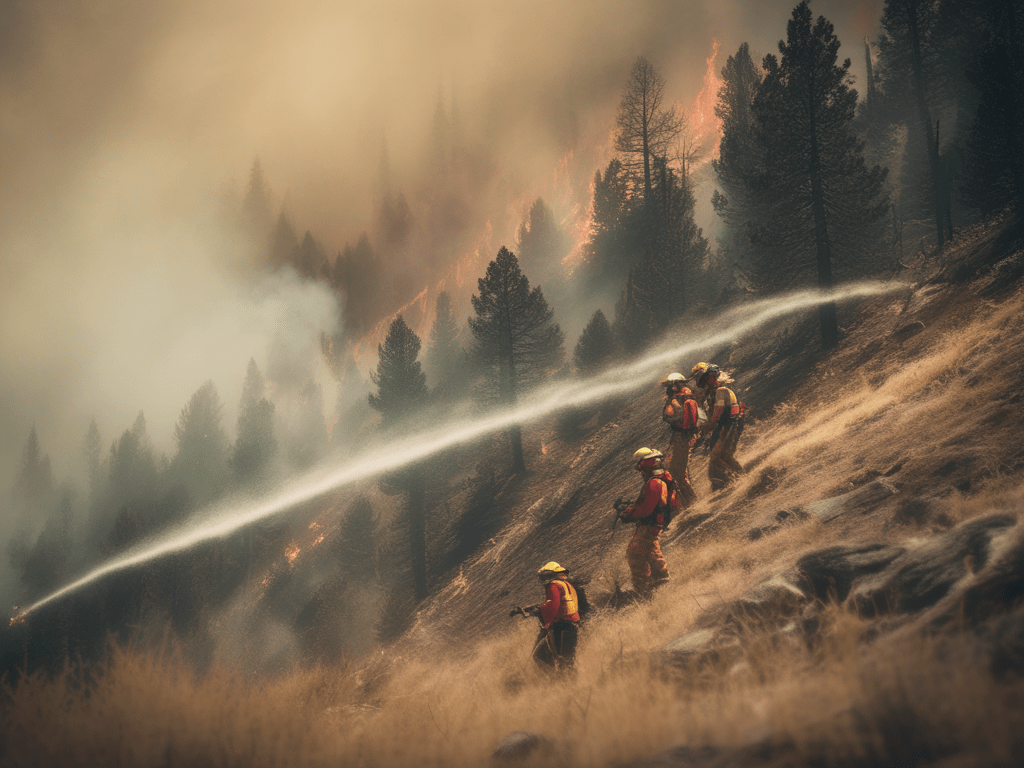
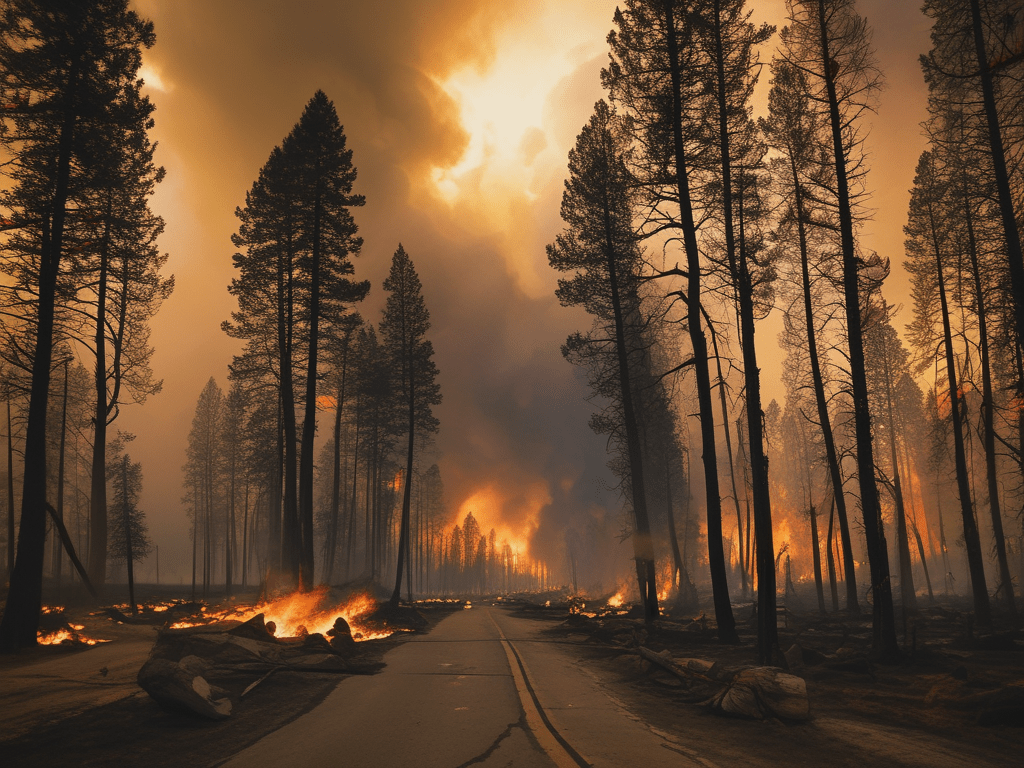
As of August 1, 2024, four significant wildfires are burning along Colorado’s Front Range, causing widespread evacuations, destruction, and one confirmed fatality. The fires are exacerbated by hot, dry, and windy conditions, making containment efforts challenging.

Current Wildfires

  1. Stone Canyon Fire
  • Location: Boulder and Larimer counties, near Lyons.
  • Status: 20% contained.
  • Impact: One person killed, at least two homes destroyed, and five structures affected.
  • Resources: Approximately 70 firefighters are working on containment.
  • Challenges: Difficult terrain and adverse weather conditions.
  1. Alexander Mountain Fire
  • Location: Larimer County, near Loveland.
  • Status: 1% contained.
  • Impact: Thousands evacuated, no structures reported destroyed.
  • Resources: Around 270 firefighters, including numerous aviation assets.
  • Challenges: Steep and rugged terrain.
  1. Quarry Fire
  • Location: Jefferson County, near Deer Creek Canyon.
  • Status: 0% contained.
  • Impact: 575 homes evacuated, no structures reported destroyed.
  • Resources: Local firefighting units and aerial support.
  • Challenges: Rapid growth due to windy conditions and proximity to populated areas.
  1. Lake Shore Fire
  • Location: Boulder County, around Gross Reservoir.
  • Status: 0% contained.
  • Impact: Evacuations in place, human-caused but not believed to be intentional.
  • Resources: Local firefighting units and ongoing investigations.
  • Challenges: Dry conditions and limited resources.

Containment Efforts and Challenges

  • Weather Conditions: The region is experiencing a heatwave with dry and windy conditions, complicating firefighting efforts. Temperatures are expected to remain high, with potential thunderstorms later in the week that could bring both relief and new challenges due to lightning.
  • Resource Allocation: Governor Jared Polis has authorized the deployment of the Colorado National Guard and requested federal assistance to support firefighting efforts. There is a struggle to secure enough resources as multiple fires are burning across the Western United States.
  • Investigation: Colorado’s newly expanded wildfire investigations team is actively looking into the causes of the fires, particularly the Stone Canyon Fire, with the help of advanced investigative techniques and resources.

Community Impact

  • Evacuations: Thousands of residents have been evacuated from their homes across the affected areas. Emergency shelters and resources are being provided to those displaced.
  • Fatality and Injuries: One person has been confirmed dead in the Stone Canyon Fire, and four firefighters have been injured.
  • Property Damage: Several homes and structures have been destroyed or damaged, with ongoing assessments to determine the full extent of the damage.

Looking Ahead

  • Weather Forecast: Cooler and wetter conditions are expected early next week, which should aid in slowing the fires’ growth and assist containment efforts.
  • Continued Efforts: Firefighters will continue to work around the clock to contain the fires, with additional resources being mobilized as needed.

The situation remains dynamic, and residents are urged to stay informed through local news and official channels for the latest updates and evacuation orders.

Citations:
[1] https://www.washingtonpost.com/nation/2024/08/01/colorado-wildfires-front-range/
[2] https://www.cpr.org/2024/07/31/colorado-wildfire-investigations-team-stone-canyon-fire/
[3] https://www.denverpost.com/2024/08/01/colorado-wildfires-lake-shore-quarry-stone-canyon-alexander-mountain/
[4] https://www.denver7.com/news/wildfire/heres-the-latest-on-the-3-major-wildfires-burning-on-colorados-front-range
[5] https://www.colorado.edu/today/2024/08/01/supporting-our-campus-through-wildfire-recovery
[6] https://www.denverpost.com/2024/07/31/colorado-wildfires-alexander-mountain-stone-canyon/
[7] https://abcnews.go.com/US/wireStory/human-remains-found-house-destroyed-colorado-wildfire-112445768
[8] https://coloradonewsline.com/briefs/3-wildfires-colorado-front-range/

U.S. Wildfire Crisis 2024: Facts, Figures, and Current Status

2024 U.S. wildfire season has already been active, with several significant fires burning across the country.  

1. National Fire News | National Interagency Fire Center

Source icon

www.nifc.gov

Data from the National Interagency Fire Center (NIFC) shows that as of July 29, 2024, there have been 27,110 wildland firefighters and support personnel assigned to wildfires nationwide, including 28 complex and 6 Type 1 incident management teams, 604 crews, 1,625 engines, numerous aviation resources, and four Modular Airborne Fire Fighting Systems, or MAFFS.  

1. www.nifc.gov

www.nifc.gov

2. National Interagency Fire Center: Welcome to the Nation’s Logistical Support Center

Source icon

www.nifc.gov

Here are some key details about the 2024 wildfire season so far:

For more information, please visit the following resources:

Alexander Mountain Fire: Evacuation Orders, Centers, and Safety Guidelines

Alexander Mountain Fire in Northern Colorado

Current Status

The Alexander Mountain Fire, located west of Loveland in northern Colorado, has rapidly expanded and now covers approximately 950 acres as of the latest reports. The fire, which began in the Roosevelt National Forest, has prompted mandatory evacuations due to its swift growth and potential danger to nearby communities.

Evacuation Orders

Mandatory evacuations have been issued for several areas, including:

  • Residents from Drake to The Dam Store along Highway 34
  • Areas around Storm Mountain and Palisade Mountain
  • Waltonia Road, Sylvan Dale to Ellis Ranch, and Eden Valley to Sunrise Ranch
  • Bobcat Ridge and Flatiron Reservoir areas

Voluntary evacuations are in effect for:

  • County Road 86C north of Rustic
  • Glade Road from Highway 34 to Indian Creek
  • County Road 18E from County Road 31 to County Road 29

Residents in these areas are advised to gather essential items and prepare for immediate evacuation if necessary[1][2][4].

Evacuation Centers

Evacuation centers have been set up at:

  • Namaqua Elementary School, 209 N. Namaqua Ave., Loveland, CO 80537
  • Estes Park Events Complex, 1125 Rooftop Way, Estes Park, CO 80517

For those with large animals, the designated evacuation site is The Ranch Events Center, 5400 Arena Circle, Loveland, CO 80538. Small animals and pets can be taken to the NOCO Humane Society, 3501 E. 71st Street, Loveland, CO 80538[4][7].

Firefighting Efforts

Firefighting teams, including air support, have been deployed to control the blaze. The U.S. Forest Service has been actively mapping the fire to provide accurate size estimates and coordinate efforts effectively. As of the latest updates, the fire’s size has been estimated to range between 247 and 950 acres due to varying reports and ongoing assessments[1][3][5].

Air Quality and Health Advisories

An air quality alert has been issued for southeastern Larimer County, including Loveland, Windsor, Severance, and south Fort Collins, due to heavy smoke from the fire. Residents, especially those with heart or respiratory conditions, are advised to stay indoors if visibility drops below five miles, indicating unhealthy levels of smoke[5].

Additional Information

Residents can receive real-time updates by texting LCEVAC to 888-777. For more detailed evacuation maps and further instructions, visit the Larimer County Sheriff’s Office social media channels and the NOCO Alert website[4][6].

Stay safe and follow all evacuation orders and advisories from local authorities to ensure your safety and the safety of your community.

Citations:
[1] https://www.usatoday.com/story/news/nation/2024/07/29/colorado-fire-map-loveland/74592751007/
[2] https://www.yahoo.com/news/live-updates-fire-west-loveland-184223072.html
[3] https://www.denver7.com/news/local-news/photos-show-magnitude-of-alexander-mountain-fire-burning-west-of-loveland
[4] https://www.denver7.com/news/wildfire/mandatory-evacuations-issued-for-parts-of-larimer-county-as-wildfire-burns-near-drake
[5] https://www.denverpost.com/2024/07/29/alexander-mountain-wildfire-larimer-county-mandatory-evacuation/
[6] https://www.newsweek.com/latimer-wildfire-colorado-evacuations-map-1931671
[7] https://eu.coloradoan.com/story/news/2024/07/29/evacuation-centers-for-large-animals-people-in-alexander-mountain-fire/74594602007/
[8] https://coloradosun.com/2024/07/29/wildfire-larimer-county-mandatory-evacuations/
[9] https://www.cpr.org/2024/07/29/storm-mountain-wildfire-evacuations/
[10] https://www.denverpost.com/2024/07/29/photos-alexander-mountain-fire-loveland/
[11] https://www.cbsnews.com/colorado/news/mandatory-evacuations-ordered-wildfire-storm-mountain-larimer-county/
[12] https://www.reporterherald.com/2024/07/29/wildfire-west-of-loveland-prompts-evacuation-orders/
[13] https://eu.coloradoan.com/story/news/2024/07/29/updates-on-the-alexander-mountain-fire-west-of-loveland-colorado/74591871007/
[14] https://kdvr.com/news/local/wildfire-reported-west-of-sylvandale-ranch-near-highway-34/
[15] https://www.newsnationnow.com/us-news/west/live-updates-800-acre-wildfire-growing-west-of-sylvan-dale-ranch-near-highway-34/
[16] https://www.kktv.com/video/2024/07/29/watch-alexander-mountain-fire-burning-southwest-fort-collins-729-140-pm-update/

Colorado’s Evolving Wildfire Suppression Strategies

Changes in Fire Suppression in Colorado

As wildfire haze continues to affect Denver, it’s important to understand the evolving strategies in fire suppression that Colorado has adopted over the years. These changes reflect a broader shift in wildfire management, balancing ecological needs with public safety.

Historical Context

For much of the 20th century, wildfire suppression in the United States, including Colorado, was focused on extinguishing all fires as quickly as possible. This approach was driven by the fear of uncontrollable and destructive fires, such as the Great Fire of 1910. However, by the 1960s, ecological studies began to highlight the importance of fire as a natural process essential for the health of many ecosystems. This led to a gradual shift in policy from complete suppression to fire management, allowing some fires to burn under controlled conditions to promote ecological balance[4].

Modern Fire Suppression Techniques

Today, Colorado employs a variety of modern fire suppression techniques:

  1. Controlled Burns: Also known as prescribed burns, these are intentionally set and carefully managed fires that reduce the buildup of combustible vegetation. This method is considered one of the most effective ways to prevent larger, more destructive wildfires. However, controlled burns are often limited by strict regulations, public resistance, and erratic weather conditions, which can make them difficult to execute safely[3].
  2. Mechanical Thinning: This involves the physical removal of trees and other vegetation to reduce fuel loads. This method is often used in conjunction with controlled burns to manage fire risk in forests and grasslands.
  3. Artificial Intelligence (AI) Technology: Colorado has started integrating AI into its wildfire detection and management systems. For example, the Telluride Fire Protection District has partnered with Pano AI to use high-definition, 360-degree cameras and satellite data to detect fires early and respond more effectively[7].

Challenges and Adaptations

Despite these advancements, Colorado faces significant challenges in wildfire management:

  • Regulatory Hurdles: Conducting controlled burns requires navigating a complex web of regulations and obtaining permits, which can vary across the state’s 64 counties. These regulations are designed to prevent air quality violations and ensure public safety but can also delay critical fire prevention efforts[3].
  • Climate Change: Increasingly severe weather patterns, driven by climate change, have made wildfires more frequent and intense. This has necessitated more adaptive and proactive fire management strategies[3].
  • Public Resistance: Past incidents, such as the Lower North Fork Fire in 2012, which resulted in fatalities and property loss, have led to public skepticism about the safety of controlled burns. This resistance can hinder efforts to implement these crucial fire management practices[3].

Current Situation in Denver

The recent haze over Denver, caused by wildfire smoke from the Pacific Northwest and Canada, underscores the ongoing wildfire risk. The smoke has significantly reduced air quality, prompting health warnings and advisories for residents to limit outdoor activities[1][2][6]. This situation highlights the importance of effective wildfire management and the need for continued innovation in fire suppression techniques.

In conclusion, Colorado’s approach to wildfire suppression has evolved significantly, incorporating controlled burns, mechanical thinning, and advanced technologies like AI. These methods aim to balance ecological health with public safety, addressing the increasing challenges posed by climate change and regulatory constraints.

Citations:
[1] https://www.cbsnews.com/colorado/news/wildfire-smoke-denver-colorado-hazy-skies-air-quality/
[2] https://www.cpr.org/2024/07/25/haze-and-wildfire-smoke-in-colorado-clearing/
[3] https://www.propublica.org/article/colorado-wildfires-controlled-burns-marshall-fire
[4] https://en.wikipedia.org/wiki/History_of_wildfire_suppression_in_the_United_States
[5] https://www.yahoo.com/news/wildfire-haze-lingers-over-denver-233825404.html
[6] https://coloradonewsline.com/briefs/wildfire-smoke-smog-denver/
[7] https://www.denverpost.com/2023/03/23/artificial-intelligence-ai-wildfire-colorado-detect/
[8] https://www.cpr.org/2024/07/22/colorado-front-range-haze-smoke-ozone-wildfires/
[9] https://www.cbsnews.com/colorado/news/wildfire-smoke-returns-colorado/