Deceptive Pricing Practices: A Retail Analysis

Key Points
Research suggests deceptive pricing, like misleading discounts, is fairly common in retail, especially in grocery stores.
Studies show pricing errors occur in about 3-4% of transactions, with overcharges less frequent than undercharges.
Legal cases and consumer reports indicate deceptive practices are prevalent, particularly in certain regions like California.
There is controversy, with retailers disputing claims and unions advocating for better oversight.
Prevalence in Retail
It seems likely that deceptive pricing practices, such as overcharging or misleading discounts, are relatively common in retail, particularly in high-volume sectors like grocery stores. Studies on pricing accuracy suggest that while overall error rates are around 3-4%, intentional deceptive practices like fake discounts are harder to quantify but appear significant based on consumer complaints and legal actions. For example, a 2022 study by Consumers’ Checkbook found most “discounts” at major retailers were misleading, not genuine .
Regional and Industry Variations
The evidence leans toward deceptive pricing being more common in certain regions, with 64.8% of U.S. cases since 2014 in California, and states like New Jersey and Oregon also seeing frequent issues. It’s not limited to groceries; retailers like Walmart have faced lawsuits for overcharging, suggesting a broader industry trend .
Controversy and Consumer Impact
There’s debate, with retailers like Kroger disputing claims of systemic issues, while unions like UFCW Local 7 argue understaffing exacerbates pricing errors. This affects consumers, especially during inflation, with reports of overcharges averaging 18.4% per item in some cases, highlighting the need for vigilance .
Investigation into the Prevalence of Deceptive Pricing in Retail as of May 21, 2025
This report provides a comprehensive examination of the prevalence of deceptive pricing in the retail industry, focusing on practices such as misleading discounts, overcharging, and incorrect shelf tags, as highlighted by recent investigations into Kroger-owned King Soopers and broader retail trends. The analysis integrates findings from academic studies, consumer reports, legal cases, and industry insights, offering a detailed understanding of the issue as of the current date.
Context and Background
Deceptive pricing refers to intentional practices where retailers mislead consumers into believing they are getting a better deal than they actually are, often through tactics like fake discounts, bait-and-switch schemes, or overcharging at checkout compared to advertised prices. This issue gained attention with an X post from UFCW Local 7 on May 15, 2025, titled “Investigation Confirms Kroger-owned King Soopers’ Chronic Understaffing of Stores Has Led to Deceptive Pricing for Consumers” . The post detailed how understaffing led to pricing discrepancies, violating Colorado consumer protection laws, and is part of broader labor disputes, including strike authorizations and lawsuits by the Colorado Attorney General.
King Soopers, operating in Colorado and Wyoming, is a subsidiary of Kroger, with UFCW Local 7 representing over 15,000 workers. The union has linked understaffing to operational challenges like expired sales tags, confirmed by Consumer Reports’ findings since January 2025, which found overcharges averaging 18.4% per item due to pricing errors Kroger Stores Overcharging Shoppers.
Prevalence of Pricing Errors and Deceptive Practices
Research on pricing accuracy in retail, particularly in grocery stores using scanners, provides insight into the frequency of pricing errors. A 1998 study by Clodfelter, published in the International Journal of Retail & Distribution Management, checked 146,518 items in over 2,000 stores across nine states and found a price accuracy rate of 96.13%, implying a 3.87% error rate. It noted that undercharges occurred more frequently than overcharges, with grocery stores showing higher accuracy compared to other retail stores . Another study, also from Emerald Insight, examined pricing accuracy over a four-year period and reported an error rate of 3.86%, with overcharges at 1.65% and undercharges at 2.21% . A ScienceDirect study over 15 years found similar low error rates but emphasized their impact on consumer trust .
While these studies focus on accidental errors, deceptive pricing involves intentional tactics. A 2022 report by Consumers’ Checkbook, cited by Darrow.ai, tracked sale prices at 24 major retailers for 33 weeks and found that most “discounts” were misleading, not genuine, suggesting deceptive pricing is more common than realized . Brain Corp’s recent analysis indicated over half of all stores had mismatches between labeled and scanned prices, with independent retailers at 69%, and cited a case where a major retailer faced an $850,000 settlement in Wisconsin for overcharging .
Specific Cases and Legal Actions
Legal cases underscore the prevalence of deceptive pricing. For instance, a 2022 lawsuit against Walmart in Niles, Illinois, alleged overcharging by 10-15% on certain items, indicating a broader trend Kroger accused of price discrepancies. Darrow.ai noted that 64.8% of U.S. deceptive pricing cases since 2014 were in California, with common states including New Jersey, Oregon, Washington, and Illinois. A specific example is Michelle Cortez Gomez vs. Kohl’s, a class action in Wisconsin for misleading reference prices, with a 29-page complaint detailing the issue . Another case involved an international tourist attraction operator affecting 330,000 victims, resulting in $16.5 million in damages, highlighting the scale of impact.
Consumer complaints and reviews further corroborate this. Platforms like WorthEPenny and PissedConsumer reported issues at King Soopers, with customers noting overcharges requiring returns to customer service, and one review mentioning a rat in the pharmacy area, indicating broader operational issues (Check King Soopers Ratings, 321 King Soopers Reviews).
Industry-Wide Trends and Regional Variations
Deceptive pricing is not limited to grocery stores. Online retailers also face issues, with pricing glitches due to technical errors or human mistakes, as seen in examples like Amazon’s 2014 glitch listing products for $0.01 . The practice exploits psychological triggers like scarcity and loss aversion, occurring in both brick-and-mortar and e-commerce, often more frequent than realized .
Regionally, California’s high case rate suggests a concentration, but state laws vary in enforcement. Michigan offers a 10x bonus for overcharges, New Jersey fines $50-$100 per violation, and Connecticut requires refunds of overcharges or $20, whichever is greater, reflecting efforts to combat deceptive pricing (The Price Must Be Right, US Retail Pricing Laws, Michigan Pricing Laws, New Jersey Pricing Compliance, Connecticut Pricing Statutes).
Impact on Consumers and Retailers
Deceptive pricing affects consumers, especially during inflation, with Consumer Reports finding overcharges averaging $1.70 per item, or 18.4%, impacting shoppers on fixed incomes Kroger Stores Overcharging Shoppers. For retailers, it can lead to fines, as seen in New Jersey (up to $100 per incorrectly marked item) and North Carolina (up to $5,000 per violation), and damage to reputation (The Price Must Be Right, North Carolina Pricing Laws).
Table: Summary of Key Findings on Pricing Errors and Deceptive Practices
Aspect
Details
Study Source
Clodfelter (1998), Emerald Insight, ScienceDirect, Brain Corp
Pricing Error Rate
3-4%, with overcharges at 1.65-2%, undercharges more frequent
Deceptive Pricing Prevalence
Consumers’ Checkbook (2022): Most discounts misleading at 24 retailers
Legal Cases
64.8% in California since 2014, e.g., Walmart, Kohl’s lawsuits
State Fines
Michigan: 10x bonus; NJ: $50-$100 per violation; NC: up to $5,000
Consumer Impact
Overcharges average 18.4%, affecting fixed-income shoppers
Union Advocacy and Broader Implications
UFCW Local 7’s X post emphasized their role in advocating for workers and consumers, demanding accountability from Kroger and King Soopers . They highlighted ongoing labor disputes, including a strike authorization and lawsuit by the Colorado Attorney General, noting Kroger’s $2 billion profits while cutting jobs and hours, exacerbating understaffing. The proposed Kroger-Albertsons merger raises concerns, with fears of further consolidation worsening pricing and staffing issues.
Comparative Analysis
This issue isn’t unique to Kroger; a 2022 lawsuit against Walmart in Niles, Illinois, alleged overcharging by 10-15%, indicating a broader trend in U.S. grocery chains Kroger accused of price discrepancies. Consumer advocate Edgar Dworsky emphasized shoppers’ reliance on accurate shelf prices, calling it a “big problem” Kroger Stores Overcharging Shoppers.
Conclusion
The evidence suggests deceptive pricing is a significant and fairly common issue in retail, with pricing errors occurring in about 3-4% of transactions and intentional deceptive practices like misleading discounts being prevalent, especially in grocery stores and certain regions like California. While retailers dispute systemic issues, consumer reports and legal actions highlight the need for transparency and accountability. This issue, part of broader industry trends, underscores the importance of consumer vigilance and regulatory enforcement to protect shoppers.
Key Citations
Pricing Accuracy at Grocery Stores and Other Retail Stores Using Scanners
An Examination of Pricing Accuracy at Retail Stores That Use Scanners
The Accuracy of Scanned Prices
The Price Must Be Right: Your Guide to Legal Price Compliance in Retail
Deceptive Pricing: How to Spot It & Fight Back
Deceptive Pricing Overview and Legal Impact
Kroger Stores Overcharging Shoppers on Sale Items, CR Price Check Finds
Kroger Accused of Price Discrepancies by Consumer Reports
Check King Soopers Ratings and Customer Reviews
321 King Soopers Reviews at PissedConsumer
US Retail Pricing Laws and Regulations by State
Michigan Retail Pricing Laws and Regulations
New Jersey Retail Pricing Compliance Information
Connecticut General Statutes on Consumer Protection Pricing
North Carolina Retail Pricing Statutes
UFCW Local 7 Investigation Confirms Kroger-owned King Soopers’ Chronic Understaffing
What are Pricing Errors? Common Causes and Examples

Ca-AKG: Promoting Longevity and Bone Health

Key Points

  • Research suggests Ca-AKG, or Calcium Alpha-Ketoglutarate, supports bone health and may enhance endurance.
  • It seems likely that Ca-AKG promotes longevity by aiding cellular processes, though more human studies are needed.
  • The evidence leans toward Ca-AKG having antioxidant properties, potentially benefiting heart and brain health.
  • Benefits are most notable for aging adults, but consult a healthcare provider before use, especially for pregnant or nursing individuals.

What is Ca-AKG?

Ca-AKG, or Calcium Alpha-Ketoglutarate, is a dietary supplement that combines calcium with alpha-ketoglutarate (AKG), a compound naturally produced by the body and essential for the Krebs cycle, which supports cellular energy production. AKG levels decline significantly after age 40, making supplementation a potential strategy for health support, especially in aging adults.

Benefits

Research suggests Ca-AKG offers several potential benefits:

  • Bone Health: It may improve bone density and support repair by enhancing collagen synthesis and calcium absorption, potentially preventing osteoporosis.
  • Endurance and Muscle Health: It could optimize energy production and muscle recovery, beneficial for athletes and those recovering from surgery.
  • Longevity: Studies, mainly in animals, indicate it may slow aging by reducing inflammation and supporting mitochondrial health, with some human data suggesting delayed biological aging.
  • Antioxidant Effects: It may neutralize harmful compounds, supporting heart and brain health by reducing oxidative stress.
  • Other Areas: Potential benefits include improved kidney function, though more research is needed for confirmation.

Safety and Usage

Ca-AKG is generally considered safe for up to 3 years at doses of 300mg to 1000mg daily, but it’s not recommended for pregnant or nursing women due to limited safety data. Always consult a healthcare provider before starting, especially if you have health conditions or take medications.


Survey Note: Comprehensive Analysis of Ca-AKG and Its Benefits

This note provides a detailed examination of Calcium Alpha-Ketoglutarate (Ca-AKG), its composition, and the breadth of its potential benefits, drawing from multiple reputable sources to ensure a comprehensive understanding. The information is organized to reflect both general insights and specific findings, catering to readers seeking a deep dive into the topic.

Introduction to Ca-AKG

Ca-AKG is a dietary supplement formed by combining calcium with alpha-ketoglutarate (AKG), a naturally occurring metabolite critical to the Krebs cycle, also known as the citric acid cycle. This cycle is vital for cellular energy production, and AKG plays a key role in energy metabolism, amino acid synthesis, and epigenetic regulation. The body produces AKG, but its levels decline significantly with age, dropping by nearly 90% from age 40 to 80, making supplementation particularly relevant for older adults. Ca-AKG is often used in sports nutrition and bodybuilding due to its stability and potential health benefits.

Detailed Benefits of Ca-AKG

The potential benefits of Ca-AKG span multiple health domains, supported by various studies, though much of the evidence comes from animal models, with human studies still emerging. Below, we outline the key areas:

Bone Health

Ca-AKG is noted for its role in supporting bone health, particularly in aging populations. It enhances bone formation and repair by aiding collagen synthesis, a key protein for bone structure, and improving calcium absorption. Studies have shown:

Endurance and Muscle Health

Ca-AKG may enhance physical performance and muscle recovery, making it appealing for athletes and individuals recovering from surgery or trauma. It optimizes energy production in the Krebs cycle and supports amino acid synthesis for muscle repair:

Longevity and Anti-Aging

One of the most promising areas for Ca-AKG is its potential to promote longevity and combat age-related decline. It aids cellular detoxification, supports mitochondrial health, and may influence gene expression and epigenetic modulation:

Antioxidant Properties

Ca-AKG exhibits antioxidant properties, neutralizing reactive oxygen species (ROS) and supporting glutathione production, a potent antioxidant:

Cardiovascular and Brain Health

Ca-AKG may support cardiovascular and brain health by improving antioxidant status and reducing oxidative stress:

Renal Function

For individuals with chronic renal failure, Ca-AKG may enhance kidney function and nutrition:

Skin Integrity

Ca-AKG promotes healthy, young-looking skin by boosting collagen and protein production, supporting epidermal integrity:

Safety, Dosage, and Usage Considerations

Safety profiles and usage guidelines are crucial for informed supplementation:

Methods to Enhance AKG Levels

Beyond supplementation, other methods can enhance AKG levels:

Regulatory Status and Monitoring

Comparative Analysis with Other Forms

Summary Table of Key Benefits and Evidence

To organize the information, here is a table summarizing the key benefits and supporting evidence:

Benefit AreaDescriptionSupporting Evidence
Bone HealthEnhances bone density, supports repair, prevents osteoporosis2% bone density increase in postmenopausal women, increased bone mass in mice (Rescence, AgeMate)
Endurance and Muscle HealthImproves performance, muscle recovery, reduces loss post-traumaStimulates protein synthesis, inhibits degradation, beneficial for athletes (AgeMate, WebMD)
Longevity and Anti-AgingDelays aging, reduces inflammation, extends lifespanLifespan extension in mice, 8-year delay in human biological aging (Rescence, AgeMate)
Antioxidant PropertiesNeutralizes ROS, supports glutathione productionMitigates oxidative stress, protects against cellular damage (Rescence)
Cardiovascular HealthImproves blood vessel elasticity, reduces heart risksIncreased antioxidant status in mice (Rescence)
Brain HealthSupports memory, neurotransmission, mitigates oxidative stressEnhanced awareness post-stroke, supports cognitive function (Rescence)
Renal FunctionEnhances kidney function, improves lab results for hemodialysis patientsSupports nutrition in chronic renal failure (Rescence, WebMD)
Skin IntegrityPromotes healthy epidermis, boosts collagen productionEnhances skin health, reduces aging signs (Rescence)

Conclusion

Ca-AKG presents a promising supplement for supporting bone health, endurance, longevity, and other health aspects, particularly for aging adults. While much evidence comes from animal studies, emerging human data suggest significant potential, especially in delaying biological aging and improving quality of life. Users should approach supplementation with caution, consulting healthcare providers to ensure safety and appropriateness, especially given the lack of data for certain populations like pregnant or nursing women.

Key Citations

The Great Reunion Recipe Book

The Johnson family had always been close, but life had a way of scattering them like seeds in the wind. Over the years, jobs, schools, and new adventures took them to different corners of the country. There were phone calls and video chats, but it wasn’t the same as gathering around Grandma Ruby’s big oak dining table for a family meal.

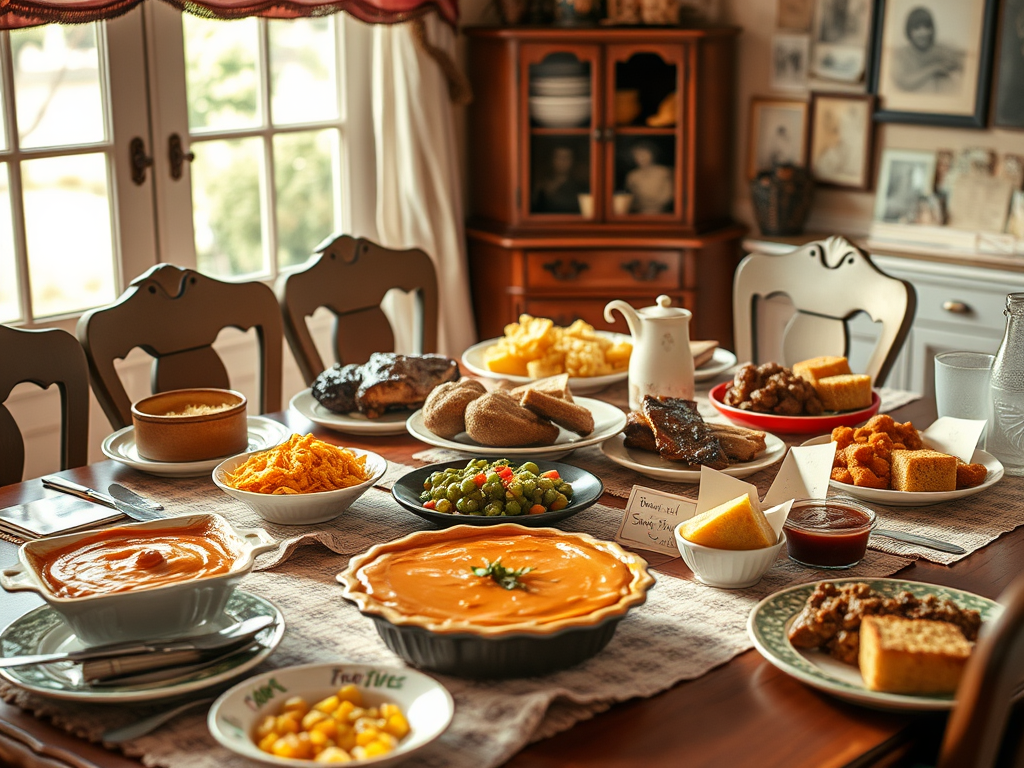
One rainy afternoon, Sarah, the youngest of the Johnson siblings, was flipping through her grandmother’s old recipe box. The familiar handwriting on the yellowed cards brought back memories of Sunday dinners and holiday feasts. She smiled as she pulled out a card labeled “Ruby’s Famous Sweet Potato Pie.”

“This pie could bring people together,” Sarah said to herself, an idea sparking in her mind.

She grabbed her phone and called her older brother, Marcus, who lived three states away. “What if we made a family recipe book?” she suggested. “We could each contribute our favorite dishes and memories. It’d be like bringing us all back to the table.”

Marcus loved the idea. “Let’s do it,” he said. “But only if I get to write about Dad’s barbecue ribs. No one else is allowed to claim that one.”

Collecting the Recipes

Sarah sent an email to the entire family, explaining her idea. The responses came in quickly.

“Aunt Lila here! Count me in—I’ll send my secret gumbo recipe.”

“Don’t forget Grandpa’s cornbread!” replied Uncle Joe.

Even the younger cousins, who were just learning to cook, wanted to contribute. “I’ll share my chocolate chip cookie recipe!” wrote Emma, a teenager with a budding passion for baking.

Sarah created a shared folder online where everyone could upload their recipes and photos of their dishes. But as the recipes came in, something unexpected happened: the family started sharing stories too. Each recipe was accompanied by memories—funny, heartfelt, or nostalgic.

Aunt Lila’s gumbo came with a story about how it saved a rainy family camping trip. Grandpa’s cornbread brought back tales of him singing old folk songs while cooking. Sarah laughed as Marcus described the “Great Rib War” of 1998, when their dad and Uncle Joe had a heated debate over the best barbecue sauce.

Bringing the Book to Life

As the recipes and stories piled up, Sarah realized the project was about more than food. It was about reconnecting. Late-night phone calls turned into brainstorming sessions about the layout. Cousins who hadn’t spoken in years bonded over shared memories of favorite dishes.

The family decided to call the book “The Great Reunion Recipe Book” and added a special subtitle: “Recipes and Memories from the Johnson Table.”

They worked together to design the book, with each family member assigned a role. Emma, the teenage baker, took charge of the cover design, creating a vibrant collage of family photos and handwritten recipe snippets. Uncle Joe, who had a knack for storytelling, wrote the introduction:

“Our family may be spread across the map, but our hearts have always been connected by the meals we’ve shared. This book is a celebration of those moments and a promise that no matter how far we roam, we’ll always have a place at the table.”

A Virtual Feast

When the book was finally complete, Sarah organized a virtual family reunion to unveil it. Everyone cooked a dish from the book and shared it on the video call. Laptops and phones around the country showed steaming plates of gumbo, golden cornbread, ribs dripping with sauce, and pies with perfectly crimped edges.

Laughter filled the call as family members tasted each other’s creations and reminisced. Aunt Lila teased Uncle Joe about still not knowing how to properly peel shrimp. Marcus held up a forkful of ribs and declared them the “true winner” of the Great Rib War. Even Grandma Ruby, now in her nineties, joined the call, wiping away tears as she saw her family united once again.

A Lasting Legacy

The cookbook wasn’t just a one-time project. It became a living document, updated with new recipes and stories as the family grew. Copies of the book were printed and sent to every household, becoming a cherished keepsake.

The Johnsons even made it a tradition to hold an annual “Recipe Day,” where they’d cook together—virtually or in person—and add new dishes to the collection. It wasn’t the same as sitting around Grandma Ruby’s table, but it was close.

Years later, when Sarah looked at the well-worn pages of her copy of The Great Reunion Recipe Book, she felt a deep sense of pride and love. Through food and stories, her family had found a way to stay connected, no matter the miles between them.

And every time she made sweet potato pie, she could almost hear Grandma Ruby’s laugh and feel the warmth of her family around her, proving that some bonds are unbreakable—even by distance.

The Restaurant That Gave Back

The Cozy Plate had always been a staple of the small town of Meadowbrook. It wasn’t fancy, but it was known for hearty meals, warm smiles, and the best apple pie for miles. But times were tough, and business had slowed.

Samantha “Sam” Rivers, who inherited the diner from her mother, sat in the empty dining room one evening, staring at the stack of unpaid bills on the counter. She sighed, her heart heavy. She couldn’t bear the thought of closing the diner—it wasn’t just a business; it was a piece of the town’s soul.

As she sat there, lost in thought, the jingling of the bell above the door pulled her from her worries. A man walked in, his clothes worn and his face weathered. “Sorry, ma’am,” he said hesitantly. “I don’t have much, but I’m real hungry. Could I maybe work for a meal?”

Sam blinked, her mother’s words echoing in her mind: “No one should ever leave this place hungry.” She stood up, a determined smile forming on her face. “You don’t have to work. Sit down, and I’ll get you something.”

The man’s gratitude was written all over his face as he devoured the warm bowl of chili and cornbread she placed before him. Watching him, Sam had an idea.

A New Way Forward

The next morning, Sam made a sign and hung it in the front window:
“Pay What You Can. No One Goes Hungry.”

Her employees were skeptical. “Are you sure about this, Sam?” asked Maria, the cook. “We’re already struggling to make ends meet.”

Sam nodded. “We’ve been struggling anyway. This way, at least we’re helping people.”

Word spread quickly. At first, a few hesitant customers trickled in—families down on their luck, college students on tight budgets, and senior citizens living on fixed incomes. Each was met with kindness and a meal, no questions asked.

But something surprising happened. Customers who could pay started leaving extra. A man ordered a cup of coffee and left a $50 bill, saying, “Pay for the next few meals.” A local bakery donated fresh bread. Farmers brought in surplus produce. Even the town’s small grocery store pitched in with a monthly donation of ingredients.

The Heart of the Town

Soon, The Cozy Plate wasn’t just a diner—it was a community hub. People came not just to eat but to connect. Regulars helped serve meals. Children drew “thank you” pictures to hang on the walls. Musicians played in the evenings for free, adding to the welcoming atmosphere.

One day, Sam received a letter in the mail. It was from a woman who had visited months earlier with her two children. Enclosed was a check for $500. The letter read:
“When I came to your diner, I had nothing. Your kindness gave me hope. Now that I’m back on my feet, I want to give back. Thank you for believing in people.”

Sam wiped tears from her eyes, her resolve stronger than ever.

A Ripple Effect

The Cozy Plate’s success caught the attention of a local newspaper, which wrote a feature story about the “pay-what-you-can” diner. Donations and support poured in from neighboring towns. Inspired by Sam’s model, other restaurants began adopting similar practices.

Sam often marveled at how the diner had changed. It wasn’t just about food anymore—it was about dignity, hope, and the power of community. The Cozy Plate was thriving, not in wealth but in purpose.

A Legacy of Kindness

Years later, when Sam handed the keys to the diner to her daughter, she shared the same advice her mother had given her: “No one should ever leave this place hungry.”

The Cozy Plate remained a beacon of compassion, proving that a simple meal served with love could transform not just lives but an entire town.

Cayuga County Confirmed Case: Listeria Outbreak and Deli Meats Recall Update

A case of listeria has been confirmed in Cayuga County, New York, as part of a larger outbreak linked to deli meats affecting multiple states[1][4][5]. This case is one of 12 confirmed listeria infections reported across New York State[2][8].

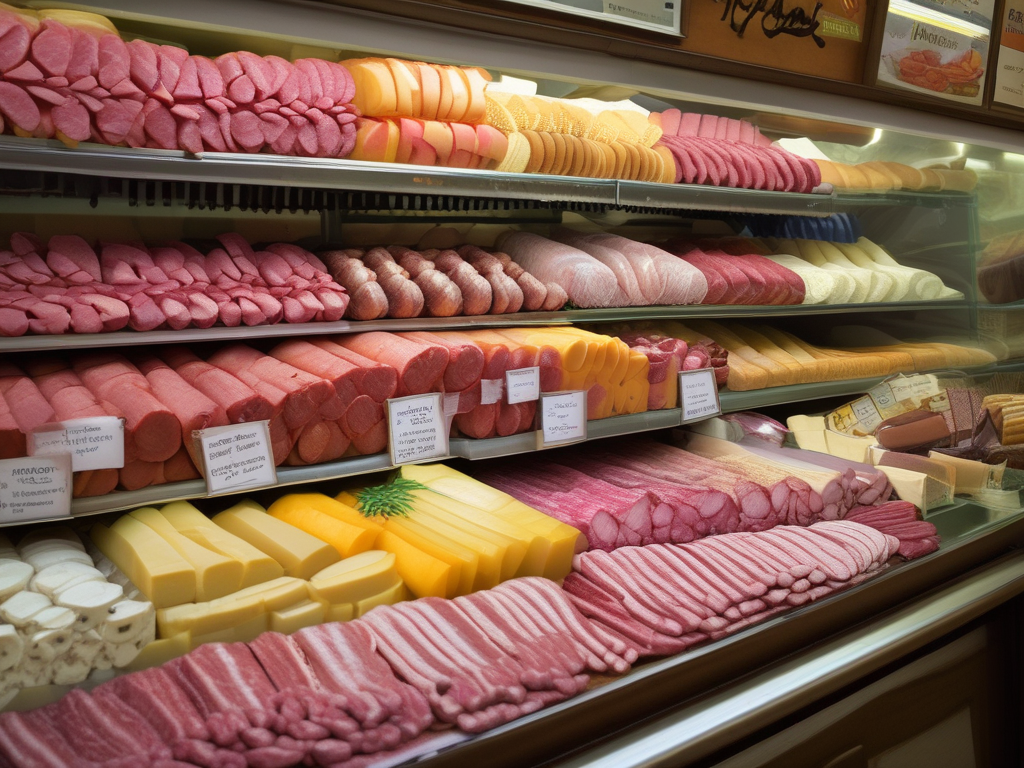
The outbreak has been traced to contaminated deli meats, prompting the U.S. Department of Agriculture (USDA) to issue a significant recall of deli meat products[1]. The recall includes approximately 200,000 pounds of Boar’s Head products due to potential listeria contamination[1][12].

Key points about the outbreak:

  1. Scope of the outbreak:
  • 34 people in 13 states have been sickened across the United States since May 29[2].
  • All 34 patients have been hospitalized, with two reported deaths (one in New Jersey and one in Illinois)[2].
  1. New York State cases:
  • 12 confirmed cases in New York State, including the one in Cayuga County[1][2].
  • Other affected counties include New York City (4 cases), Suffolk County (2 cases), Nassau County (1 case), and one each in Dutchess, Greene, Onondaga, and Oswego counties[2].
  1. Source of contamination:
  • 23 out of 24 interviewed patients reported eating meats sliced at deli counters[2].
  • An unopened Boar’s Head liverwurst product tested positive for listeria, leading to the recall[2].
  1. Preventive measures:
  • Consumers are advised to check their refrigerators and discard any recalled items[1].
  • The Cayuga County Health Department is closely monitoring the situation[1].
  • Stop & Shop temporarily closed their delis to remove recalled products and conduct deep cleaning[2].
  1. Listeria symptoms and risks:
  • Symptoms can include gastrointestinal issues, headache, muscle ache, or fever, and may appear up to two months after consuming contaminated food[2].
  • Immunocompromised individuals are at higher risk of severe complications, including meningitis and sepsis[2].

The Cayuga County Health Department urges anyone experiencing symptoms of listeria infection to seek medical attention immediately[1]. For updates and tracking of the outbreak, residents can visit the health department’s website[3].

Citations:
[1] https://www.fingerlakes1.com/2024/07/29/listeria-outbreak-linked-to-deli-meats-hits-nys-confirmed-case-in-cayuga-county/
[2] https://www.cbsnews.com/newyork/news/listeria-deli-meat-new-york/
[3] https://www.cayugacounty.us/1850/Health-Department
[4] https://www.informnny.com/news/state-news/12-listeria-cases-confirmed-in-new-york-state-one-in-cayuga-county/
[5] https://cnycentral.com/news/local/listeria-case-confirmed-in-cayuga-county-1-of-12-cases-statewide
[6] https://www.fingerlakesdailynews.com/local/cayuga/amid-county-office-building-closure-treasurers-office-temporarily-relocates
[7] https://www.cayugacounty.us/DocumentCenter/View/26609/72624-Listeria-Outbreak-and-Related-Recalls
[8] https://www.fingerlakesdailynews.com/local/cayuga/as-listeria-outbreak-hits-us-case-confirmed-in-cayuga-county
[9] https://www.youtube.com/watch?v=AZgLt3IlWOY
[10] https://cortacatoday.com/news/258852-national-listeria-outbreak-reaches-cayuga-county/
[11] https://idaho.id.networkofcare.org/ph/news-article-detail.aspx?id=154024
[12] https://www.syracuse.com/product-recalls/2024/07/recall-of-boars-head-deli-meats-announced-during-investigation-of-listeria-outbreak.html
[13] https://www.youtube.com/watch?v=0FnQCl3mQ-0
[14] https://cortacatoday.com/news/258852-get-to-know-tompkins-county-poet-laureate-janie-bibbie/
[15] https://www.informnny.com/news/state-news/12-listeria-cases-confirmed-in-new-york-state-one-in-cayuga-county/?nxsparam=6