
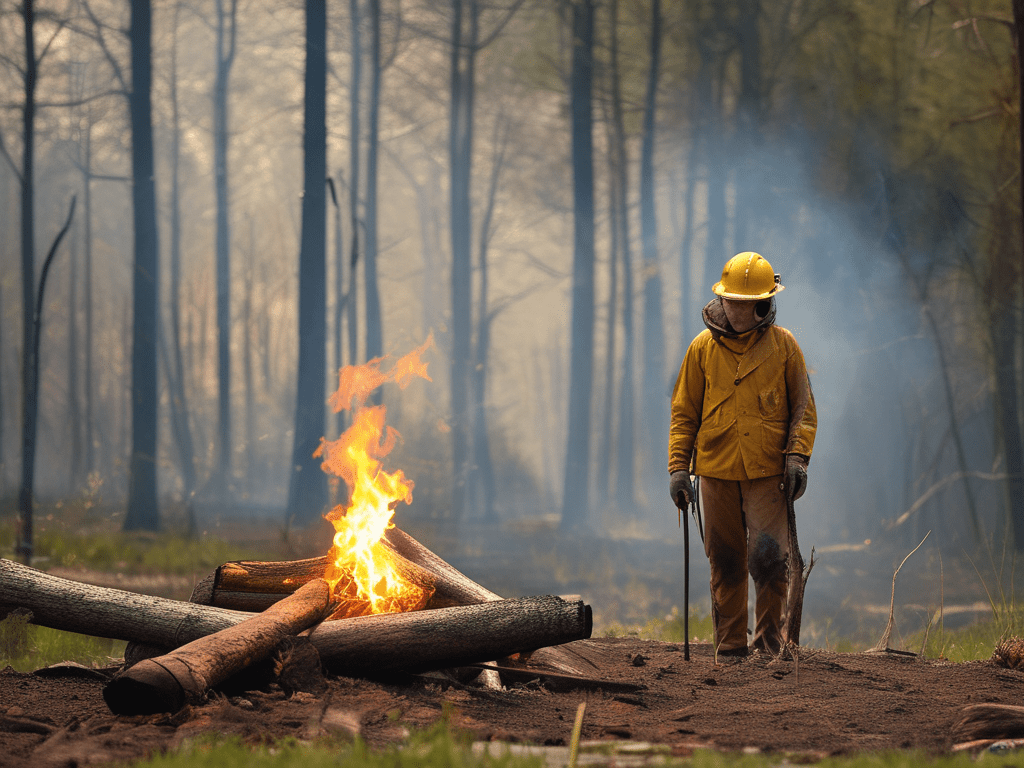
Changes in Fire Suppression in Colorado
As wildfire haze continues to affect Denver, it’s important to understand the evolving strategies in fire suppression that Colorado has adopted over the years. These changes reflect a broader shift in wildfire management, balancing ecological needs with public safety.
Historical Context
For much of the 20th century, wildfire suppression in the United States, including Colorado, was focused on extinguishing all fires as quickly as possible. This approach was driven by the fear of uncontrollable and destructive fires, such as the Great Fire of 1910. However, by the 1960s, ecological studies began to highlight the importance of fire as a natural process essential for the health of many ecosystems. This led to a gradual shift in policy from complete suppression to fire management, allowing some fires to burn under controlled conditions to promote ecological balance[4].
Modern Fire Suppression Techniques
Today, Colorado employs a variety of modern fire suppression techniques:
- Controlled Burns: Also known as prescribed burns, these are intentionally set and carefully managed fires that reduce the buildup of combustible vegetation. This method is considered one of the most effective ways to prevent larger, more destructive wildfires. However, controlled burns are often limited by strict regulations, public resistance, and erratic weather conditions, which can make them difficult to execute safely[3].
- Mechanical Thinning: This involves the physical removal of trees and other vegetation to reduce fuel loads. This method is often used in conjunction with controlled burns to manage fire risk in forests and grasslands.
- Artificial Intelligence (AI) Technology: Colorado has started integrating AI into its wildfire detection and management systems. For example, the Telluride Fire Protection District has partnered with Pano AI to use high-definition, 360-degree cameras and satellite data to detect fires early and respond more effectively[7].
Challenges and Adaptations
Despite these advancements, Colorado faces significant challenges in wildfire management:
- Regulatory Hurdles: Conducting controlled burns requires navigating a complex web of regulations and obtaining permits, which can vary across the state’s 64 counties. These regulations are designed to prevent air quality violations and ensure public safety but can also delay critical fire prevention efforts[3].
- Climate Change: Increasingly severe weather patterns, driven by climate change, have made wildfires more frequent and intense. This has necessitated more adaptive and proactive fire management strategies[3].
- Public Resistance: Past incidents, such as the Lower North Fork Fire in 2012, which resulted in fatalities and property loss, have led to public skepticism about the safety of controlled burns. This resistance can hinder efforts to implement these crucial fire management practices[3].
Current Situation in Denver
The recent haze over Denver, caused by wildfire smoke from the Pacific Northwest and Canada, underscores the ongoing wildfire risk. The smoke has significantly reduced air quality, prompting health warnings and advisories for residents to limit outdoor activities[1][2][6]. This situation highlights the importance of effective wildfire management and the need for continued innovation in fire suppression techniques.
In conclusion, Colorado’s approach to wildfire suppression has evolved significantly, incorporating controlled burns, mechanical thinning, and advanced technologies like AI. These methods aim to balance ecological health with public safety, addressing the increasing challenges posed by climate change and regulatory constraints.
Citations:
[1] https://www.cbsnews.com/colorado/news/wildfire-smoke-denver-colorado-hazy-skies-air-quality/
[2] https://www.cpr.org/2024/07/25/haze-and-wildfire-smoke-in-colorado-clearing/
[3] https://www.propublica.org/article/colorado-wildfires-controlled-burns-marshall-fire
[4] https://en.wikipedia.org/wiki/History_of_wildfire_suppression_in_the_United_States
[5] https://www.yahoo.com/news/wildfire-haze-lingers-over-denver-233825404.html
[6] https://coloradonewsline.com/briefs/wildfire-smoke-smog-denver/
[7] https://www.denverpost.com/2023/03/23/artificial-intelligence-ai-wildfire-colorado-detect/
[8] https://www.cpr.org/2024/07/22/colorado-front-range-haze-smoke-ozone-wildfires/
[9] https://www.cbsnews.com/colorado/news/wildfire-smoke-returns-colorado/
 Life's Adventure