
Simple Explanation (Beginner-Friendly)
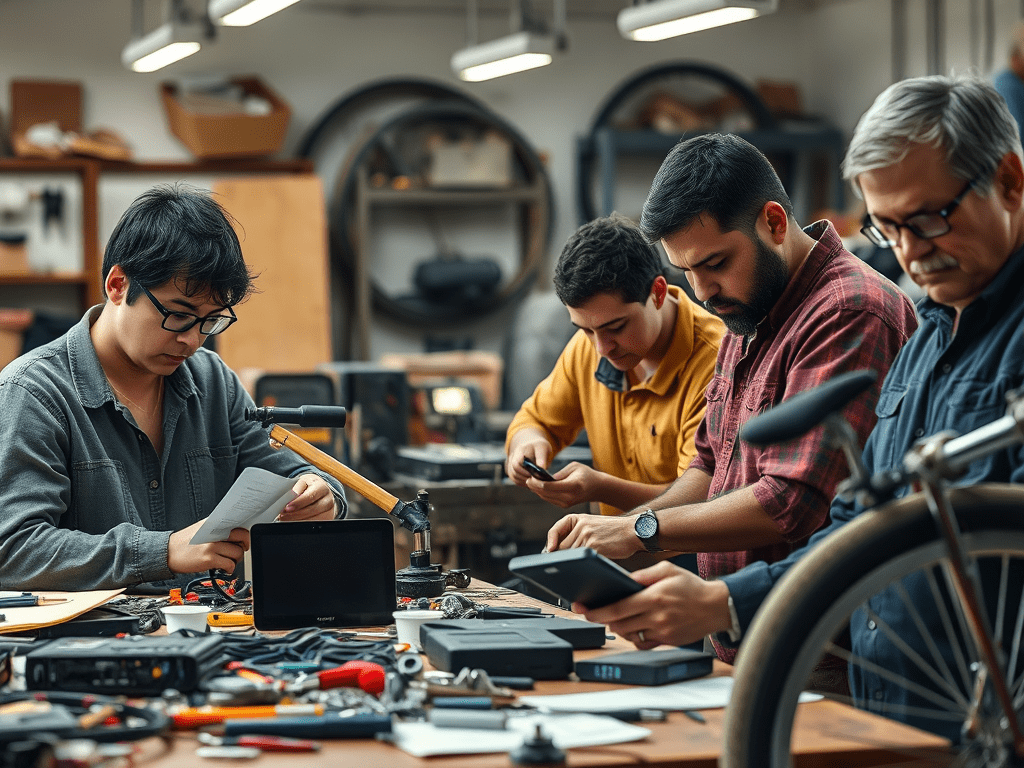
Right to Repair means you should be able to fix your own stuff—or choose who fixes it—whether it’s a phone, car, tractor, or laptop. It’s about having access to the tools, parts, manuals, and software needed for repairs.
Right now, many companies make it hard to fix their products—either by gluing them shut, locking software, or refusing to sell parts. This movement says: “That’s not fair. If I bought it, I should be allowed to fix it.”
—
In-Depth Breakdown
Key Concepts
1. Access to Parts and Manuals
Some manufacturers don’t provide parts or manuals to consumers or independent repair shops.
2. Software Locks and DRM
Devices may have digital locks that prevent unauthorized repair—like needing a special code or tool to unlock software.
3. Planned Obsolescence
Companies may design products that are hard or impossible to fix to push consumers toward buying new ones.
4. Environmental and Ethical Concerns
Making new products uses energy and creates waste. Repairing saves resources and reduces e-waste.
5. Economic Impact
Repair jobs support local businesses and consumers save money instead of constantly replacing broken items.
—
Real-World Examples
Apple iPhones: Independent shops can’t easily repair newer iPhones without Apple’s diagnostic tools, which are restricted.
John Deere Tractors: Farmers can’t fix their own tractors because of software locks. This caused major backlash and lawsuits.
Tesla Vehicles: Tesla owners often must go to Tesla service centers because third parties can’t get parts or repair data.
Medical Equipment: Hospitals struggled to fix ventilators during COVID-19 due to proprietary restrictions.
—
Common Misconceptions
Misconception Reality
“It’ll make products less safe.” Repairs can be regulated without banning them. Many devices are already safely fixed by professionals.
“It’ll hurt innovation.” Innovation can still thrive with fair repair access—companies can charge for repairs or premium services.
“People will just break their stuff.” Most consumers won’t risk DIY repairs; they’ll go to professionals if given the choice.
—
Practical Ways to Apply This Knowledge
Fix your own electronics using guides like iFixit.
Support local repair shops instead of replacing devices.
Vote for pro-repair legislation in your state or country.
Avoid products that are designed to be unrepairable—look for modular or open-hardware options.
Share knowledge and encourage others to value repair culture.
—
Resources to Learn More
Books
“Repair Revolution” by John Wackman and Elizabeth Knight
“Making Things Work: Solving Problems with Simple Machines” by Charles Marz (for beginners interested in tinkering)
Websites
https://ifixit.org – Advocacy and repair guides
https://repair.org – The Repair Association
https://righttorepair.org – News, legislation updates
Videos
Louis Rossmann YouTube Channel – Independent repair advocate
“The Right to Repair” (Vox Explains) on YouTube – Short and well-produced overview
Patagonia’s “Worn Wear” series – Shows repair culture in action
Overview: What Is the Right to Repair?
The Right to Repair refers to policies or legislation that would require manufacturers to provide consumers and independent repair shops with access to the tools, parts, diagnostics, and information necessary to repair products—ranging from smartphones and tractors to appliances and cars.
Arguments For the Right to Repair
- Consumer Autonomy and Ownership
- Core Idea: If you own a product, you should have the freedom to repair it or choose who repairs it.
- Rationale: Restricting repair options undermines ownership and forces reliance on authorized repair centers.
- Cost Savings for Consumers
- Core Idea: Repairs by third parties or individuals are often significantly cheaper.
- Evidence: Studies have shown that allowing third-party repair can reduce overall costs and extend product life.
- Environmental Sustainability
- Core Idea: Easier repairs reduce electronic waste and the demand for new products.
- Support: Advocacy groups cite the environmental impact of e-waste and the carbon footprint of manufacturing new devices.
- Encouraging Innovation and Small Business
- Core Idea: Independent repair businesses foster competition and local economic growth.
- Example: Small repair shops and startups can offer affordable and innovative services when access is not restricted.
- Consumer Safety and Longevity
- Core Idea: Timely, affordable repairs can prevent dangerous malfunctions and extend the safe use of products.
- Example: Replacing batteries or components quickly can prevent hazards or prolong product usability.
Arguments Against the Right to Repair
- Intellectual Property and Trade Secrets
- Core Idea: Sharing manuals, diagnostic software, and repair tools could expose proprietary information.
- Concern: Manufacturers argue this could erode their competitive edge or lead to unauthorized cloning or misuse.
- Product Safety and Liability
- Core Idea: Improper repairs can compromise safety and create liability issues.
- Example: A poorly repaired battery or braking system might result in accidents, for which the manufacturer could still be held liable.
- Cybersecurity Risks
- Core Idea: Allowing access to software or firmware could create vulnerabilities to hacking or tampering.
- Concern: Particularly relevant in connected devices, vehicles, or medical equipment that store or transmit sensitive data.
- Quality Assurance and Brand Reputation
- Core Idea: Manufacturers claim that unauthorized repairs can result in subpar performance and harm brand trust.
- Example: If a phone is repaired with low-quality parts and fails, the manufacturer might still be blamed.
- Regulatory and Compliance Complexities
- Core Idea: Certain sectors (like healthcare or aviation) are heavily regulated, and improper repairs could violate laws or standards.
- Concern: Uniform right-to-repair laws might not account for nuanced safety or legal requirements in these fields.
Conclusion
The Right to Repair debate involves a balance between empowering consumers and maintaining control over product integrity. Proponents focus on cost, sustainability, and consumer rights, while opponents cite safety, security, and proprietary concerns. Ongoing legislation in various regions continues to shape how this balance will be struck in different industries.

 Life's Adventure