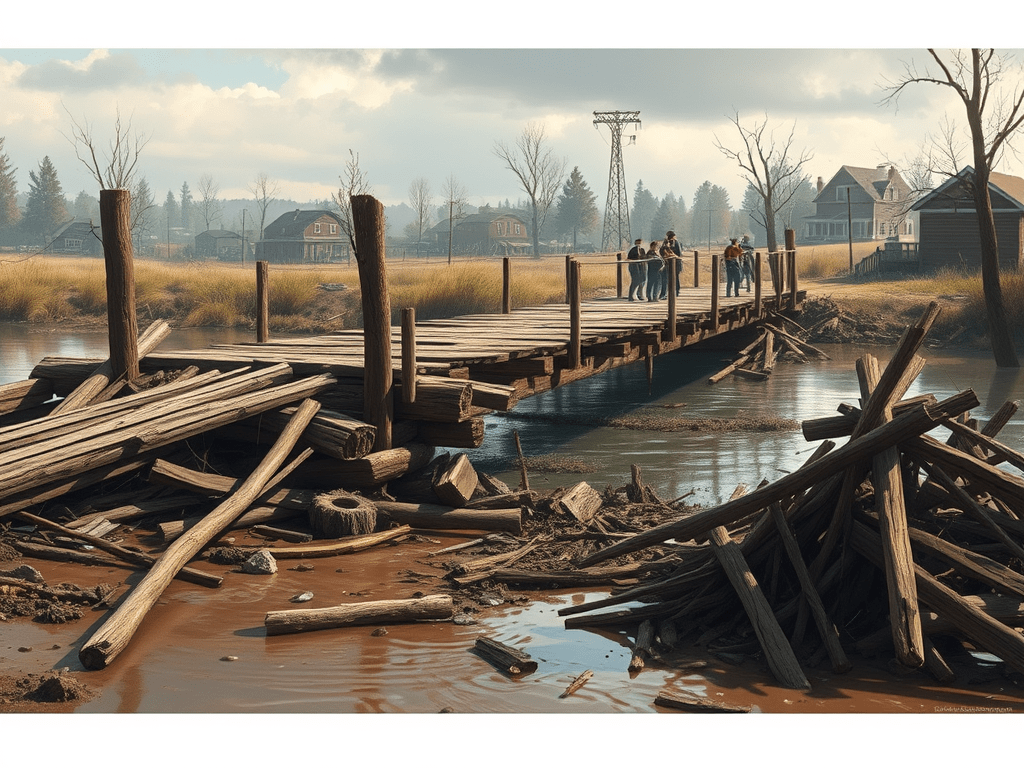
A Bridge to the Future

When the storm swept through Maple Grove, it brought more than just rain and wind—it brought devastation. Trees were uprooted, power lines downed, and the bridge that connected the town to its neighboring communities was completely destroyed.

The old wooden bridge had been more than just a way across the river; it was a lifeline. Farmers used it to transport their goods to market, children crossed it to reach their school, and friends met halfway for picnics by its banks. Without it, the town felt cut off from the world—and from each other.

Assessing the Damage

The morning after the storm, the townspeople gathered by the river. The once-sturdy bridge was now a pile of splintered wood and twisted metal, scattered like matchsticks along the muddy banks.

“What are we going to do?” asked Mr. Carter, the town’s baker. “We can’t afford to rebuild it. And even if we could, it would take months.”

The mayor, a pragmatic woman named Ellen, nodded grimly. “We’ll find a way,” she said. “This bridge isn’t just about crossing the river—it’s about who we are.”

The First Steps

The town held a meeting in the school gym that evening. Ideas were tossed around, but no one could agree on a solution. Then, a quiet voice cut through the noise.

“We could do it ourselves,” said Jonah, a retired carpenter.

The room fell silent.

Jonah stood and cleared his throat. “I know it sounds impossible. But if we work together—if everyone contributes what they can—I think we can rebuild this bridge.”

A murmur of agreement spread through the crowd.

“I can design it,” said Lisa, an architect who had moved back to Maple Grove to care for her aging parents.

“And I’ll provide the wood,” offered Mr. Langley, who owned the lumber mill on the outskirts of town.

One by one, people raised their hands, volunteering their skills, time, and resources.

Rebuilding Together

The next weekend, work began. Jonah taught a group of volunteers how to sand and shape the wood. Lisa organized the construction plan, breaking it down into manageable tasks.

Children painted signs to cheer on the workers, and Mrs. Thompson, the town’s unofficial chef, set up a food station to keep everyone fed.

At first, progress was slow. There were arguments over how to handle certain tasks and setbacks when materials ran short. But the community persisted, driven by the belief that they were building something bigger than a bridge—they were rebuilding their town’s spirit.

Overcoming Challenges

One day, heavy rains threatened to wash away the foundations they had laid. The workers scrambled to secure the site, forming a human chain to carry sandbags to the riverbank. Soaked and exhausted, they managed to save their progress.

“Nothing worth building is ever easy,” Jonah said, patting the shoulder of a teenage boy who had been ready to give up.

Those words became the team’s motto, written in chalk on the makeshift workstation and repeated whenever morale faltered.

The New Bridge

Months later, on a crisp autumn morning, the new bridge was finally complete. Made of strong timber and reinforced steel, it was sturdy and beautiful, with decorative railings carved by local artisans.

The whole town gathered for the ribbon-cutting ceremony. Jonah, Lisa, and the mayor stood at the center, scissors in hand.

“This bridge is more than a structure,” Ellen said, addressing the crowd. “It’s a symbol of what we can accomplish when we come together. It’s a bridge to our future.”

As the ribbon was cut, cheers erupted, and the first group of children ran across, their laughter echoing in the crisp air.

A Lasting Legacy

The new bridge quickly became a source of pride for Maple Grove. It brought back commerce, reconnected families, and became a destination for visitors who admired its craftsmanship and the story behind it.

More importantly, it reminded the townspeople of their resilience and the strength of their community.

Years later, a plaque was added to the bridge’s entrance. It read:

“This bridge was built by the hands and hearts of Maple Grove. May it always stand as a testament to the power of unity and hope.”

And stand it did, carrying the weight of countless stories, dreams, and journeys for generations to come.

The Lighthouse Keeper’s Gift

For fifty years, Arthur Winslow had tended the North Point Lighthouse. Perched high on the rocky cliffs, the lighthouse had stood as a beacon for sailors braving the treacherous waters of the northern coast. And Arthur, with his weathered hands and steady resolve, had been its keeper, ensuring the light never faltered, no matter how fierce the storm.

But time, like the tides, could not be stopped. At seventy-five, Arthur knew it was time to retire. The town of Windmere, nestled just below the cliffs, planned a farewell party in his honor. Arthur appreciated the gesture, but he had something far grander in mind—a parting gift for the community he cherished.

The Hidden Map

On his final morning as lighthouse keeper, Arthur climbed the spiral stairs one last time. In the small room beneath the lantern, he placed a sealed envelope on the desk. Written on it in his careful script were the words:

“To the People of Windmere—A Gift Awaits You.”

Then, he left the lighthouse, locking the heavy wooden door behind him.

At his farewell party that evening, Arthur stood before the gathered townsfolk. “This lighthouse has been my life,” he said, his voice steady but tinged with emotion. “But the real treasure of Windmere isn’t its light. It’s all of you.”

Before he could continue, a child’s voice called out, “What’s in the envelope, Mr. Winslow?”

Arthur chuckled. “That’s for you all to discover. But I’ll say this: it’s a map. And if you follow it, you’ll find something that I hope will bring this town a little hope and a lot of joy.”

Curiosity swept through the crowd. A map? A treasure hunt? The envelope was opened, revealing a hand-drawn map of Windmere and its surroundings, marked with clues and a large “X” near the cliffs.

The Hunt Begins

The next morning, nearly the entire town gathered at the starting point—a weathered oak tree in the town square. The first clue was nailed to the trunk:

“Where the gulls take flight and the waves kiss stone, your journey begins—look beneath the groan.”

“That’s the old dock!” called Mrs. Langley, the bakery owner. “The planks groan under your feet when you walk there!”

Excited chatter filled the air as the townsfolk hurried to the dock. Beneath a loose plank, they found the next clue:

“Follow the path where wildflowers grow, to the place where the wind and memories blow.”

The townspeople laughed and worked together, their imaginations ignited. Young and old joined in, from toddlers holding parents’ hands to retired fishermen who hadn’t been this lively in years. The clues took them through the meadow, past the abandoned windmill, and up the winding trail to the cliffs.

The Final Clue

At the top of the cliffs, where the lighthouse stood tall against the sky, the final clue awaited, etched into a stone at its base:

“Beneath the beacon’s gaze, where light meets earth, the treasure lies.”

Everyone fanned out, searching. It was young Ella, the same child who’d interrupted Arthur at the party, who found the spot—a small patch of disturbed earth near the lighthouse. With a little digging, they uncovered a wooden chest.

The crowd fell silent as the chest was opened, revealing its contents:

  1. A leather-bound journal filled with Arthur’s handwritten stories and sketches of the town and its people over the years.
  2. A bundle of letters addressed to various townsfolk, each containing personal notes of gratitude and encouragement.
  3. A rolled-up deed to the lighthouse, accompanied by a letter:

“Dear Windmere,
This lighthouse has guided many through storms, but it has also been a symbol of hope for this town. I leave it to you, the community, to preserve as a beacon—not just for sailors, but for all who seek light in their darkest hours. Together, you can ensure it shines for generations to come.”

Inside the chest was also a small pouch of gold coins. Arthur’s savings, enough to start a fund for the lighthouse’s upkeep.

A Legacy of Light

Tears filled many eyes as they read Arthur’s words. The treasure wasn’t gold or jewels—it was the reminder of their shared strength, history, and responsibility to one another.

Over the next months, the town rallied. They restored the lighthouse, transforming it into a museum and community center. Arthur’s journal and letters became a cherished exhibit, inspiring future generations to contribute to their town in meaningful ways.

Though Arthur moved to a quiet cottage a few miles away, he often visited the lighthouse. Every time he did, he saw a thriving community that had been brought closer by his gift. The light at North Point still shone, but so, too, did the light within the people of Windmere.

And in that, Arthur knew, his legacy would endure.

The Traveling Toy Chest

The idea for the Traveling Toy Chest began on a rainy afternoon in the Lambert family’s cluttered garage. Ten-year-old Ellie had been trying to find a place for her old dollhouse when she stumbled over a stack of forgotten board games.

“Mom,” she called, holding up a dust-covered box. “We haven’t played this in years.”

Her mom, Rachel, peered into the garage and sighed at the rows of neglected toys, books, and games. “You’re right, Ellie,” she said. “There’s a lot in here we don’t use anymore.”

That night, Ellie overheard her parents talking at the dinner table. Her dad, a social worker, mentioned how some of the kids he worked with didn’t have toys to play with at home. Ellie’s heart ached at the thought. An idea started to form in her mind.

“What if we share our toys?” she blurted out. “With kids who don’t have any?”

Her parents exchanged a surprised look, and then her dad smiled. “You know, that’s not a bad idea.”

Building the Toy Chest

The next weekend, the Lambert family began their project. They gathered all the toys, books, and games they no longer used and sorted them into piles. Ellie’s little brother, Ben, reluctantly gave up his old train set but quickly brightened when Ellie explained their plan.

Rachel designed colorful flyers that read:
“Do you have gently used toys to share? Help us create the Traveling Toy Chest to bring smiles to kids in need!”

The family spread the word at schools, libraries, and community centers. Donations poured in. Neighbors, coworkers, and even strangers dropped off bags filled with stuffed animals, action figures, puzzles, and art supplies.

The next step was finding a way to deliver the toys. Ben had an idea. “What about Grandpa’s old camper?” he asked. The camper had been sitting unused in the backyard for years. With Grandpa’s blessing, the family scrubbed, painted, and transformed it into a mobile toy library, complete with shelves, bins, and a cheerful sign on the side that read:
The Traveling Toy Chest – Bringing Joy to Kids Everywhere!

Hitting the Road

The Traveling Toy Chest made its first trip to a community center in a nearby town. As the camper pulled up, children’s faces lit up with excitement. Ellie and Ben helped the kids explore the shelves, letting them pick toys to borrow or keep.

One little boy named Jace hugged a teddy bear tightly. “I’ve never had one of these before,” he said softly. His mom wiped away tears as she thanked the Lamberts.

The family continued to visit underserved neighborhoods, schools, and shelters. Each stop brought new smiles and stories. A group of girls giggled over a set of matching bracelets. A boy with a knack for puzzles proudly completed a 500-piece challenge. Ellie even started a “toy repair” station, fixing broken doll limbs and mending stuffed animals.

Growing the Mission

Word spread about the Traveling Toy Chest. Local businesses began donating new toys, and volunteers joined the effort. A retired librarian started a storytime corner with donated books. A high school art club painted murals on the camper’s sides, turning it into a moving masterpiece.

The Traveling Toy Chest became more than a mobile library—it became a beacon of hope. Children eagerly awaited its visits, and parents expressed gratitude for the simple joy it brought their families.

One day, during a stop at a rural school, a teacher approached Rachel with an idea. “Why stop at toys? What about school supplies or sports equipment?” she suggested. The Lamberts agreed, and soon the Toy Chest expanded to include backpacks, notebooks, and even soccer balls.

A Legacy of Love

As the years passed, the Traveling Toy Chest became a cherished part of the community. Ellie and Ben, now teenagers, continued to help, but the project grew far beyond their family. Other families started their own Toy Chests in nearby towns, creating a network of kindness.

Ellie reflected on how it all began—just a few unused toys in a garage. “It’s funny,” she said one day as they packed the camper for another trip. “We thought we were just giving toys, but it feels like we’re giving something even bigger.”

Her dad nodded. “We’re giving joy,” he said. “And joy has a way of spreading.”

And so, the Traveling Toy Chest rolled on, a humble camper with a powerful mission: to remind everyone, young and old, that even the smallest acts of giving can create ripples of happiness.

Grandma’s Garden

The summer of the food shortage hit Oak Hollow harder than anyone expected. Grocery store shelves were bare, and families lined up for hours at food banks, only to leave with small bags that barely lasted a few days. The once-lively little town seemed to grow quieter with every passing week, as worry and hunger set in.

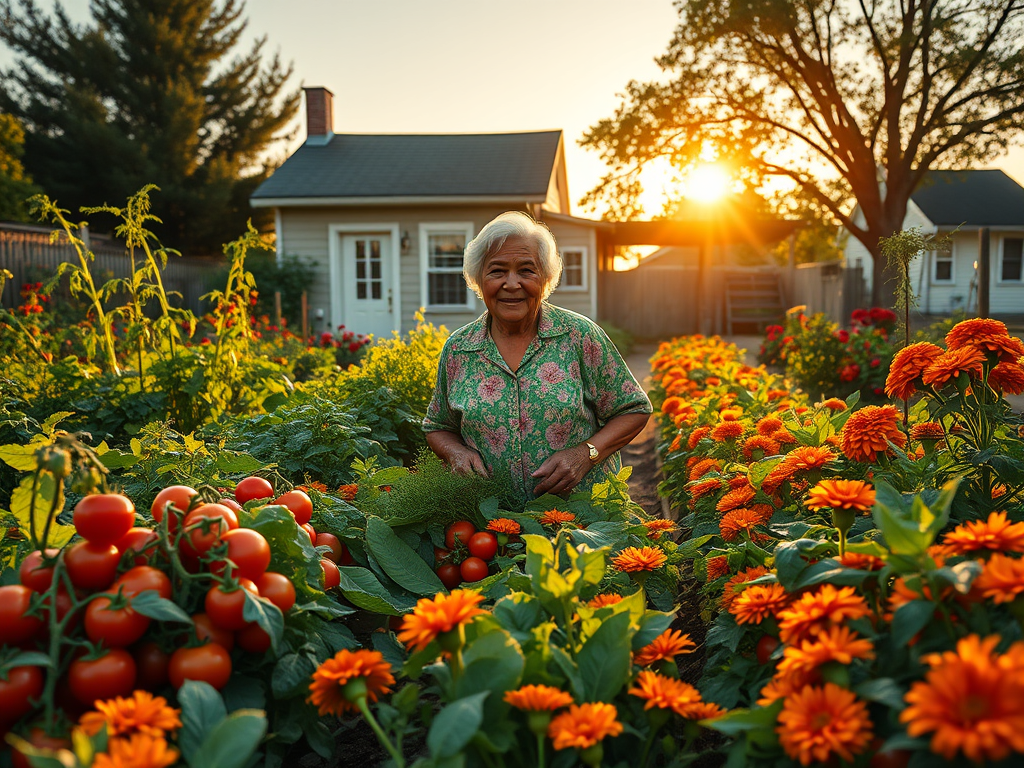
At the end of Maple Lane, there was a modest house surrounded by an expansive garden. The house belonged to Grandma Bea, a sprightly 78-year-old with a love for two things: growing vegetables and helping people. Her garden was the envy of the town—rows of tomatoes, peppers, beans, and leafy greens stretched as far as the eye could see, punctuated by bursts of vibrant marigolds.

When the food shortage began, Bea noticed the change immediately. The children playing in the streets seemed thinner, and their laughter was replaced by the sound of parents whispering about how to make ends meet.

That evening, Bea stood in her garden, the setting sun casting a golden glow over the rows of produce. She gently patted the soil around a row of carrots and made a decision. “This garden isn’t just for me anymore,” she murmured. “It’s for all of us.”

The Garden Opens

The next morning, Bea posted a handwritten sign on her front gate:
“Free Vegetables. Take What You Need.”

The first few days were slow. People were hesitant, unsure if they were allowed to just walk into her garden and take food. Bea made it easier by setting out baskets filled with freshly picked produce on her porch.

Word spread quickly. Soon, neighbors began stopping by daily, grateful for the bounty. A single mother took home zucchini and peppers to make stir-fry for her kids. An elderly man picked tomatoes for his famous sauce. Even the shy teenager next door, who rarely spoke, came by to grab a handful of beans for his family.

Bea welcomed them all with a smile and a story about her late husband, who had helped her plant the first seeds in the garden decades ago. “He always said food tastes better when it’s shared,” she’d say, handing over a bundle of kale.

A Community Effort

One afternoon, as Bea watered her cucumbers, a group of neighbors approached her. “We want to help,” said Mr. Alvarez, who lived across the street. He brought along his teenage sons, who eagerly offered to pull weeds and water plants.

Others soon joined in. A retired teacher donated packets of seeds she’d been saving. A young couple brought compost from their backyard. Someone even set up a rainwater collection system to keep the garden thriving during dry spells.

Grandma Bea’s garden became more than just a source of food—it was a gathering place. Parents brought their kids to help harvest vegetables. Neighbors swapped recipes and cooking tips. On weekends, they held potluck dinners in Bea’s backyard, sharing dishes made from the garden’s produce.

A Surprising Harvest

By late summer, the garden was flourishing beyond anyone’s expectations. Bea’s neighbors had expanded it into nearby vacant lots, growing enough to supply not just Maple Lane but other parts of Oak Hollow. People who had once been strangers were now friends, united by the shared goal of feeding their community.

One evening, as Bea sat on her porch sipping lemonade, the mayor stopped by with a small group. “Mrs. Bea,” he said, smiling warmly, “the town owes you a great deal. You’ve not only fed us but reminded us how strong we are when we come together.”

Bea chuckled, waving him off. “Oh, it wasn’t just me,” she said, gesturing to the bustling garden, where children and adults alike worked side by side. “It was all of us.”

A Lasting Impact

The food shortage eventually passed, but Grandma Bea’s garden continued to grow. It became a permanent community project, with new crops and even a small orchard added over the years. Schools brought students to learn about gardening, and the annual harvest festival became a beloved tradition.

Grandma Bea remained the heart of it all, her hands in the soil and her door always open. “A garden’s like a community,” she often said. “It takes care and love, but when it thrives, it feeds more than just bellies—it feeds souls.”

And so, the little garden at the end of Maple Lane became a symbol of resilience and generosity, proof that even in the hardest times, kindness and collaboration could bloom like the most beautiful of flowers.

Lessons from a Monk: The Path to Peace

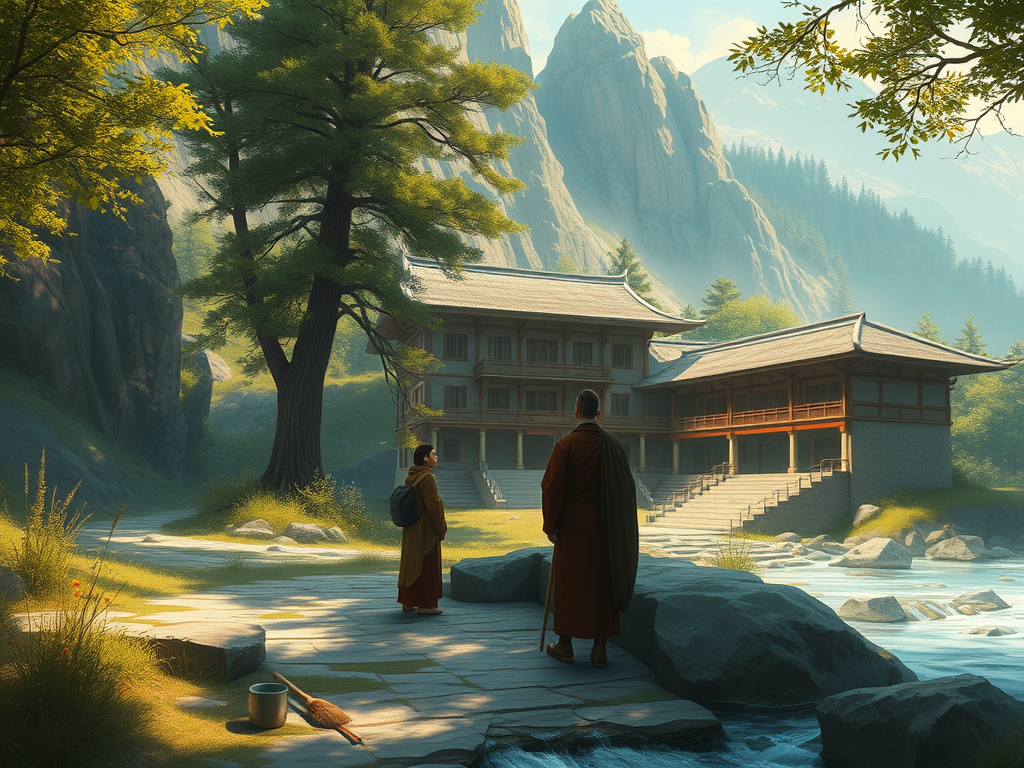
A weary traveler, known for his restless spirit, came across a monastery perched atop a serene mountain. Seeking guidance, he approached the monk who was meditating in the courtyard.

“Master,” the traveler began, “I’ve journeyed across lands, seas, and skies, yet I feel no peace. My heart is heavy, and my mind is a storm. Please, show me the way.”

The monk, with a calm demeanor, studied the traveler and replied, “Stay here for fifteen days. Do as I say, and you shall find the peace you seek.”

Reluctantly, the traveler agreed. On the first day, the monk handed him a broom and directed him to sweep the monastery grounds. “Focus on each stroke,” the monk said. “Let the broom carry your thoughts away.”

Each day, the monk gave him simple tasks: cleaning the garden, lighting lamps, fetching water, or preparing meals. The traveler found the tasks mundane, but he obeyed, all the while yearning for a grand revelation.

On the seventh day, the monk gave him a cup and asked him to fill it with water from the mountain stream. “Carry it back without spilling a drop,” he instructed.

The path was steep and uneven, but the traveler concentrated. Step by step, he brought the cup back to the monk, the water intact.

“You’ve learned focus,” the monk said with a faint smile. “But your heart still carries burdens.”

Over the next days, the monk asked the traveler to sit and observe the sunrise, the rustling leaves, and the quiet stars. The traveler began to notice things he’d overlooked before: the warmth of the sun on his face, the melody of the wind, and the vastness of the night sky.

On the fifteenth day, the monk approached him as he meditated by the stream. “Your time here is complete. Tell me, traveler, what have you learned?”

The traveler, once restless, now spoke with calm clarity. “I have learned that peace is not something to chase. It is found in the present moment, in the simplest of tasks and the quietest of places.”

The monk nodded. “Go now, and carry this lesson with you. Wherever you travel, remember: the journey to peace begins within.”

The traveler bowed deeply and descended the mountain. Though he continued to wander, his heart was no longer heavy, for he had found what he had been searching for all along.

Hovenweep National Monument: Ancient Puebloan Villages and Deserted Valley

Hovenweep National Monument: A Deserted Valley

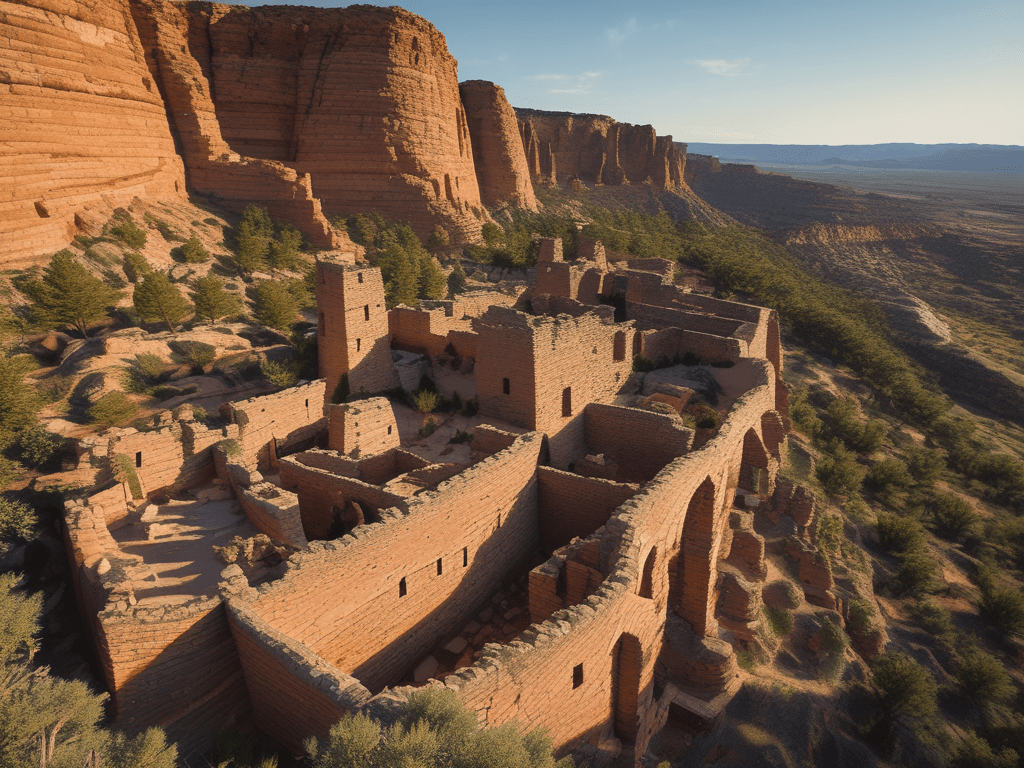
Hovenweep National Monument, straddling the Colorado-Utah border, is a significant archaeological site known for its well-preserved ancient Puebloan villages. The name “Hovenweep” is derived from a Paiute/Ute word meaning “deserted valley,” aptly describing the area’s historical and geographical context[1][2][3].

Historical Significance

Hovenweep was once home to more than 2,500 people between A.D. 900 and 1300. The site includes six prehistoric villages built by the ancestral Puebloans, a sedentary farming culture. These villages feature a variety of structures, including multistory towers, kivas (ceremonial structures), and storage granaries[2][4][5]. The towers, which are square, oval, circular, and D-shaped, are particularly notable for their intricate masonry and strategic locations on canyon rims and boulders[2][4].

Architectural Marvels

The structures at Hovenweep are remarkable for their architectural diversity and craftsmanship. The towers might have served multiple purposes, including celestial observation, defense, storage, and civic activities. The masonry work is considered some of the finest prehistoric construction in the United States, with carefully shaped stones and mortar used to fill gaps and protect against the elements[2][4].

Solitude and Natural Beauty

Hovenweep is celebrated for its solitude and undeveloped natural character, making it an ideal spot for visitors seeking tranquility and a connection with ancient history. The monument is also an International Dark Sky Park, offering stunning night skies for stargazing[3].

Visitor Information

  • Main Attractions: Square Tower Group, Little Ruin Canyon, Cutthroat Castle, Horseshoe & Hackberry, and Holly[1][4].
  • Activities: Hiking, camping, and exploring the archaeological sites. Pets are allowed on trails and in the campground but must be leashed[3][4].
  • Facilities: Visitor center, restrooms, picnic shelters, and a campground. Limited services are available, so visitors are advised to bring water, food, and other essentials[3][4].
  • Access: The monument is accessible via paved and gravel roads, with the main routes being the McElmo Canyon Route and the Pleasant View Route[2][4].

Practical Tips

  • Weather: The high desert region experiences wide temperature fluctuations. Summer temperatures can exceed 100°F (38°C), while winters can be quite cold[3].
  • Safety: Hydration is crucial, and visitors should carry ample water and protect themselves from the sun with sunscreen, hats, and light-colored clothing[3].
  • Respect the Site: Visitors are encouraged to stay on designated trails and not enter the ruins to help preserve the site’s integrity[1][3].

Hovenweep National Monument offers a unique glimpse into the lives of the ancestral Puebloans and stands as a testament to their ingenuity and resilience. Its remote location and well-preserved structures make it a fascinating destination for history enthusiasts and nature lovers alike.

Citations:
[1] https://www.utah.com/destinations/national-monuments/hovenweep-national-monument/
[2] https://mesaverdecountry.com/hovenweep-national-monument/
[3] https://cnha.org/visit/hovenweep-national-monument/
[4] https://bluffutah.org/hovenweep-national-monument/
[5] https://www.nps.gov/hove/learn/historyculture/index.htm
[6] https://www.nps.gov/hove/

Wildlife Health Alert: Unprecedented Case of ‘Staggering Disease’ in Mountain Lion

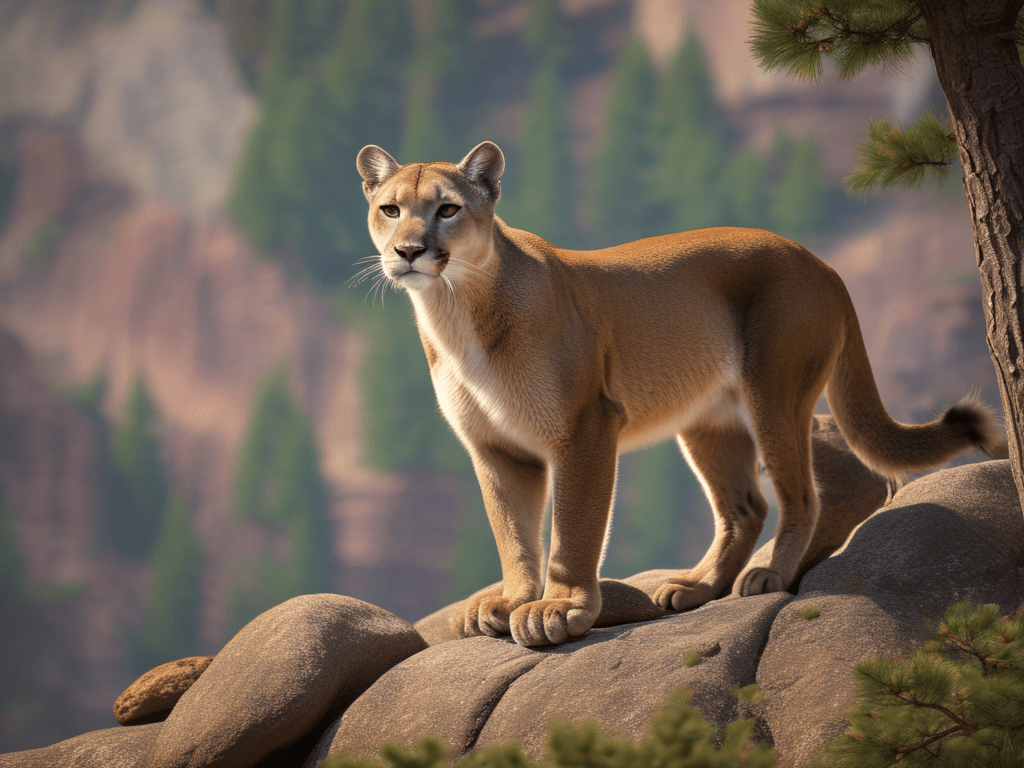
A deadly neurological condition known as “staggering disease” has been discovered in a mountain lion in Colorado, marking the first reported case of this illness in a mountain lion in North America[1][2][3][4]. This finding is significant as it represents the first time the disease has been identified in this species on the continent.

The disease, which is caused by a virus, has been commonly found in domestic animals but had not previously been observed in wild mountain lions in North America[2][5]. Colorado Parks and Wildlife confirmed this groundbreaking discovery, highlighting its importance in understanding the spread of the disease among wildlife populations[4].

“Staggering disease” is named for one of its primary symptoms, which causes affected animals to exhibit unsteady movements. The condition is often fatal, raising concerns about its potential impact on mountain lion populations and other wildlife in the region[1][4].

This discovery underscores the importance of ongoing wildlife health monitoring and research, as it reveals new information about the spread of diseases among different animal species in North America. Wildlife officials and researchers will likely continue to study this case to better understand the implications for mountain lion populations and to develop strategies for monitoring and potentially managing the disease in wild animals.

Citations:
[1] https://www.idahostatesman.com/news/article290169244.html
[2] https://www.idahostatesman.com/news/nation-world/national/article290160429.html
[3] https://www.summitdaily.com/news/colorado-mountain-lion-staggering-disease-north-america/
[4] https://kdvr.com/news/local/first-north-american-case-of-staggering-disease-found-in-colorado-mountain-lion/
[5] https://www.kentucky.com/news/nation-world/national/article290160429.html

Expats vs. Immigrants: Key Distinctions

While both terms describe individuals living outside their native country, expatriates (expats) and immigrants have key distinctions in residency status, intent, and cultural implications:

Residency Status:

  • Expats: Typically hold temporary visas, like work visas or student visas, with fixed expiry dates. Their presence is tied to their employment or study program.
  • Immigrants: Often seek permanent residency or citizenship through established legal processes. They aim to integrate and build a long-term life in the new country.

Intent:

  • Expats: Usually plan to return to their home country after their assignment or studies are completed. They maintain strong ties to their home culture and community.
  • Immigrants: Intend to make the new country their permanent home, seeking to establish roots and contribute to the local society. They may eventually seek citizenship.

Cultural Implications:

  • Expats: Often retain their home culture’s norms and customs, forming communities with other expats. They may have access to familiar amenities and support networks.
  • Immigrants: Need to adapt to the new culture, facing challenges in language, customs, and integration. They may experience discrimination or barriers due to their cultural background.

Additional Distinctions:

  • Socio-economic status: The term “expat” often carries connotations of privilege, with expats typically employed in professional roles with companies that provide support with relocation and visas. In contrast, “immigrant” encompasses a broader range of backgrounds and motivations.
  • Agency: Expat moves are often facilitated by companies or institutions, while immigrants often initiate their move independently.

Important Note: It’s crucial to acknowledge that these are generalizations and not always definitive. There’s an overlap between the two categories, and individual experiences can vary greatly. Additionally, using these terms can be subjective and carry complex social and political implications.

Remember, treating all individuals with respect and understanding is essential, regardless of their residency status or origin.

The Minoan Civilization: An Enigmatic Jewel of Ancient History

The Minoan civilization, flourishing on the island of Crete from roughly 3100 to 1100 BC, remains an enigmatic jewel in the crown of ancient history. Though much of their story is shrouded in the mists of time, archaeological discoveries continue to tantalize with glimpses into their vibrant culture, advanced technology, and mysterious beliefs.

One of the most captivating aspects of the Minoans is their artistic flair. Their vibrant frescoes, adorning the walls of their palaces, depict scenes of nature, religious ceremonies, and even playful bull leaping, a ritual sport that may have inspired the myth of the Minotaur.

These grand palaces, like the renowned Knossos with its labyrinthine corridors, stand as testaments to their architectural prowess. Far from mere royal residences, they served as bustling hubs of economic, political, and religious activity.

The Minoans were also skilled seafarers and traders, forging networks across the Aegean and beyond. Their sophisticated ships, crafted from sturdy timber, carried not just goods but also cultural influences that left their mark on neighboring civilizations.

Their enigmatic writing system, known as Linear A and Linear B, remains largely undeciphered, adding to the mystique. While Linear B has yielded clues about their administration and trade, Linear A, used earlier, continues to defy interpretation, guarding secrets of their language and religion.

Speaking of religion, the Minoans venerated a pantheon of goddesses and gods, often associated with nature and fertility. The enigmatic Snake Goddess, depicted in figurines and amulets, embodies their reverence for the natural world.

The demise of the Minoan civilization around 1100 BC is as shrouded in mystery as their lives. Theories range from volcanic eruptions to tsunamis, and even foreign invasions. Whatever the cause, their legacy endures, whispering from the ruins of their palaces and the vibrant colors of their art.

So, while the secrets of the Minoans may never be fully unraveled, their captivating story continues to inspire archaeologists, historians, and anyone with a touch of wanderlust for the ancient world. As we delve deeper into their enigmatic past, we may yet unlock further treasures, shedding new light on a civilization that dared to paint life in vibrant hues, even in the face of time’s relentless tide.

The Last Archive

Dr. Nora Ellis stepped into the ancient vault, her hazmat suit hissing as it adjusted to the sudden pressure change. This was it, the last known archive containing the collective memories of humankind. Over a century ago, a cataclysmic solar flare had fried all electronics on Earth, wiping out digital history in an instant. The scattered remains of humanity had worked desperately to gather and preserve what knowledge they could, storing fragments of the past in climate-controlled analog archives like this one.

But one by one, the archives had succumbed to entropy and neglect. Resources dwindled, governments collapsed, and entire archives were lost to time. Now, this vault, deep under the barren Utah desert, was the last that remained.

With trembling hands, Nora selected a fragile plastic data cube from a dusty shelf. She slid it into the viewer on her suit’s wrist display. A window opened, showing a smiling couple on their wedding day. Then a child’s birthday party. Graduations, vacations, holidays – all the mundane moments that made up a life.

Nora’s heart ached as she watched. So much lost, so much forgotten. Whole lifetimes condensed into these glimpses. How many billions of lives had once created the tapestry of humanity? And now all that remained were these few precious cubes, these fleeting echoes of people long turned to dust.

Nora searched the vault, hungry for more. But the vast majority of cubes were corrupted, their data rotted away. Of the small fraction still intact, most contained mere fragments rather than full archives. A birthday here, a holiday there. Never enough to piece together a full portrait of who these people were, how they lived, what they believed. How had society progressed and regressed? What discoveries had been made? What wars had been fought? What art created? What loves lost? Now there were only questions where once there had been a rich flood of knowledge and context.

As the last flickers of data played out, Nora removed her helmet and sank to her knees. Tears streamed down her face as the enormous tragedy sank in. She was witnessing the death of civilization. This vault, humanity’s last lingering memory, would soon be as silent and dead as the rest of the world. The past was gone. There would be no rebirth, no second chance.

Nora sat there for a long time, grieving for all that was lost. When at last she rose and left the vault, she made sure the door was sealed tightly shut behind her. Let the archive stand as a monument to what had been. A reminder, should any come after, of what should never be forgotten: That we were here. We lived, and loved, and dreamed. And when we faltered, the light of our world faded, flickered, and finally went out.

Moving Truck Finally Arrived

Last night the moving truck had at long last arrived. Initially, they had said they would arrive yesterday morning but ended up showing at around 10pm. When the 2 people were getting our stuff out of the trailer, it became apparent that the 3 who packed everything in the beginning weren’t too careful..

Glass kitchen items weren’t properly wrapped and luckily weren’t damaged. Along with that though, heavy boxes had been placed on light boxes which is a no no in any industry.

A bad review is definitely in order.

Still Waiting for the Truck to Arrive

Not sure what is taking the truck so long to arrive. Think they were supposed to call when they’re close or something. Just wish at this point they’d at least give an idea or an update as to where they’re at.

Sunday is my 1st day at the new store with the same schedule from the last store. It’s a bigger store than my last and with a produce section, auto section, and bit more of a selection in similar areas. Area layout is a little confusing, but I’m sure it won’t take long to get used to.